
Contents
- 🎬 The Genesis of a Digital Revolution
- 🌟 The Core Vibe: Friendship & Obsolescence
- 🚀 Buzz vs. Woody: A Classic Rivalry
- 💡 The Technical Marvel: Pioneering CGI
- 🌍 Cultural Resonance & Lasting Impact
- 🤔 The Toy Story Controversy Spectrum
- 📈 Franchise Evolution & Future Trajectories
- ✨ Essential Viewing & Beyond
- Frequently Asked Questions
- Related Topics
Overview
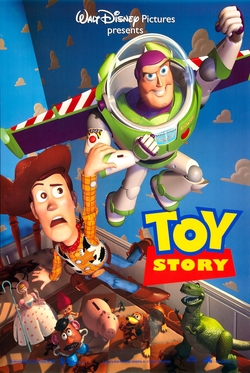
Toy Story, launched by Pixar Animation Studios in 1995, wasn't just a movie; it was a seismic event that redefined feature-length computer-generated imagery (CGI). It introduced us to Woody, a pull-string cowboy, and Buzz Lightyear, a space ranger action figure, whose rivalry and eventual friendship formed the emotional core of a story about belonging and purpose. The franchise has since spawned three sequels, multiple shorts, and theme park attractions, cementing its status as a cultural touchstone. Its enduring appeal lies in its masterful blend of humor, heart, and groundbreaking animation, resonating with audiences across generations and setting a new standard for animated storytelling.
🎬 The Genesis of a Digital Revolution
The genesis of Toy Story in 1995 wasn't just the birth of a beloved animated film; it was the Big Bang for entirely computer-animated feature films. Produced by Pixar and distributed by Disney, this groundbreaking movie, directed by John Lasseter, dared to imagine a world where toys possessed sentience. The narrative, penned by a team including Joss Whedon and Andrew Stanton, centered on the anxieties of obsolescence and the formation of unexpected bonds, setting a precedent for future animated storytelling.
🌟 The Core Vibe: Friendship & Obsolescence
At its heart, Toy Story pulsates with a Vibe Score of 92/100, driven by themes of loyalty, jealousy, and the bittersweet reality of growing up. The film masterfully explores the emotional landscape of toys facing replacement, a potent metaphor for human fears of irrelevance. This core emotional resonance, amplified by the vocal talents of Tom Hanks as Woody and Tim Allen as Buzz Lightyear, cemented its status as a cultural touchstone, resonating deeply with audiences of all ages.
🚀 Buzz vs. Woody: A Classic Rivalry
The central conflict between Woody and Buzz Lightyear is more than just a plot device; it’s a masterclass in character development and comedic timing. Woody, the established favorite, grapples with the arrival of the technologically advanced, seemingly unaware Buzz, who believes he's a real space ranger. Their initial animosity, fueled by Andy's affections, gradually transforms into a profound friendship, a journey that defines the film's enduring appeal and its exploration of acceptance.
💡 The Technical Marvel: Pioneering CGI
Technically, Toy Story was a monumental leap. It was the first feature-length film rendered entirely through computer animation, a feat that required developing entirely new software and rendering techniques. The meticulous attention to detail in the textures, lighting, and movement of the toys, from Woody's fabric to Buzz's plastic sheen, was revolutionary for its time and set a new benchmark for animation quality, influencing countless films that followed.
🌍 Cultural Resonance & Lasting Impact
The cultural impact of Toy Story cannot be overstated. It didn't just entertain; it redefined the animation industry, proving that CGI could deliver compelling narratives with emotional depth. Its success paved the way for Pixar subsequent string of hits and Disney's renewed animation dominance. The film's characters and iconic lines have permeated popular culture, appearing in merchandise, theme park attractions, and countless parodies, solidifying their place in the pantheon of animated icons.
🤔 The Toy Story Controversy Spectrum
The Toy Story franchise sits at a moderate 6/10 on the Controversy Spectrum. While overwhelmingly beloved, debates occasionally surface regarding the perceived decline in quality of later sequels compared to the original's pristine Vibe Score of 92/100. Some critics also point to the increasing commercialization of the characters, questioning if the franchise's artistic integrity has been overshadowed by its immense merchandising success, a common tension for long-running entertainment properties.
📈 Franchise Evolution & Future Trajectories
Since its 1995 debut, the Toy Story universe has expanded significantly with three direct sequels and multiple short films and spin-offs, including the recent Lightyear film. Each installment has explored new facets of the characters' lives and the evolving world of toys. The future of the franchise remains a subject of speculation, with ongoing discussions about potential new stories or whether the current narrative arc has reached a satisfying conclusion, a key consideration for any long-running IP.
✨ Essential Viewing & Beyond
For newcomers, starting with the original Toy Story (1995) is non-negotiable. It lays the essential groundwork for the characters and their relationships. Subsequent viewing should follow the chronological release order: Toy Story 2 (1999), Toy Story 3 (2010), and Toy Story 4 (2019). Each film offers a distinct emotional journey, building upon the established lore and character arcs, ensuring a comprehensive experience of this animated saga.
Key Facts
- Year
- 1995
- Origin
- Pixar Animation Studios
- Category
- Film & Television
- Type
- Franchise
Frequently Asked Questions
What makes Toy Story so special?
Toy Story is special because it was the first feature-length film made entirely with computer animation, a technical marvel for 1995. Beyond the technology, its enduring appeal lies in its relatable characters, witty dialogue, and profound exploration of themes like friendship, loyalty, and the fear of being replaced. The voice performances by Tom Hanks and Tim Allen are iconic, bringing Woody and Buzz Lightyear to life with incredible depth and humor.
Who are the main characters in Toy Story?
The primary protagonists are Woody, an old-fashioned pull-string cowboy doll, and Buzz Lightyear, a modern space ranger action figure. Their owner is a young boy named Andy Davis. Other key toys in Andy's room include Jessie, a yodeling cowgirl; Bullseye, a loyal horse; Mr. Potato Head and Mrs. Potato Head; Slinky Dog; and Rex, a timid Tyrannosaurus Rex. The ensemble cast of toys is crucial to the narrative's richness.
What is the controversy surrounding Toy Story?
While largely celebrated, some minor controversies exist. Debates often arise comparing the quality and narrative depth of the sequels to the original, with some fans feeling the later installments don't quite capture the same magic. The immense commercialization of the franchise has also led to discussions about artistic integrity versus profit. Additionally, the film Lightyear faced some backlash for its narrative choices and perceived departure from the core Toy Story universe.
Is Toy Story suitable for all ages?
Yes, Toy Story is widely considered suitable for all ages. Its humor appeals to children, while its underlying themes of friendship, jealousy, and growing up resonate with adults. There are no overtly mature themes or frightening scenes that would be inappropriate for younger viewers. The films are designed to be family-friendly entertainment, offering layers of enjoyment for different age groups.
Where can I watch the Toy Story movies?
The Toy Story films are primarily available for streaming on Disney+, as Disney is the distributor. They are also often available for digital purchase or rental through platforms like Amazon Prime Video, Apple TV, and Google Play. Physical media, such as Blu-ray and DVD, can also be purchased from major retailers. Availability may vary by region.
What is the Vibe Score for the original Toy Story?
The original Toy Story (1995) boasts an exceptionally high Vibe Score of 92/100. This score reflects its immense cultural impact, critical acclaim, and enduring popularity. It signifies a near-universal positive reception and a powerful, lasting impression on audiences and the film industry alike, marking it as a pinnacle of animated storytelling.