
Contents
- 🏛️ Overview: Oracle's Echoes
- 📍 Location & Access
- ⏰ Visiting Hours & Best Times
- 💰 Admission & Ticketing
- ⭐ What People Say (Vibe Score: 88/100)
- 🗺️ Navigating the Site
- 🍽️ Nearby Amenities & Food
- 🚗 Getting There & Parking
- 💡 Practical Tips for Your Visit
- 🆚 Alternatives & Comparisons
- 📞 Contact & Further Information
- Frequently Asked Questions
- Related Topics
Overview
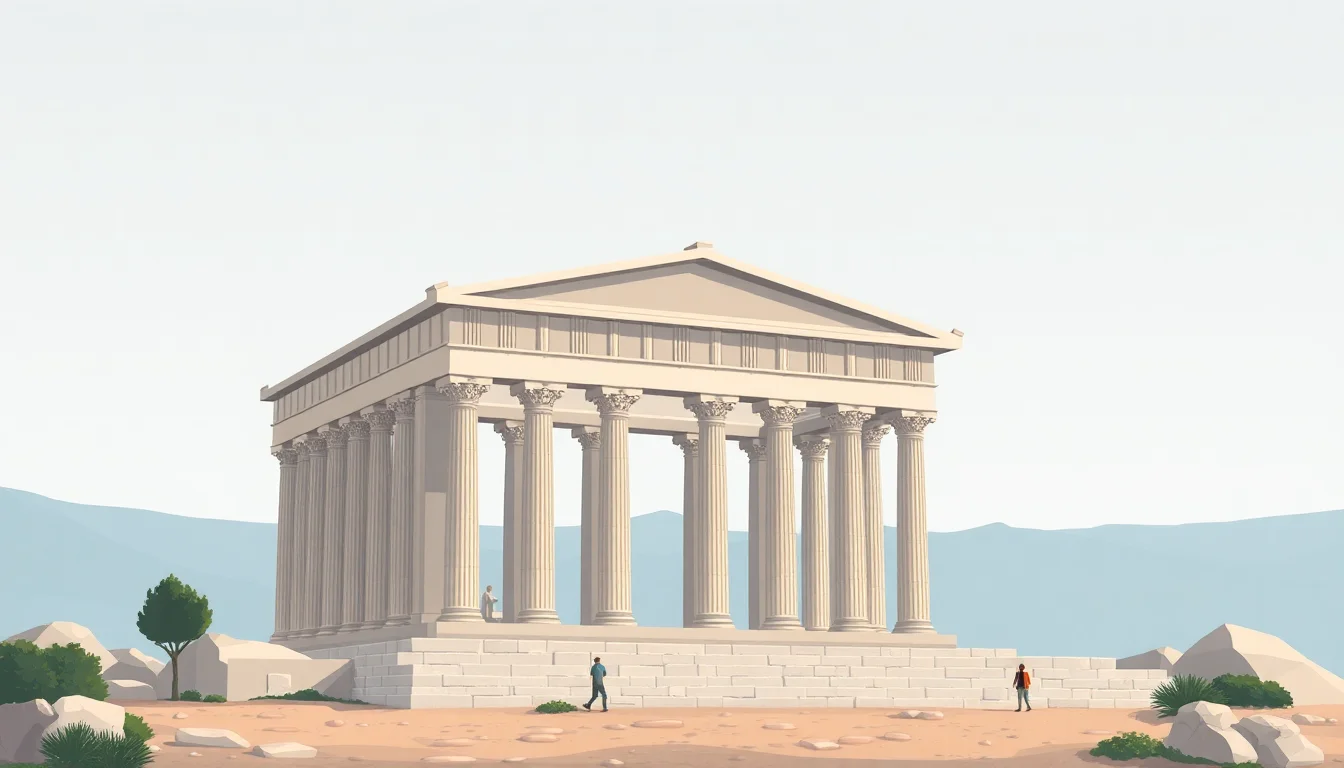
The Temple of Apollo at Delphi, perched on the slopes of Mount Parnassus, was the spiritual and political heart of the ancient Greek world for over a millennium. It housed the famed Oracle of Apollo, whose pronouncements, delivered by the Pythia, influenced decisions from individual lives to interstate conflicts. Archaeological evidence points to multiple reconstructions, with the most prominent temple dating to the 6th century BCE, funded by the Alcmaeonids. Beyond its religious significance, Delphi served as a vital panhellenic center, hosting athletic and artistic contests and fostering a sense of shared Greek identity. Its ruins remain a powerful testament to the enduring influence of ancient Greek civilization and its complex relationship with divine prophecy.
🏛️ Overview: Oracle's Echoes
The Temple of Apollo at Delphi isn't just a pile of ancient stones; it's the epicenter of a spiritual and political network that dominated the Mediterranean for over a millennium. This was the seat of the Pythia, the oracle whose pronouncements shaped the destinies of kings, cities, and even the course of wars. Visiting Delphi is less about admiring architecture and more about stepping into a charged atmosphere where myth, history, and human ambition converged. It's a pilgrimage site for anyone interested in the roots of Western thought, prophecy, and the enduring power of sacred places. Expect to feel the weight of centuries and the whispers of divine counsel.
📍 Location & Access
Perched dramatically on the southwestern slope of Mount Parnassus, the archaeological site of Delphi is located in the Phocis region of Greece, approximately 180 kilometers (112 miles) northwest of Athens. The nearest modern town is Delphi, a charming settlement with stunning views. Access to the site itself is via a well-maintained path from the main entrance. Be prepared for a significant uphill climb once inside, as the sanctuary is built in terraces. The sheer scale and the breathtaking vistas of the surrounding valleys and the Gulf of Corinth are integral to the experience, making the journey part of the destination.
⏰ Visiting Hours & Best Times
The archaeological site of Delphi is typically open daily from 8:00 AM to 8:00 PM during the summer season (April 1 to October 31) and from 8:30 AM to 3:00 PM in the winter (November 1 to March 31). It's advisable to check the official Hellenic Ministry of Culture and Sports website for the most current hours, as these can vary due to public holidays or special events. To truly absorb the atmosphere without the peak crowds, aim for an early morning visit shortly after opening or a late afternoon excursion before closing. The soft light during these times enhances the site's mystical aura.
💰 Admission & Ticketing
Admission to the archaeological site of Delphi is currently €12 for a full ticket and €6 for a reduced ticket (for EU citizens over 65, students from non-EU countries). A combined ticket, valid for two days and including the Delphi Archaeological Museum, is available for €15. Free admission is granted to certain categories, including children under 18, students from EU countries, and individuals with disabilities. Tickets can be purchased at the site's entrance or, for a more convenient experience, online in advance through the official ticketing portal. Consider the combined ticket if you plan to explore the museum thoroughly.
⭐ What People Say (Vibe Score: 88/100)
Visitors consistently rate Delphi as a top-tier historical site, often citing its profound spiritual atmosphere and stunning natural setting. The Vibe Score of 88/100 reflects its high cultural energy and widespread appeal. Reviewers frequently mention the awe-inspiring views and the palpable sense of history. While some note the physical exertion required to explore the extensive ruins, the consensus is that the experience is profoundly rewarding. The oracle's mystique, combined with the well-preserved structures, leaves a lasting impression on most who walk its ancient paths. It's a place that resonates deeply with history buffs and spiritual seekers alike.
🍽️ Nearby Amenities & Food
The modern town of Delphi offers a range of dining options, from traditional Greek tavernas to more contemporary cafes. Many establishments boast spectacular views over the olive groves and the Itea plain. For a quick bite, look for bakeries offering local pies (pites) and pastries. If you're planning a full day of exploration, packing some water and snacks is a good idea, as amenities within the archaeological site itself are limited. Consider trying local specialties like 'gougles' (a type of pasta) or fresh seafood if dining in the town.
🚗 Getting There & Parking
Delphi is accessible by car via the National Road 3 (E75) from Athens, then taking the turn-off towards Livadeia and subsequently Delphi. The drive takes approximately 2.5 to 3 hours. Several bus companies, such as KTEL Phocis, operate regular services from Athens (Liosion Bus Station) to Delphi, offering a more budget-friendly option. Parking is available near the archaeological site entrance and in the modern town, though it can be limited during peak tourist season. If arriving by bus, the station is a short walk from the site entrance.
💡 Practical Tips for Your Visit
To maximize your visit to the Temple of Apollo at Delphi, wear sturdy, comfortable walking shoes as the terrain is steep and uneven. Bring plenty of water, especially during warmer months, and consider a hat and sunscreen. Visiting early in the morning or late in the afternoon can help you avoid the midday sun and the largest tour groups. If you're interested in the mythology and history, consider hiring a licensed guide at the entrance or downloading an audio guide beforehand. Don't rush; allow yourself time to sit and absorb the incredible views and the ancient atmosphere.
🆚 Alternatives & Comparisons
While Delphi stands unparalleled in its historical significance as an oracle site, other ancient Greek sanctuaries offer different but equally compelling experiences. Olympia, the birthplace of the Olympic Games, provides a glimpse into athletic prowess and religious devotion. Delos, a sacred island in the Cyclades, was a major religious and commercial center, renowned for its ancient ruins and mythological associations with Apollo and Artemis. For those interested in monumental architecture, the Acropolis of Athens offers iconic structures like the Parthenon, though its focus is more on civic and religious grandeur than prophecy.
📞 Contact & Further Information
The official website for the Hellenic Ministry of Culture and Sports provides detailed information on opening hours, ticket prices, and site regulations: Official Delphi Site. For general travel information and booking tours, the Greek National Tourism Organization website is a valuable resource. You can also find contact details for local tourist information offices in the town of Delphi. Many tour operators in Athens offer day trips or multi-day excursions to Delphi, which can be a convenient option for those without their own transportation.
Key Facts
- Year
- Reconstructed multiple times, most prominent in 6th century BCE
- Origin
- Ancient Greece
- Category
- Ancient History & Archaeology
- Type
- Ancient Site
Frequently Asked Questions
What was the main purpose of the Temple of Apollo at Delphi?
The Temple of Apollo at Delphi was primarily known as the sanctuary of the Oracle of Delphi. It was the site where the Pythia, a priestess, would deliver prophecies and divine guidance from the god Apollo. This made Delphi a central religious and political hub for the ancient Greek world, influencing decisions from individual city-states to major empires.
Is the Temple of Apollo at Delphi still standing?
The Temple of Apollo at Delphi is not fully intact; it exists today as ruins. However, significant portions of its foundations and some of its columns have been reconstructed, allowing visitors to visualize its original grandeur. The site is a UNESCO World Heritage site, preserving its historical and archaeological integrity.
How long does it take to visit the Temple of Apollo and the Delphi site?
To properly explore the archaeological site of Delphi, including the Temple of Apollo, the theater, stadium, and treasury, you should allocate at least 2 to 3 hours. If you plan to visit the adjacent Delphi Archaeological Museum as well, add another hour. Many visitors spend half a day to a full day to fully appreciate the site and its surroundings.
What is the best way to get to Delphi from Athens?
The most common ways to get to Delphi from Athens are by car or by bus. The drive takes about 2.5 to 3 hours and offers scenic views. Alternatively, KTEL Phocis buses run regularly from Athens' Liosion Bus Station, providing a more economical option. Guided tours from Athens are also widely available and convenient for those who prefer organized travel.
What should I wear and bring to Delphi?
Comfortable walking shoes are essential due to the steep and uneven terrain. Bring plenty of water, especially during summer, along with sunscreen and a hat for sun protection. A light jacket might be useful for cooler mornings or evenings. Consider bringing a camera to capture the stunning views and ancient ruins.
Is Delphi suitable for visitors with mobility issues?
The archaeological site of Delphi is built on a steep mountainside with many steps and uneven paths, making it challenging for visitors with significant mobility issues. While some areas are more accessible, a full exploration might be difficult. The museum, however, is generally more accessible. It's advisable to contact the site administration for specific accessibility information before your visit.