
Contents
- 🌍 What Are the Southern Plains?
- 📍 Location & Access
- 💨 The Ever-Present Wind
- 💧 The Struggle for Water
- 🌾 Agriculture: The Backbone of Resilience
- 🎭 Cultural Tapestry: Indigenous Roots and Newcomers
- 🌪️ Natural Disasters: A Constant Challenge
- 💡 Innovation and Adaptation
- ⭐ What People Say About the Plains
- 🗺️ Planning Your Visit
- Frequently Asked Questions
- Related Topics
Overview
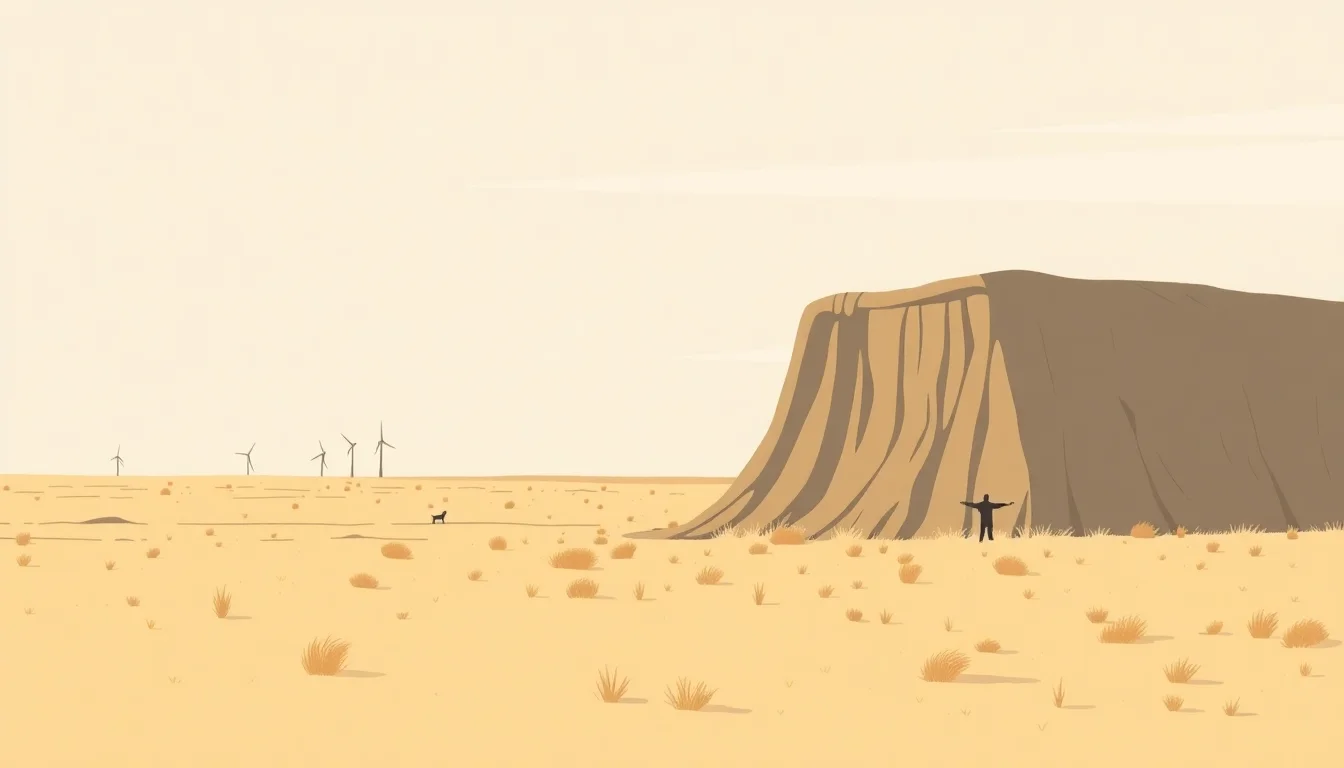
The Southern Plains, a vast expanse stretching across parts of Texas, Oklahoma, Kansas, Colorado, and New Mexico, is a region etched by extremes. Historically, it's the land of the Dust Bowl, a stark reminder of ecological vulnerability and human impact, yet it's also a cradle of resilience and adaptation. Today, it's a critical hub for energy production, particularly wind and oil, shaping its economic and environmental future. This region is not just a geographical marker; it's a cultural crossroads where Native American heritage, agricultural traditions, and the relentless pursuit of opportunity collide. Understanding the Southern Plains means grappling with its complex history, its dynamic present, and the profound questions about its future in a changing world.
🌍 What Are the Southern Plains?
The Southern Plains region, a vast expanse of relatively flat to gently rolling terrain, sprawls across the south-central United States. It's a land where the sky feels immense, and the horizon stretches endlessly. This isn't a place of dramatic mountain peaks or dense forests; its beauty lies in its subtle grandeur, its wide-open spaces, and the sheer tenacity of life that thrives here. For those seeking an authentic encounter with the American heartland, a place shaped by elemental forces and human endurance, the Southern Plains offer a profound experience. It's a region that demands respect for its power and rewards visitors with a unique perspective on resilience.
📍 Location & Access
Geographically, the Southern Plains are generally understood to encompass states like Oklahoma, Kansas, Texas (north and west), Colorado (southeast), and New Mexico (east). Major metropolitan areas include Oklahoma City, Wichita, and Amarillo. Access is primarily via interstate highways like I-35, I-40, and I-70, with regional airports in most major cities. While vast, the region is surprisingly accessible for those willing to drive and explore its smaller towns and rural landscapes. Consider flying into a hub like Dallas-Fort Worth (DFW) or Denver (DEN) and renting a car for a true road trip experience.
💨 The Ever-Present Wind
The wind is an undeniable character in the Southern Plains narrative. It's not just a weather phenomenon; it's a sculptor of the land, a source of power, and a constant companion. From the gentle breezes that rustle through wheat fields to the powerful gusts that can reshape the landscape, the wind is a defining element. Historically, it fueled windmills that brought water to the surface, and today, it powers vast wind farms that are increasingly vital to the region's energy production. The constant movement of air shapes everything from local weather patterns to the very psychology of those who live here.
💧 The Struggle for Water
Water is the lifeblood of the Southern Plains, and its scarcity is a perpetual concern. The region relies heavily on underground aquifers, most notably the Ogallala Aquifer, which stretches beneath eight states and is a critical source for agriculture and municipal use. However, this vital resource is being depleted at an alarming rate due to irrigation demands. Debates over water rights and conservation are ongoing, highlighting the delicate balance between human needs and environmental sustainability. Understanding the water challenges is key to understanding the region's resilience and its future.
🌾 Agriculture: The Backbone of Resilience
Agriculture is the economic and cultural engine of the Southern Plains. Vast tracts of land are dedicated to cultivating wheat, corn, sorghum, and cotton. Ranching, particularly cattle operations, is also a cornerstone of the regional economy. The success of these industries is inextricably linked to rainfall and the management of water resources. Farmers and ranchers here are masters of adaptation, constantly innovating to cope with drought, soil erosion, and fluctuating market prices. Their deep connection to the land is palpable, a testament to generations of hard work and perseverance.
🎭 Cultural Tapestry: Indigenous Roots and Newcomers
The Southern Plains are rich with Indigenous American history, with numerous tribes calling this land home for millennia. Their cultures, traditions, and deep understanding of the environment are foundational to the region's identity. Later waves of settlers, including European immigrants and those seeking opportunity during westward expansion, added further layers to this cultural mosaic. Today, the region is a blend of these influences, with vibrant communities celebrating their heritage while forging new identities. This dynamic interplay creates a unique cultural landscape, often overlooked but deeply significant.
🌪️ Natural Disasters: A Constant Challenge
The Southern Plains are no strangers to natural disasters. Tornadoes are a frequent and often devastating threat, particularly during the spring months, earning parts of the region the moniker "Tornado Alley." Droughts can be prolonged and severe, impacting agriculture and water supplies. Dust storms, reminiscent of the Dust Bowl era of the 1930s, can still occur, underscoring the fragility of the ecosystem. Living in this region requires a constant state of preparedness and a profound respect for the power of nature.
💡 Innovation and Adaptation
Despite the challenges, the Southern Plains are a hotbed of innovation and adaptation. From advanced irrigation techniques and drought-resistant crop development to renewable energy solutions like wind power, residents are constantly finding new ways to thrive. The spirit of self-reliance and ingenuity, forged through generations of facing adversity, is a defining characteristic. This forward-thinking approach is crucial for ensuring the long-term viability and prosperity of the region in the face of environmental and economic pressures.
⭐ What People Say About the Plains
Visitors often remark on the overwhelming sense of space and the clarity of the night sky, unpolluted by city lights. Many are surprised by the warmth and hospitality of the people, who often possess a no-nonsense pragmatism born from living close to the land. The region's quiet beauty, the subtle shifts in light and color across the plains, and the sheer resilience of its inhabitants leave a lasting impression. It's a place that challenges preconceived notions and offers a genuine glimpse into a vital part of America.
🗺️ Planning Your Visit
To truly experience the Southern Plains, embrace the journey. Rent a car and allow ample time for spontaneous detours to small towns and roadside attractions. Pack for variable weather, as conditions can change rapidly. Engage with locals at diners, community events, or agricultural centers to gain deeper insights. Consider visiting during the spring for wildflowers or the fall for harvest colors, but be aware of potential tornado activity in spring. Respect the environment and the communities you visit, and you'll find a region rich in character and enduring spirit.
Key Facts
- Year
- Ongoing
- Origin
- Geographical and cultural designation
- Category
- Geography & Culture
- Type
- Region
Frequently Asked Questions
What is the best time of year to visit the Southern Plains?
Spring (April-May) offers blooming wildflowers and milder temperatures, but it's also peak tornado season. Fall (September-October) provides pleasant weather and harvest scenery, with fewer weather extremes. Summers can be very hot and humid, while winters can be cold with occasional snow.
Are the Southern Plains safe to travel through?
The Southern Plains are generally safe for travelers. The primary natural hazard to be aware of is tornadoes, especially in spring. It's advisable to stay informed about weather forecasts and have a safety plan if traveling during tornado season. Road safety is also important due to long stretches of highway.
What are the main economic drivers of the Southern Plains?
The economy is heavily driven by agriculture, including wheat, corn, sorghum, and cotton farming, as well as large-scale cattle ranching. The energy sector, particularly oil and natural gas extraction, is also significant. Wind energy production is a growing industry.
What is the cultural significance of the wind in this region?
The wind is a fundamental force shaping the landscape, powering early windmills for water, and now driving modern wind farms. It influences local culture, influencing architecture (windbreaks), and is often seen as a symbol of the region's enduring spirit and the constant need for adaptation.
How does the water situation affect life in the Southern Plains?
The reliance on aquifers like the Ogallala, which are being depleted, creates significant challenges for agriculture and communities. Water conservation, efficient irrigation, and ongoing debates about water rights are critical issues that shape the region's present and future.
What are some must-see natural attractions in the Southern Plains?
While not known for dramatic landscapes, the vastness itself is an attraction. Consider visiting Palo Duro Canyon State Park in Texas, Tallgrass Prairie National Preserve in Kansas, or exploring the unique geological formations like Caprock Canyons State Park in Texas. The wide-open skies for stargazing are also a major draw.