
Contents
- 🏯 Introduction to the Roman Economy
- 📊 The Challenges of Studying Ancient Economies
- 🏛️ The Republican Period: A Time of Expansion
- 🚣 Trade and Commerce in the Roman Empire
- 💰 The Role of Currency and Coinage
- 📈 Economic Growth and Urbanization
- 🌟 The Impact of Imperial Power on the Economy
- 📊 The Decline of the Roman Economy
- 🤝 The Legacy of the Roman Economy
- 📚 Conclusion: Understanding the Roman Economy
- Frequently Asked Questions
- Related Topics
Overview
The Roman economy was a sophisticated system that supported a vast and powerful empire, with a GDP estimated to be around 50 billion sestertii, approximately $20 trillion in today's dollars. At its peak, Rome's economy was driven by a combination of factors, including its extensive trade networks, which stretched from Britain to Egypt, and its large-scale agricultural production, with some estates covering over 100,000 acres. However, the economy was also marked by significant inequality, with the top 1% of the population controlling around 20% of the wealth, and a significant portion of the population living in poverty. The Roman economy was also heavily influenced by its military conquests, with the spoils of war providing a significant source of revenue, and the empire's extensive infrastructure, including roads, bridges, and aqueducts, facilitating trade and commerce. Despite its many achievements, the Roman economy was not without its challenges, including inflation, corruption, and environmental degradation, with some estimates suggesting that the empire's deforestation and soil erosion may have reduced agricultural productivity by up to 30%. As the Roman Empire continues to fascinate and inspire people around the world, its economy remains a rich and complex topic of study, with many lessons to offer for modern policymakers and economists, particularly in regards to the importance of sustainable economic growth and the need for effective governance and regulation.
🏯 Introduction to the Roman Economy
The Roman economy was a complex system that played a crucial role in the development and expansion of the Roman Empire. To understand the Roman economy, it is essential to study the Roman Republic and the Roman Empire periods. The Roman economy was characterized by a mix of agricultural production, trade and commerce, and manufacturing activities. The economy was also heavily influenced by the Roman political system and the Roman military. Despite the lack of surviving records, researchers have been able to form conjectures about the Roman economy based on archeological and literary sources.
📊 The Challenges of Studying Ancient Economies
Studying the Roman economy is a challenging task due to the limited availability of primary sources. Unlike modern economies, there are no surviving records of business and government accounts, such as detailed reports of tax revenues. However, researchers have been able to use archeological evidence and literary sources to form a picture of the Roman economy. By comparing the Roman economy to other pre-industrial economies, researchers have been able to make educated guesses about the structure and function of the Roman economy. For example, the study of medieval economies has provided valuable insights into the workings of the Roman economy. The Byzantine economy also provides a useful comparison.
🏛️ The Republican Period: A Time of Expansion
The Roman Republic period was a time of significant expansion for the Roman economy. During this period, the Romans developed a complex system of trade and commerce that stretched across the Mediterranean region. The Romans also developed a strong agricultural sector, which provided the basis for the economy. The Roman army played a crucial role in the expansion of the Roman economy, as it provided a means of protecting trade routes and conquering new territories. The Roman law also played a significant role in shaping the Roman economy, as it provided a framework for commerce and trade. The Roman government also invested heavily in infrastructure, such as roads and bridges, which facilitated trade and commerce.
🚣 Trade and Commerce in the Roman Empire
Trade and commerce were essential components of the Roman economy. The Romans developed a complex system of trade routes that stretched across the Mediterranean region. The Romans traded a wide range of goods, including grain, wine, and olive oil. The Romans also developed a strong manufacturing sector, which produced goods such as textiles and pottery. The Roman navy played a crucial role in protecting trade routes and facilitating the transportation of goods. The Roman merchant class also played a significant role in the Roman economy, as they were responsible for facilitating trade and commerce. The Roman market was also an important institution, as it provided a place for buyers and sellers to meet and exchange goods.
💰 The Role of Currency and Coinage
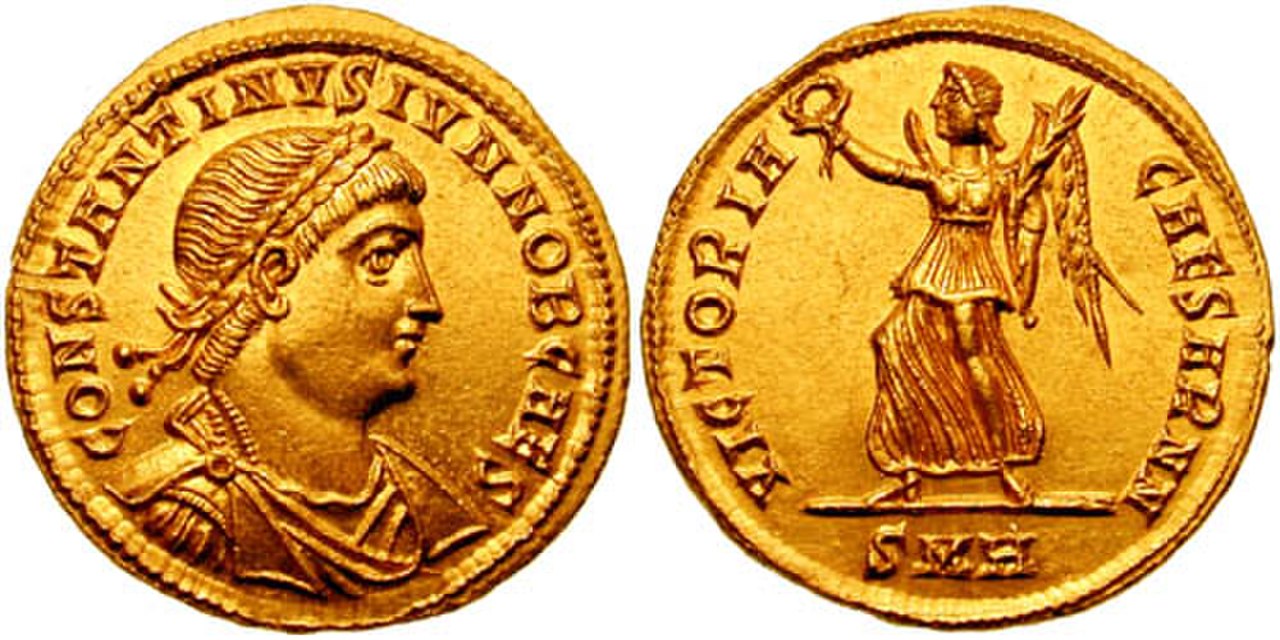
The role of currency and coinage was also crucial in the Roman economy. The Romans developed a system of coinage that was based on the denarius, which was the standard unit of currency. The Romans also developed a system of banking, which provided a means of storing and transferring wealth. The Roman treasury also played a significant role in the Roman economy, as it was responsible for managing the state's finances. The Roman taxation system was also an important institution, as it provided a means of raising revenue for the state. The Roman budget was also an important tool, as it provided a means of allocating resources and prioritizing spending.
📈 Economic Growth and Urbanization
The Roman economy experienced significant economic growth and urbanization during the Imperial period. The Roman Empire was characterized by a high degree of urbanization, with many large cities such as Rome and Alexandria. The Roman economy was also characterized by a high degree of specialization, with different regions specializing in different industries. The Roman industry was also an important sector, as it produced goods such as textiles and metals. The Roman services sector was also an important part of the economy, as it provided services such as education and healthcare. The Roman tourism industry was also an important sector, as it provided a means of generating revenue for the state.
🌟 The Impact of Imperial Power on the Economy
The impact of imperial power on the Roman economy was significant. The Roman Empire was characterized by a high degree of centralization, with the Emperor holding significant power and influence over the economy. The Roman Empire was also characterized by a high degree of bureaucracy, with a large and complex system of government. The Roman administration played a crucial role in the Roman economy, as it was responsible for managing the state's finances and allocating resources. The Roman law also played a significant role in shaping the Roman economy, as it provided a framework for commerce and trade. The Roman institutions such as the Roman Senate and the Roman Assembly also played a significant role in the Roman economy.
📊 The Decline of the Roman Economy
The decline of the Roman economy was a gradual process that occurred over several centuries. The Roman economy was affected by a range of factors, including inflation, corruption, and external pressures. The decline of the Roman economy was also characterized by a decline in trade and commerce, as well as a decline in agricultural production. The decline of the Roman industry was also an important factor, as it led to a decline in the production of goods. The decline of the Roman services sector was also an important factor, as it led to a decline in the provision of services. The decline of the Roman tourism industry was also an important factor, as it led to a decline in revenue for the state.
🤝 The Legacy of the Roman Economy
The legacy of the Roman economy is still felt today. The Roman economy played a significant role in shaping the modern global economy. The Roman economy was characterized by a high degree of globalization, with trade and commerce stretching across the Mediterranean region. The Roman economy was also characterized by a high degree of innovation, with the development of new technologies and industries. The Roman innovation in areas such as engineering and architecture was also an important factor, as it led to the development of new infrastructure and buildings. The Roman culture also played a significant role in shaping the modern Western culture. The Roman law also played a significant role in shaping the modern legal system.
📚 Conclusion: Understanding the Roman Economy
In conclusion, the Roman economy was a complex system that played a crucial role in the development and expansion of the Roman Empire. The Roman economy was characterized by a mix of agricultural production, trade and commerce, and manufacturing activities. The economy was also heavily influenced by the Roman political system and the Roman military. Despite the lack of surviving records, researchers have been able to form conjectures about the Roman economy based on archeological and literary sources. The study of the Roman economy provides valuable insights into the workings of pre-industrial economies and the development of the modern global economy.
Key Facts
- Year
- 27
- Origin
- Rome, Italy
- Category
- History
- Type
- Historical Empire
Frequently Asked Questions
What were the main characteristics of the Roman economy?
The Roman economy was characterized by a mix of agricultural production, trade and commerce, and manufacturing activities. The economy was also heavily influenced by the Roman political system and the Roman military. The Roman economy was also characterized by a high degree of urbanization and specialization.
What were the main factors that contributed to the decline of the Roman economy?
The decline of the Roman economy was a gradual process that occurred over several centuries. The Roman economy was affected by a range of factors, including inflation, corruption, and external pressures. The decline of the Roman economy was also characterized by a decline in trade and commerce, as well as a decline in agricultural production.
What is the legacy of the Roman economy?
The legacy of the Roman economy is still felt today. The Roman economy played a significant role in shaping the modern global economy. The Roman economy was characterized by a high degree of globalization, with trade and commerce stretching across the Mediterranean region. The Roman economy was also characterized by a high degree of innovation, with the development of new technologies and industries.
How did the Roman economy influence the development of the modern global economy?
The Roman economy played a significant role in shaping the modern global economy. The Roman economy was characterized by a high degree of globalization, with trade and commerce stretching across the Mediterranean region. The Roman economy was also characterized by a high degree of innovation, with the development of new technologies and industries. The Roman economy also influenced the development of the modern legal system and the Western culture.
What are the main sources of information about the Roman economy?
The main sources of information about the Roman economy are archeological and literary sources. These sources provide valuable insights into the workings of the Roman economy and the development of the Roman Empire. The study of the Roman economy is also based on comparisons with other pre-industrial economies, such as the medieval economies and the Byzantine economy.
How did the Roman economy compare to other ancient economies?
The Roman economy was one of the most advanced and complex economies of the ancient world. The Roman economy was characterized by a high degree of urbanization and specialization, with a strong agricultural sector and a developed system of trade and commerce. The Roman economy was also influenced by the Roman political system and the Roman military. The Roman economy was similar to other ancient economies, such as the Ancient Greek economy, but it was also unique in its own way.
What were the main industries in the Roman economy?
The main industries in the Roman economy were agriculture, manufacturing, and trade and commerce. The Roman economy was also characterized by a strong services sector, with a developed system of education and healthcare. The Roman economy was also influenced by the Roman tourism industry, which provided a means of generating revenue for the state.