
Contents
- 🎨 What Exactly is a Pop Artist?
- 🚀 Origins: From Post-War Britain to Global Phenomenon
- 🌟 Key Figures: The Icons Who Defined Pop Art
- 🖼️ Techniques: Beyond the Brushstroke
- 💡 The Vibe: Energy, Irony, and Mass Culture
- 🤔 Controversy & Critique: Is It Really Art?
- 📈 Pop Art's Lasting Influence: Beyond the Canvas
- 📍 Where to Experience Pop Art Today
- Frequently Asked Questions
- Related Topics
Overview
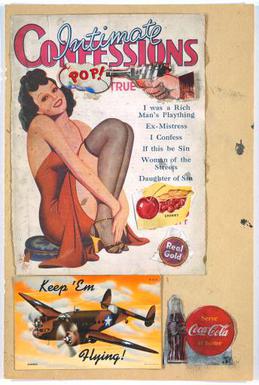
A Pop Artist is an individual who creates art inspired by, and often directly incorporating, elements of popular culture. Think advertising slogans, comic book panels, celebrity portraits, and everyday consumer products. This movement, which exploded in the mid-20th century, deliberately challenged the established norms of fine art by embracing the imagery and aesthetics of mass media. The goal wasn't just to replicate popular culture, but to interrogate it, often with a wink and a nod, blurring the lines between what was considered 'high art' and 'low culture.' The result is art that is both accessible and thought-provoking, reflecting the visual language of its time.
🚀 Origins: From Post-War Britain to Global Phenomenon
The seeds of Pop Art were sown in post-war Britain in the mid-1950s, with figures like the Independent Group at the forefront. However, it truly found its explosive voice in the United States during the late 1950s and early 1960s. This era saw a surge in consumerism and mass media, providing fertile ground for artists to engage with this new cultural landscape. The movement was a direct reaction against the prevailing abstract expressionism, offering a more grounded, relatable, and often more vibrant artistic statement that resonated with a wider audience. It quickly became a global phenomenon, influencing art scenes worldwide.
🌟 Key Figures: The Icons Who Defined Pop Art
Several titans stand out in the Pop Art pantheon. Andy Warhol, perhaps the most recognizable name, masterfully employed screen printing to create iconic images of Marilyn Monroe and Campbell's Soup Cans, exploring themes of celebrity, consumerism, and mass production. Roy Lichtenstein is renowned for his comic-strip-inspired works, meticulously replicating the Ben-Day dots and bold lines of comic panels. Claes Oldenburg brought everyday objects to monumental scale, transforming mundane items into playful, oversized sculptures. These artists, among others, didn't just create art; they created cultural touchstones that continue to define the movement.
🖼️ Techniques: Beyond the Brushstroke
The techniques employed by Pop Artists were as diverse as their subject matter. Mechanical reproduction was a hallmark, with Andy Warhol's use of screen printing allowing for the mass production of his iconic images, mirroring the very consumer goods he depicted. Roy Lichtenstein painstakingly recreated the look of commercial printing techniques, while Jasper Johns explored everyday objects like flags and targets with a painterly intensity. Artists also experimented with collage, assemblage, and even performance, all in service of engaging with and commenting on the visual overload of modern life. The emphasis was often on the process and the conceptual underpinnings as much as the final aesthetic.
💡 The Vibe: Energy, Irony, and Mass Culture
The Vibe Score for Pop Art is undeniably high, often registering in the 80s and 90s for its sheer cultural energy and immediate impact. It’s characterized by a potent blend of irony, humor, and a genuine fascination with the ephemera of modern life. Artists often adopted a detached, almost journalistic approach, presenting their subjects without overt judgment, allowing the inherent qualities of mass culture to speak for themselves. This coolness, combined with bold colors and familiar imagery, created an art form that was both engaging and, at times, disarmingly straightforward, reflecting the pulse of a rapidly changing society.
🤔 Controversy & Critique: Is It Really Art?
Pop Art wasn't without its detractors. Critics often debated whether its embrace of commercial imagery and mechanical reproduction constituted 'real' art or merely a sophisticated form of commercialism. The Controversy Spectrum for Pop Art leans towards 'Moderately Contested,' with ongoing discussions about artistic intent versus superficial appropriation. Some argued that by elevating mass-produced items, artists were simply celebrating consumer culture without critical distance. Others countered that the irony and detachment inherent in the work provided a necessary critique, forcing viewers to confront their own relationship with media and consumption. This tension remains a vital part of its legacy.
📈 Pop Art's Lasting Influence: Beyond the Canvas
The influence of Pop Art extends far beyond the galleries and museums where it originated. Its aesthetic has permeated graphic design, fashion, advertising, and even music. The bold colors, graphic sensibilities, and willingness to borrow from popular culture are evident in countless contemporary creative fields. Artists today continue to draw inspiration from the Pop Art playbook, adapting its strategies to comment on new forms of media, digital culture, and global consumerism. The movement's legacy is a testament to its ability to capture and reflect the zeitgeist, proving that art can indeed be found in the most unexpected places.
📍 Where to Experience Pop Art Today
Experiencing Pop Art firsthand is essential to grasping its impact. Major institutions worldwide house significant collections. The Museum of Modern Art (MoMA) in New York boasts an impressive array of Warhol and Lichtenstein works. London's Tate Modern offers a strong European perspective on the movement. For those seeking contemporary echoes, galleries in art hubs like SoHo, New York or Shoreditch, London often feature artists working in a Pop-influenced vein. Many cities also host temporary exhibitions, so checking local museum and gallery listings is always recommended for the latest Pop Art showcases.
Key Facts
- Year
- Circa 1950s (modern iteration)
- Origin
- United States
- Category
- Culture & Entertainment
- Type
- Cultural Archetype
Frequently Asked Questions
What is the main difference between Pop Art and other art movements?
The primary distinction lies in its subject matter and aesthetic. Unlike movements that focused on abstract ideas, historical narratives, or personal emotion, Pop Art directly engaged with imagery from mass media, advertising, and everyday consumer goods. It embraced the visual language of popular culture, often using bold colors and mechanical reproduction techniques, which contrasted sharply with the more traditional or introspective approaches of earlier art forms.
Who are considered the most important Pop Artists?
While many artists contributed, Andy Warhol, Roy Lichtenstein, Claes Oldenburg, James Rosenquist, and Tom Wesselmann are consistently cited as the most influential figures. Warhol's iconic celebrity portraits and soup cans, Lichtenstein's comic book panels, and Oldenburg's monumental sculptures of everyday objects are cornerstones of the movement. Their distinct styles and thematic explorations defined the core tenets of Pop Art.
Was Pop Art always popular when it first emerged?
Not entirely. While it resonated with a public increasingly immersed in mass culture, the art establishment was initially divided. Some critics viewed it as too commercial or lacking in artistic depth, while others recognized its innovative engagement with contemporary life. Its accessibility, however, contributed to its widespread appeal and eventual acceptance as a major art movement.
Can Pop Art be considered a form of social commentary?
Absolutely. While often characterized by its vibrant and seemingly straightforward imagery, Pop Art frequently served as a form of social commentary. By isolating and re-contextualizing elements of mass culture, artists invited viewers to question their relationship with consumerism, celebrity, media saturation, and the blurring lines between reality and manufactured image. The irony and detachment in many Pop Art pieces often masked a deeper critique.
What is the 'Vibe Score' of Pop Art?
Based on its cultural energy, immediate impact, and widespread recognition, Pop Art typically scores very high on the Vibepedia Vibe Score, often in the 80-95 range. This reflects its ability to capture the zeitgeist of its era, its enduring appeal, and its significant influence on subsequent artistic and cultural trends. Its bold aesthetics and relatable subject matter contribute to its consistently high Vibe Score.