
Contents
Overview
The concept of surgically intervening for appendicitis, and thus performing an appendectomy, emerged gradually. Early attempts at abdominal surgery were fraught with peril, but by the late 19th century, understanding of abdominal anatomy and infection control improved. Dr. Charles McBurney described his eponymous incision in 1894, a landmark in localized abdominal access that facilitated safer appendectomies. Prior to this, diagnoses were often uncertain, and surgical outcomes were poor. The development of anesthesia and antisepsis by figures like Joseph Lister in the mid-19th century provided the foundational tools for such procedures to become viable. By the early 20th century, appendectomy had become one of the most common emergency surgical procedures worldwide, solidifying its place in medical practice.
⚙️ How It Works
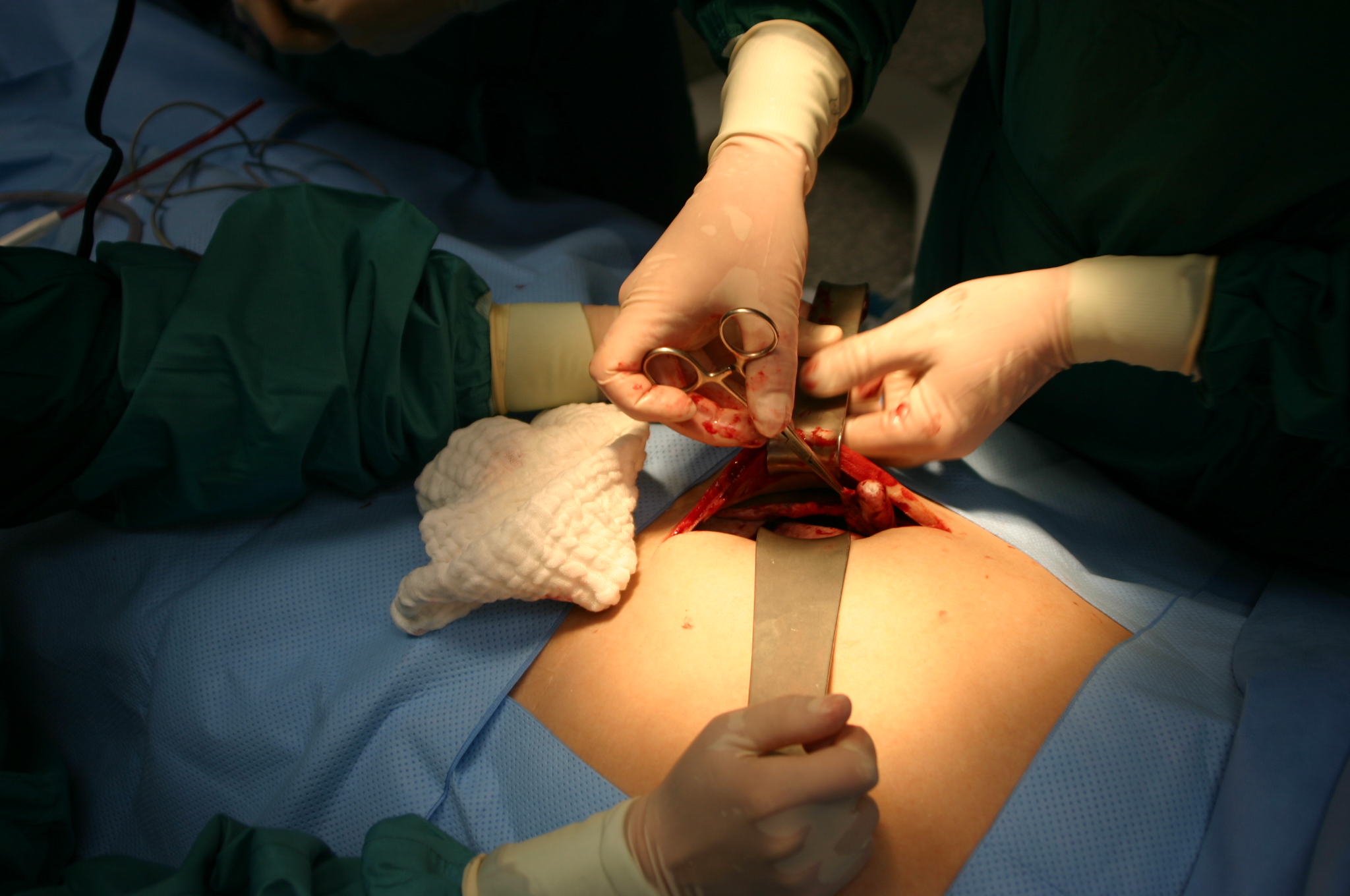
An appendectomy involves the precise removal of the vermiform appendix. In a laparoscopic appendectomy, surgeons make several small incisions (typically 0.5-1 cm) through which they insert a laparoscope (a thin tube with a camera) and specialized surgical instruments. The abdominal cavity is inflated with carbon dioxide gas to create a working space, allowing the surgeon to view the appendix on a monitor. The appendix is then carefully dissected from its surrounding tissues and blood supply, and the base is ligated or stapled. The removed appendix is typically placed in a specimen bag and extracted through one of the incisions. In an open appendectomy, a single, larger incision (often a McBurney incision or a lower midline laparotomy) is made to directly access and remove the appendix. This method is often preferred for complicated cases, such as a ruptured appendix with widespread infection or abscess formation, where direct visualization and manual manipulation are paramount.
📊 Key Facts & Numbers
Globally, an estimated 7-8% of the population will experience appendicitis in their lifetime, necessitating an appendectomy. In the United States alone, over 300,000 appendectomies are performed annually, with approximately 250,000 of these for acute appendicitis. The laparoscopic approach now accounts for over 90% of appendectomies performed in many Western countries, a significant shift from the early 2000s when open surgery was more common. The mortality rate for uncomplicated appendectomy is very low, often cited as less than 0.1%, but rises significantly with perforation and peritonitis, potentially reaching 3-5%. The average hospital stay for a laparoscopic appendectomy is typically 1-2 days, compared to 2-3 days for an open procedure.
👥 Key People & Organizations
Key figures in the history of appendectomy include Charles McBurney, whose incision became a standard for accessing the appendix. Henry William Allingham, one of the longest-lived men in history, reportedly survived an appendectomy in his 80s, highlighting the procedure's longevity. Major surgical societies like the American College of Surgeons and the Royal College of Surgeons of England have played crucial roles in standardizing training and best practices for appendectomy. Modern advancements in surgical instrumentation and imaging, such as da Vinci Surgical Systems, have further refined laparoscopic techniques, though they are not universally adopted for appendectomies due to cost-effectiveness considerations for this relatively common procedure.
🌍 Cultural Impact & Influence
The appendectomy has become a cultural touchstone, often depicted in media as a sudden, urgent medical event that interrupts normal life, as seen in numerous medical dramas and sitcoms. It's frequently the first major surgical experience for many individuals, marking a transition into adulthood or a stark reminder of bodily vulnerability. The procedure's commonality has also led to a degree of desensitization; while a significant medical intervention, it's often discussed with a casualness that belies its surgical nature. The widespread availability of appendectomy in developed nations has contributed to a lower mortality rate from appendicitis compared to historical periods or regions with limited healthcare access. The scar left by the surgery, particularly from open procedures, can become a personal marker of survival and resilience.
⚡ Current State & Latest Developments
The current landscape of appendectomy is dominated by minimally invasive techniques. Research continues to refine these approaches, focusing on reducing operative time, minimizing complications, and optimizing pain management. The use of artificial intelligence in diagnosing appendicitis from imaging (like CT scans) is also advancing, potentially leading to earlier and more accurate diagnoses, thus improving outcomes for appendectomy patients. Furthermore, studies are exploring the long-term impact of appendectomy on the gut microbiome and immune function, with some research suggesting potential links to conditions like inflammatory bowel disease and Parkinson's disease, though these connections remain subjects of ongoing investigation and debate. The push for ambulatory (same-day discharge) appendectomies is also gaining momentum for select, uncomplicated cases.
🤔 Controversies & Debates
A significant debate surrounds the necessity of removing the appendix in all cases of suspected appendicitis. While acute appendicitis is a clear indication, some research questions whether all 'early' or 'uncomplicated' cases require immediate surgical intervention, suggesting that conservative management with antibiotics might be a viable alternative for a subset of patients. This approach, however, carries the risk of treatment failure and delayed surgery. Another area of contention is the long-term health implications of appendectomy. While generally considered safe, some epidemiological studies have suggested a potential increased risk of certain chronic conditions, such as ulcerative colitis and Crohn's disease, in individuals who have undergone the procedure, though causality is not definitively established and is heavily debated within the medical community. The cost-effectiveness of laparoscopic versus open surgery also remains a point of discussion, with laparoscopy being more expensive upfront but potentially leading to lower overall costs due to shorter hospital stays.
🔮 Future Outlook & Predictions
The future of appendectomy will likely see further refinement of minimally invasive techniques, potentially incorporating robotics and enhanced visualization technologies. The role of non-operative management with antibiotics for uncomplicated appendicitis is expected to expand, guided by improved diagnostic accuracy and risk stratification tools, possibly leveraging machine learning algorithms. Research into the appendix's function, beyond its historical perception as a vestigial organ, may also influence future treatment paradigms. If the appendix is found to play a more critical role in immune function or microbiome regulation, conservative management might become even more favored, and indications for removal could become more stringent. The development of targeted therapies for appendicitis could also reduce the need for surgical intervention in the future.
💡 Practical Applications
The primary practical application of appendectomy is the treatment of acute appendicitis, a condition that affects millions globally each year. It is also performed to remove appendiceal tumors, such as carcinoid tumors or mucinous adenocarcinomas, which can arise from the appendix. In rare instances, an appendectomy may be performed as part of a larger abdominal surgery, such as a colectomy for colon cancer, or for conditions like Meckel's diverticulum if it is inflamed or located near the appendix. The procedure is a cornerstone of emergency general surgery training, providing a fundamental surgical experience for residents across various surgical disciplines, including general surgery, trauma surgery, and pediatric surgery.
Key Facts
- Category
- science
- Type
- topic