
Contents
Overview
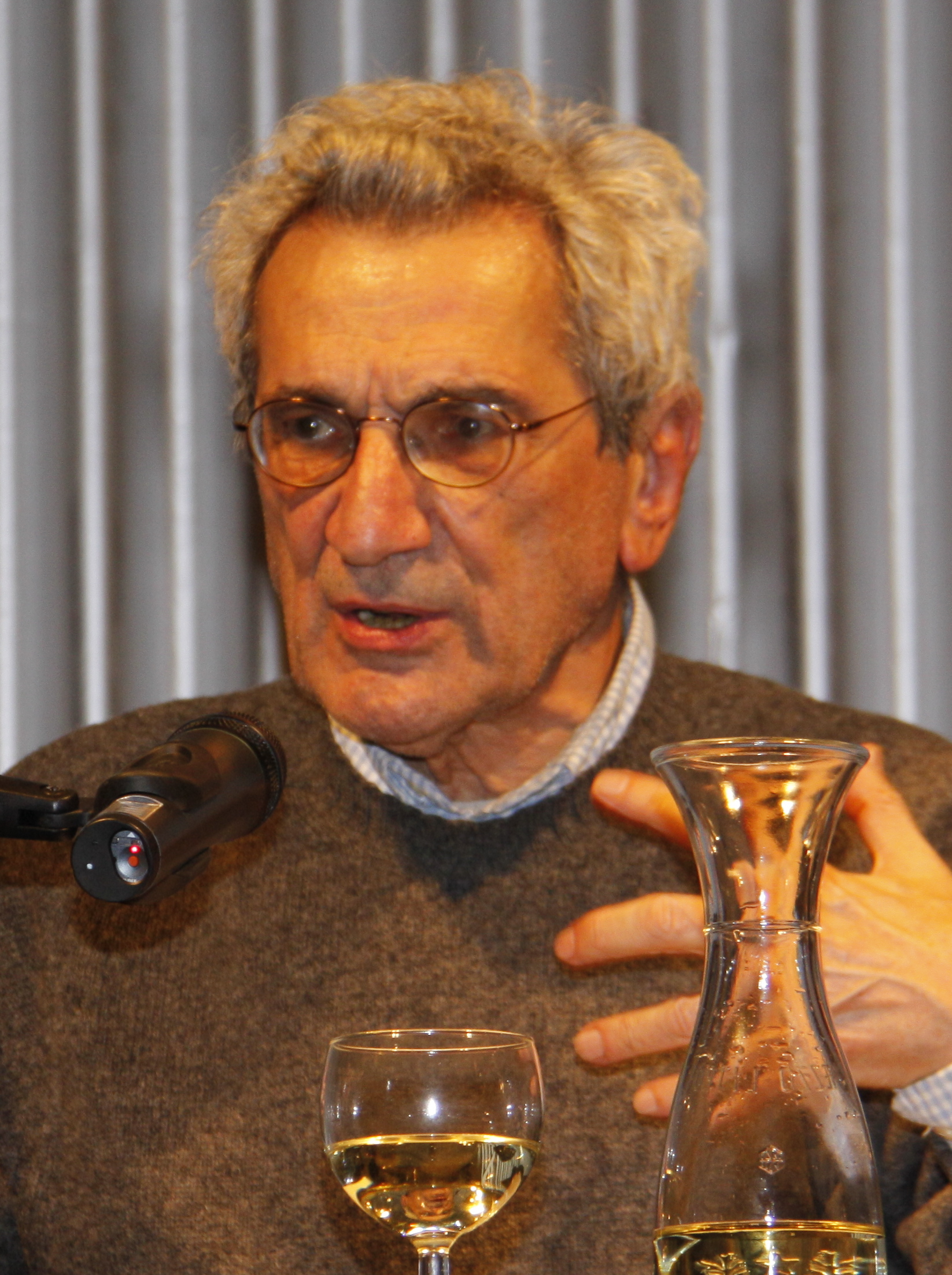
Antonio Negri was born on 1 August 1933 in Padua, Italy. He became a professor of political philosophy at the University of Padua, where he taught state and constitutional theory. Negri's academic career was marked by his involvement with various left-wing organizations, including Potere Operaio, which he founded in 1969. He was also a leading member of Autonomia Operaia, a movement that sought to promote worker autonomy and self-management. Negri's work was heavily influenced by the ideas of Karl Marx and Antonio Gramsci.
📚 Major Works and Ideas
Negri's most notable works include Empire, co-authored with Michael Hardt, and Multitude: War and Democracy in the Age of Empire. These books have had a significant impact on contemporary political thought, and have been widely read and debated by scholars and activists around the world. Negri's ideas have also been influential in shaping the autonomist movement, which emphasizes the importance of worker autonomy and self-management. Negri's work has been compared to that of Gilles Deleuze and Félix Guattari, who also explored the concept of autonomy and its relationship to capitalism.
🌍 Autonomism and Activism
Negri's involvement with left-wing organizations and his advocacy for worker autonomy and self-management led to his arrest and charges in 1979. He was accused of being the mastermind of the Red Brigades, a left-wing urban guerrilla organization involved in the kidnapping and murder of former Italian prime minister Aldo Moro. Although most charges were dropped, Negri was convicted of being a member of an armed group and served time in prison. His experiences in prison had a profound impact on his thought, and he continued to write and advocate for social justice and worker autonomy. Negri's work has been influenced by the ideas of Herbert Marcuse and Jean-Paul Sartre, who also explored the relationship between politics and philosophy.
🔮 Legacy and Controversy
Negri's legacy is complex and multifaceted. His ideas have been influential in shaping the autonomist movement, and his work continues to be widely read and debated by scholars and activists around the world. However, his involvement with left-wing organizations and his advocacy for worker autonomy and self-management have also been the subject of controversy and criticism. Despite these challenges, Negri remains an important figure in contemporary political thought, and his work continues to inspire and provoke new generations of scholars and activists. Negri's work has been compared to that of Slavoj Žižek and Judith Butler, who also explore the relationship between politics and philosophy.
Key Facts
- Year
- 1933-2023
- Origin
- Italy
- Category
- philosophy
- Type
- person
Frequently Asked Questions
What is autonomism?
Autonomism is a political philosophy that emphasizes the importance of worker autonomy and self-management. It seeks to promote the independence of workers from capitalist exploitation and to create new forms of social organization. Autonomism has been influential in shaping the autonomist movement, which has been active in various parts of the world. Key figures in the autonomist movement include Mario Tronti and Antonio Negri.
What is the significance of Empire?
Empire is a book co-authored by Antonio Negri and Michael Hardt that explores the concept of empire in the contemporary world. It argues that empire is a new form of global sovereignty that is characterized by the dominance of capitalist relations and the erosion of national borders. The book has been widely read and debated, and has had a significant impact on contemporary political thought. Empire has been compared to the work of Gilles Deleuze and Félix Guattari, who also explored the concept of autonomy and its relationship to capitalism.
What was Negri's involvement with the Red Brigades?
Negri was accused of being the mastermind of the Red Brigades, a left-wing urban guerrilla organization involved in the kidnapping and murder of former Italian prime minister Aldo Moro. Although most charges were dropped, Negri was convicted of being a member of an armed group and served time in prison. Negri's involvement with the Red Brigades has been the subject of controversy and debate, with some arguing that he was unfairly targeted by the Italian authorities. Others have criticized Negri's advocacy for violence and his involvement with extremist groups. The Red Brigades were also influenced by the ideas of Marxism-Leninism and Maoism.
What is Negri's legacy?
Negri's legacy is complex and multifaceted. His ideas have been influential in shaping the autonomist movement, and his work continues to be widely read and debated by scholars and activists around the world. However, his involvement with left-wing organizations and his advocacy for worker autonomy and self-management have also been the subject of controversy and criticism. Despite these challenges, Negri remains an important figure in contemporary political thought, and his work continues to inspire and provoke new generations of scholars and activists. Negri's legacy has been compared to that of Slavoj Žižek and Judith Butler, who also explore the relationship between politics and philosophy.
How does Negri's work relate to other philosophers?
Negri's work has been influenced by the ideas of Karl Marx, Antonio Gramsci, and Gilles Deleuze. His ideas have also been compared to those of Michael Hardt, Slavoj Žižek, and Judith Butler. Negri's work continues to be widely read and debated by scholars and activists around the world, and his legacy remains an important part of contemporary political thought. Negri's work has also been influenced by the ideas of Herbert Marcuse and Jean-Paul Sartre, who also explored the relationship between politics and philosophy.