
Contents
- 🏠 What Exactly Are Air Filters?
- 💡 Why You Need Them (Beyond Just Dust)
- 🔬 The Science Behind the Sieve
- 📊 Key Types & What They Catch
- ⭐ Ratings Explained: MERV, HEPA, and More
- 💰 Pricing & Where to Buy
- 🤔 Common Misconceptions Debunked
- 🛠️ Installation & Maintenance Tips
- 🌍 Environmental Impact & Sustainability
- 🚀 The Future of Air Filtration
- Frequently Asked Questions
- Related Topics
Overview
Air filters are critical components in maintaining indoor air quality, trapping pollutants like dust, pollen, mold spores, and even volatile organic compounds (VOCs). Their effectiveness is largely determined by their MERV (Minimum Efficiency Reporting Value) or HEPA (High-Efficiency Particulate Air) rating, with higher ratings indicating better filtration. Beyond HVAC systems, portable air purifiers and even simple furnace filters play a vital role in homes and offices, impacting respiratory health and overall well-being. Understanding the different types of filters, their limitations, and replacement schedules is key to ensuring a cleaner, healthier living space.
🏠 What Exactly Are Air Filters?
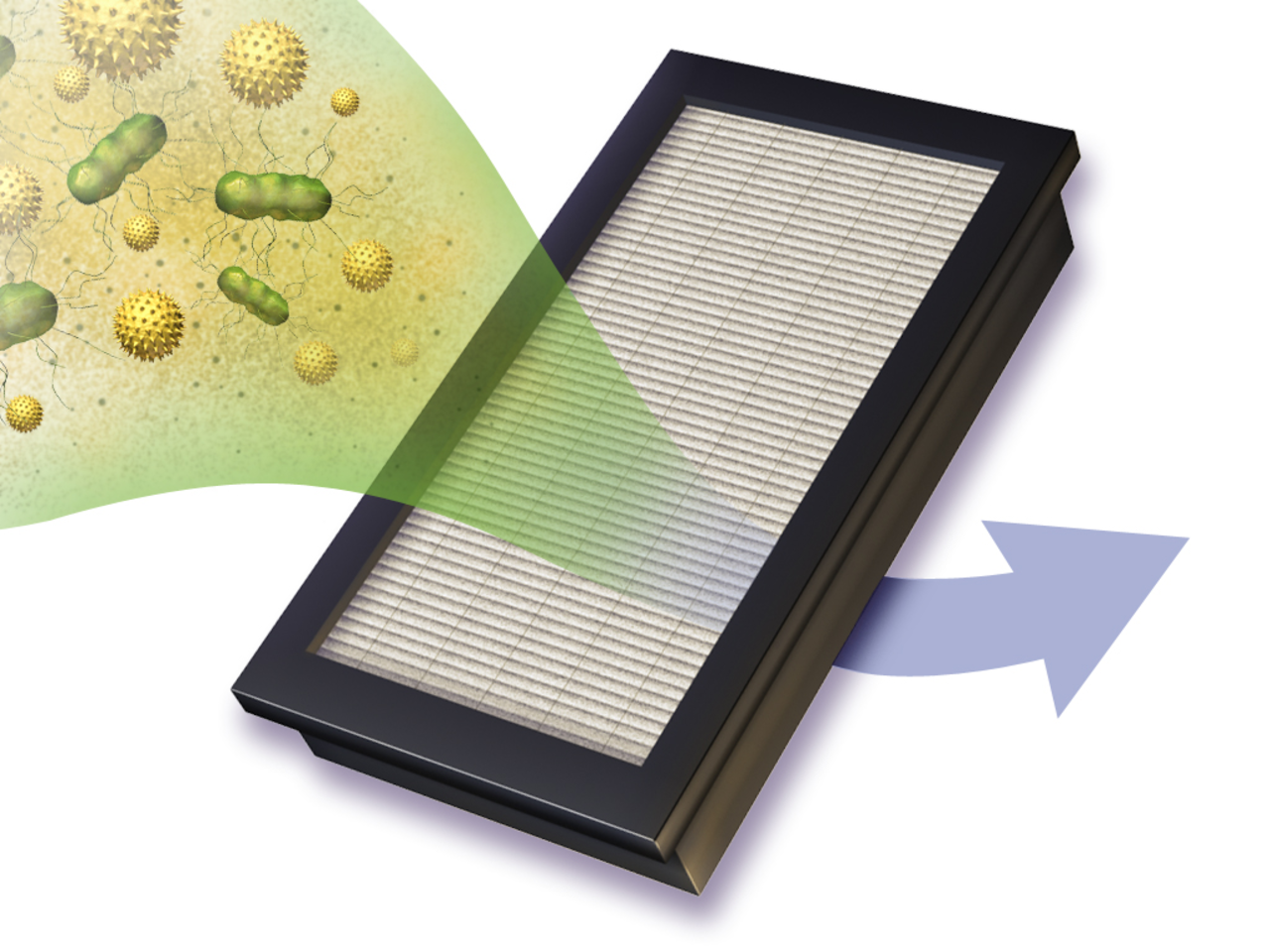
Think of air filters as the lungs of your home or office. They're not just passive screens; they're active participants in maintaining a healthy indoor environment. Primarily, they're designed to capture airborne particles – everything from the obvious dust bunnies and pet dander to the less visible threats like pollen, mold spores, and even microscopic bacteria and viruses. Without them, these particulates would circulate freely, impacting air quality and potentially your well-being. They are essential components in HVAC systems, air purifiers, and even in critical environments like hospitals and cleanrooms.
💡 Why You Need Them (Beyond Just Dust)
Beyond the visible dust, air filters tackle a spectrum of indoor air pollutants that can trigger allergies, asthma, and other respiratory issues. They trap smoke particles from cooking or external sources, volatile organic compounds (VOCs) off-gassed by furniture and cleaning products, and even unpleasant odors. For anyone concerned about indoor air quality (IAQ), especially those with sensitivities or living in areas with high pollution, a good air filter is non-negotiable. It's a proactive step towards a healthier living or working space, reducing the load on your respiratory system.
🔬 The Science Behind the Sieve
The engineering behind an air filter is surprisingly sophisticated. Most rely on a dense matrix of fibers, often made from materials like fiberglass, synthetic polymers, or cotton. As air is forced through this matrix, particles become trapped within the fibers through a combination of mechanisms: impaction (larger particles collide directly), interception (particles following the airflow get caught on fibers), and diffusion (smaller particles move erratically and eventually stick). Filters with activated carbon go a step further, adsorbing gases and odors onto their porous surface.
📊 Key Types & What They Catch
The world of air filters isn't monolithic. You'll encounter HEPA filters, renowned for capturing at least 99.97% of particles 0.3 microns in size – that includes most bacteria and viruses. Then there are activated carbon filters, specifically designed to neutralize odors and chemical pollutants. Electrostatic filters use an electric charge to attract particles, while UV-C filters employ ultraviolet light to kill microorganisms. Each type excels in different areas, and often, the best solutions combine multiple filtration technologies.
⭐ Ratings Explained: MERV, HEPA, and More
Understanding filter ratings is crucial for making an informed choice. The MERV (Minimum Efficiency Reporting Value) scale, ranging from 1 to 20, indicates a filter's general efficiency in capturing particles of various sizes. Higher MERV ratings mean better filtration but can also restrict airflow. HEPA (High-Efficiency Particulate Air) is a standard, not a rating scale, guaranteeing a specific level of particle removal. Always check the specific rating for your application to balance filtration performance with your system's capabilities.
💰 Pricing & Where to Buy
The cost of air filters varies significantly based on type, size, and brand. Basic furnace filters might range from $5 to $20, while high-performance HEPA air purifiers can cost several hundred dollars, with replacement filters often running $30-$100. You can find them at major home improvement stores like Home Depot and Lowe's, online retailers such as Amazon, and directly from HVAC manufacturers. Consider the long-term cost of replacement filters when budgeting for an air purification system.
🤔 Common Misconceptions Debunked
One common misconception is that all air filters are the same. This couldn't be further from the truth. Another is that a higher MERV rating is always better; this isn't true for all systems, as excessively high ratings can strain your HVAC equipment. Many also believe that simply running a fan will clean the air, but without a filter, the fan merely circulates existing pollutants. Finally, the idea that filters only catch visible dust ignores their critical role in removing invisible threats like VOCs and pathogens.
🛠️ Installation & Maintenance Tips
Proper installation and regular maintenance are key to maximizing your air filter's effectiveness. Always ensure the filter is the correct size for your system and installed with the airflow arrow pointing in the right direction. For disposable filters, adhere to the manufacturer's recommended replacement schedule – typically every 1-3 months for HVAC filters, though this can vary based on usage and air quality. For reusable filters, follow cleaning instructions diligently. Neglecting this can lead to reduced efficiency and potential system damage.
🌍 Environmental Impact & Sustainability
The environmental footprint of air filters is a growing concern. Disposable filters contribute to landfill waste, while the energy required to manufacture and transport them adds to their impact. However, the industry is increasingly exploring sustainable options, including filters made from recycled materials and designs that extend filter life. Furthermore, the energy savings from a well-maintained, efficient HVAC system (which relies on clean filters) can offset some of the environmental costs associated with filtration itself.
🚀 The Future of Air Filtration
The future of air filtration is moving towards smarter, more integrated solutions. Expect to see smart air filters that monitor air quality in real-time and adjust filtration levels automatically, communicating directly with your HVAC system or smart home devices. Innovations in nanomaterials promise even finer particle capture and enhanced adsorption capabilities. We're also likely to see a greater emphasis on filters that are not only effective but also environmentally friendly, perhaps even incorporating self-cleaning or regenerative technologies.
Key Facts
- Year
- 2023
- Origin
- Vibepedia.wiki
- Category
- Home & Health
- Type
- Resource Guide
Frequently Asked Questions
How often should I change my furnace air filter?
For most residential HVAC systems, it's recommended to change disposable filters every 1 to 3 months. This can vary based on the filter's MERV rating, the number of pets in your home, and local air quality. High-traffic periods, like allergy season or wildfire smoke events, may necessitate more frequent changes. Always check the manufacturer's guidelines for your specific filter.
What's the difference between a HEPA filter and a MERV filter?
MERV (Minimum Efficiency Reporting Value) is a rating scale for general air filters, typically used in HVAC systems, indicating their efficiency in capturing particles from 0.3 to 10 microns. HEPA (High-Efficiency Particulate Air) is a standard, not a rating scale, guaranteeing a filter captures at least 99.97% of particles 0.3 microns in size. HEPA filters are generally much more efficient for capturing very small particles like viruses and bacteria.
Can air filters help with pet allergies?
Absolutely. Air filters are highly effective at capturing pet dander, a common allergen. By trapping these microscopic skin flakes, along with pet hair and associated odors, air filters can significantly improve air quality for individuals with pet allergies. Using a filter with a higher MERV rating or a dedicated HEPA filter in an air purifier is particularly beneficial.
Are activated carbon filters effective against odors?
Yes, activated carbon filters are specifically designed to adsorb odors and gaseous pollutants, including VOCs, smoke, and cooking smells. The porous structure of activated carbon provides a large surface area for these molecules to bind to. While they don't typically capture particulate matter as effectively as HEPA filters, they are essential for comprehensive air purification.
Can I wash and reuse my air filter?
This depends entirely on the type of filter. Some filters are designed to be washable and reusable, often made from materials like foam or metal mesh. However, most disposable filters, especially pleated paper or fiberglass ones, are not designed for washing and will be damaged or lose their effectiveness if you attempt to clean them. Always check the filter's specifications before attempting to wash it.
How do I know if my air filter needs changing?
The most straightforward way is to check the date of installation against the manufacturer's recommended replacement interval (e.g., 1-3 months). Visually, a heavily soiled filter will appear visibly dirty, clogged with dust and debris. You might also notice reduced airflow from your vents or an increase in dust accumulation around your home. Some smart thermostats can even alert you when it's time to change the filter.