
Contents
Overview
Activists are individuals or groups who actively campaign for or against social, political, environmental, or economic change. They employ a diverse range of tactics, from peaceful protests and civil disobedience to digital organizing, lobbying, and direct action. Historically, activism has been a driving force behind major societal shifts, such as the Civil Rights Movement, the suffragette movement, and environmental protection efforts. In the contemporary landscape, online platforms have amplified activist reach, enabling rapid mobilization and global awareness campaigns, though this also brings challenges like misinformation and state surveillance. Understanding activism requires examining its historical roots, the evolving methodologies, and the complex interplay between grassroots efforts and institutional power structures.
🎯 What is an Activist?
An activist is an individual or group dedicated to driving social, political, economic, or environmental change. They operate with a clear objective: to reform society towards what they perceive as a 'common good.' This isn't about passive observation; it's about active intervention. Whether it's advocating for climate action or pushing for racial justice, the core is a desire to mold the future through deliberate effort. Think of them as the architects of societal evolution, constantly sketching new blueprints for a better world, or at least, a world they believe is better.
✊ Forms of Action
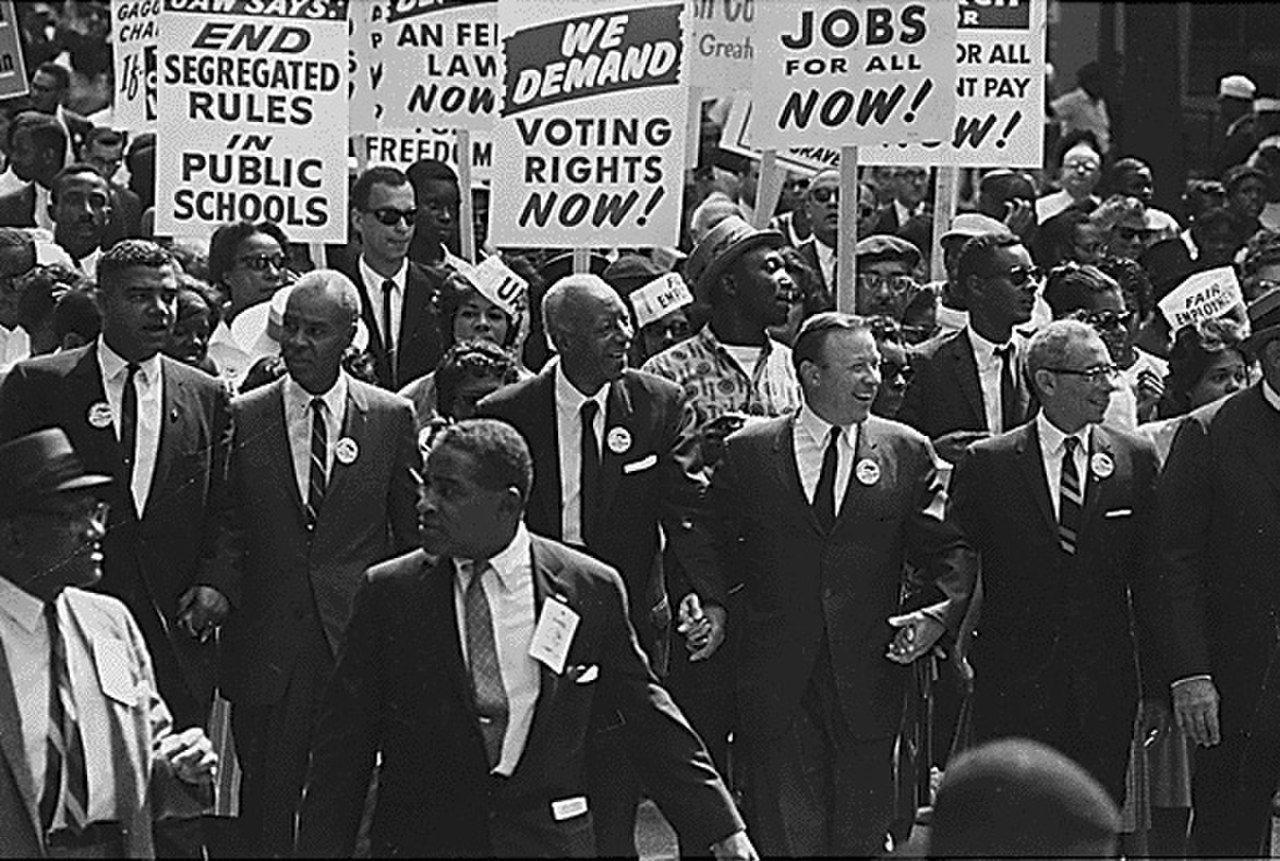
The methods employed by activists are as diverse as their causes. On one end, you have the quiet persistence of petitioning elected officials or engaging in community organizing. On the other, the high-visibility tactics like street marches, strikes, and sit-ins capture headlines. Preferential patronage of businesses that align with one's values, or boycotts of those that don't, represent economic activism. Even contributing to a political campaign is a form of activism, channeling resources and support towards specific policy outcomes.
⚖️ The Spectrum of Impact
The impact of activism is a complex equation, rarely a simple win or loss. Some actions lead to immediate, tangible policy shifts, like the Civil Rights Act of 1964, a direct result of decades of sustained activism. Others, like the global anti-globalization movement, foster broader cultural shifts and raise awareness, even if specific policy victories are elusive. The 'common good' itself is often debated, meaning success is frequently measured not just in outcomes, but in the intensity of the discourse and the mobilization of public opinion.
💡 Key Motivations & Ideologies
At the heart of activism lies a potent mix of motivations and ideologies. These can range from deeply held human rights principles and environmental ethics to specific economic theories or political philosophies. Whether driven by a belief in socialism, libertarianism, feminism, or anarchism, these underlying frameworks inform the activist's goals and chosen methods. Understanding these foundational beliefs is crucial to grasping the 'why' behind their actions.
🌐 Global Reach & Local Roots
Activism is a global phenomenon, yet its power often resides in local action. Movements like Black Lives Matter have global resonance, but their most impactful work happens at the community level, organizing protests and advocating for local policy changes. Similarly, environmental activism can manifest as international treaties or as local groups fighting to protect a specific watershed. This duality of global awareness and local implementation is a hallmark of modern social movements.
📈 Measuring Success (It's Complicated)
Quantifying the success of activism is notoriously difficult. Vibe scores for movements can fluctuate wildly based on media attention and perceived progress. Did a protest lead to a law change? Did a boycott bankrupt a company? Or did it merely shift public consciousness, laying groundwork for future change? Often, success is a slow burn, a gradual erosion of the status quo rather than a single, decisive victory. The Controversy Spectrum for many activist causes remains high, indicating ongoing debate about their efficacy and legitimacy.
⚠️ Risks & Rewards
Engaging in activism is rarely without risk. Activists can face legal repercussions, public backlash, and even physical danger, as seen in historical crackdowns on labor movements and civil rights protests. However, the rewards can be profound: the satisfaction of contributing to meaningful change, the forging of strong community bonds, and the potential to shape a more just or sustainable world. The Perspective Breakdown for activism often includes pessimistic views on its effectiveness versus optimistic hopes for its transformative power.
🤝 Finding Your Tribe
Finding your place within the broader landscape of activism is key. This might mean joining an established organization focused on a cause you care about, like Greenpeace for environmental issues or Amnesty International for human rights. Alternatively, it could involve starting your own initiative or collaborating with like-minded individuals on specific projects. The key is to connect with others who share your vision and can amplify your efforts through collective action.
📚 Resources for Aspiring Activists
For those inspired to act, a wealth of resources exists. Online platforms offer toolkits for organizing, fundraising guides, and legal resources for activists. Books and documentaries chronicle the history and strategies of successful movements, providing invaluable lessons. Many organizations offer training programs, mentorship opportunities, and networking events. Familiarizing yourself with the history of protest is a critical first step.
🚀 The Future of Activism
The future of activism is being shaped by technology and evolving societal norms. Digital tools enable rapid mobilization and global communication, as seen with the Arab Spring. However, concerns about online surveillance and the spread of misinformation present new challenges. We're likely to see a continued blend of online and offline tactics, with activists adapting to new platforms and finding innovative ways to exert pressure and build power in an increasingly interconnected world.
Key Facts
- Year
- Ancient History
- Origin
- Ancient Greece
- Category
- Social Movements & Advocacy
- Type
- Concept
Frequently Asked Questions
What's the difference between an activist and a politician?
While both seek to influence society, politicians typically operate within established governmental structures, seeking elected office to enact policy. Activists, on the other hand, often work outside these formal structures, aiming to pressure politicians and the public to adopt specific changes. Politicians are part of the system; activists often seek to change the system itself. Their methods and accountability structures also differ significantly.
Is all activism legal?
No, not all activism is legal. While many forms, like petitioning or peaceful protests, are protected rights in many democracies, other tactics, such as civil disobedience, intentionally break laws to highlight injustice. Historically, some of the most impactful activism has involved breaking unjust laws, but this carries significant legal risks, including arrest and prosecution. It's crucial to understand the legal implications of any chosen action.
How can I measure the impact of my activism?
Measuring impact is complex. Look for tangible outcomes like policy changes, increased public awareness (measured by media coverage or polling), shifts in corporate behavior, or growth in supporter numbers. Qualitative impacts, like fostering a sense of community or empowering marginalized voices, are also vital, though harder to quantify. Vibepedia's Vibe Scores can offer a cultural energy measurement, but real-world impact requires deeper analysis.
What are the biggest challenges facing activists today?
Activists today face challenges like government surveillance, corporate lobbying that counteracts reform efforts, public apathy or polarization, and the spread of misinformation online. Maintaining momentum, securing funding, and avoiding burnout are also significant hurdles. The sheer speed of information dissemination can also make it difficult to sustain focus on a single issue, as seen in the Controversy Spectrum of many ongoing campaigns.
Can I be an activist without joining a group?
Absolutely. While group affiliation can amplify efforts, individual activism is powerful. This can include educating yourself and others, making conscious consumer choices, donating to causes you believe in, contacting your representatives, or using your personal platform (social media, art, writing) to advocate for change. Even small, consistent actions contribute to the larger currents of social change.
What is 'slacktivism' and is it a valid form of activism?
'Slacktivism' or 'clicktivism' refers to low-effort online actions like signing online petitions or sharing posts. While often criticized for lacking real-world impact, proponents argue it raises awareness and can be a gateway to deeper engagement. The debate hinges on whether these actions translate into meaningful change or merely provide a sense of participation without tangible results. It's a key point in the Debate on Digital Activism.