
Contents
Overview
Vinyl sales represent the resurgence of the physical record format, a phenomenon that began gaining significant traction around 2007 and has continued to grow, defying the digital streaming era. Once the dominant medium for music distribution from the 1950s to the 1980s, vinyl was largely supplanted by cassettes, CDs, digital downloads, and eventually streaming services. However, a "vinyl revival" has seen sales climb steadily, reaching levels not seen in decades in many markets. This trend is driven by a combination of factors including a desire for tangible music ownership, superior audio fidelity perceived by enthusiasts, and a growing collector's market, particularly among younger demographics embracing retro aesthetics and experiences. Despite making up a smaller fraction of the overall music market compared to digital, vinyl's consistent growth and cultural cachet make it a vital segment of the contemporary music industry.
🎵 Origins & History
The story of vinyl sales is one of remarkable resilience. For nearly a century, from the early 20th century through the 1980s, the vinyl record was the primary format for recorded music distribution, evolving from shellac 78s to the ubiquitous 33⅓ rpm and 45 rpm LPs and singles. The advent of the Compact Disc in the early 1980s, promising superior sound quality and durability, began its decline, a trend accelerated by the rise of digital downloads and later music streaming services like Spotify and Apple Music. Despite this digital onslaught, a nascent revival began around 2007, with independent record stores and dedicated fans keeping the format alive, laying the groundwork for the significant resurgence observed in the 2010s and beyond.
⚙️ How It Works
At its core, a vinyl record functions as an analog audio storage medium. Music is physically etched into a spiral groove on the surface of a polyvinyl chloride (PVC) disc. A stylus, typically made of diamond or sapphire, tracks this groove, vibrating as it encounters the modulations. These vibrations are then converted into an electrical signal by a turntable cartridge, amplified, and finally reproduced as sound through speakers. The quality of the playback is influenced by numerous factors, including the pressing quality of the record itself, the material used (PVC being standard for modern LPs), the condition of the stylus, and the calibration of the turntable's tonearm. The inherent analog nature means that sound is represented continuously, which audiophiles often argue provides a warmer, more "natural" listening experience compared to the discrete digital samples used in CDs and streaming.
📊 Key Facts & Numbers
The numbers behind the vinyl revival are striking. In 2022, vinyl sales in the United States reportedly surpassed $1.2 billion, marking the 17th consecutive year of growth for the format, according to the Recording Industry Association of America (RIAA). Globally, vinyl sales reportedly reached an estimated $1.7 billion in 2023, a figure that continues to climb. While this represents a fraction of the total music market, which is dominated by streaming revenue reportedly exceeding $30 billion annually, vinyl's growth rate has consistently outpaced that of other physical formats like CDs. In the UK, vinyl sales reportedly exceeded 5 million units in 2023 for the first time since 1990, accounting for over 25% of all physical album sales.
👥 Key People & Organizations
Several key figures and organizations have been instrumental in the vinyl resurgence. Independent record stores, such as Rough Trade in London and Amoeba Music in Los Angeles, have served as crucial hubs for enthusiasts and new converts alike, fostering community and providing access to a diverse range of new and used records. Record labels, both major and independent, have ramped up vinyl production to meet demand, with companies like Universal Music Group and Warner Music Group investing heavily in pressing plants. Artists themselves have embraced the format, with many releasing their new albums on vinyl, often as limited editions or special pressings, recognizing its appeal to dedicated fanbases. Organizations like the Record Store Day initiative, launched in 2008, have played a significant role in driving foot traffic to independent stores and celebrating the culture surrounding vinyl.
🌍 Cultural Impact & Influence
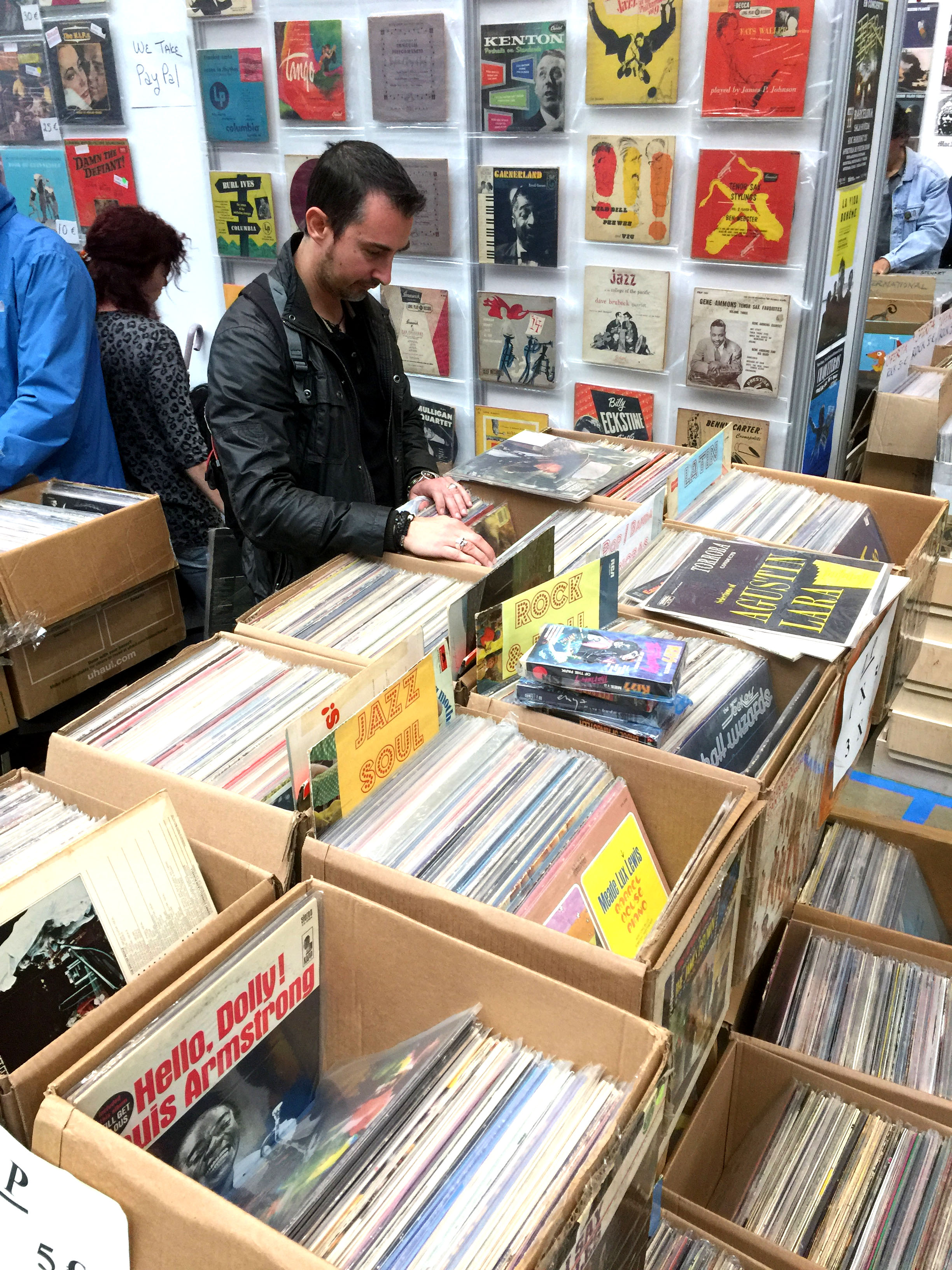
The cultural impact of vinyl sales extends far beyond mere music consumption. It has fueled a broader retro-tech aesthetic, influencing fashion, interior design, and a general appreciation for tangible, analog experiences in an increasingly digital world. The act of browsing record stores, carefully selecting an album, placing it on the turntable, and engaging with liner notes offers a deliberate and ritualistic listening experience that contrasts sharply with the passive, often background, nature of streaming. This has fostered a sense of community among collectors and music lovers, with online forums, social media groups, and local meetups dedicated to the shared passion for vinyl. Furthermore, the visual art of album covers, often overlooked in the digital realm, has regained prominence, serving as significant artistic statements and collectible items in their own right.
⚡ Current State & Latest Developments
As of 2024, vinyl sales continue their upward trajectory, demonstrating remarkable resilience against digital dominance. Major artists are increasingly prioritizing vinyl releases. Taylor Swift's "Midnights" and Billie Eilish's "Happier Than Ever" achieved significant sales milestones on the format. The industry is also seeing innovation in pressing technology and sustainable materials to address environmental concerns. Major labels are investing in new pressing facilities, such as RIAA-backed initiatives, to meet the burgeoning demand and alleviate bottlenecks. The rise of niche genres and independent artists finding success through vinyl-only releases or limited runs further highlights the format's enduring appeal and its role as a viable commercial strategy.
🤔 Controversies & Debates
The vinyl revival is not without its controversies and debates. The environmental impact of PVC production and the energy-intensive manufacturing process of vinyl records are points of controversy, especially when compared to the perceived lower footprint of digital streaming. There's also a debate about audio fidelity, with some arguing that the perceived "warmth" of vinyl is merely distortion or that the format is inherently inferior to high-resolution digital audio. Furthermore, the increasing cost of new vinyl releases, reportedly often exceeding $30-$40 for a standard LP, raises questions about accessibility and whether the format is becoming a luxury good rather than a mainstream music medium. The limited availability of certain pressings and the subsequent rise of scalping also draw criticism from dedicated fans.
🔮 Future Outlook & Predictions
The future of vinyl sales appears robust, with projections indicating continued growth, albeit at a potentially moderated pace. Experts anticipate further investment in pressing capacity and material innovation to address environmental concerns and improve efficiency. The format is likely to remain a crucial revenue stream for artists and labels, particularly for niche genres and collector-focused releases. We may see increased integration of vinyl with digital platforms, perhaps through QR codes on album sleeves linking to exclusive digital content or augmented reality experiences. The ongoing appeal of tangible ownership and the unique listening ritual suggests that vinyl will maintain its status as a significant, if not dominant, physical music format for the foreseeable future, potentially reaching $2 billion in global sales by 2025.
💡 Practical Applications
Vinyl records serve multiple practical applications beyond casual listening. For audiophiles and sound engineers, they offer a reference point for analog sound reproduction and mastering techniques. Collectors utilize vinyl for its investment potential and historical significance, with rare pressings commanding substantial sums. Musicians and producers often use vinyl releases as a way to connect directly with their most dedicated fans, offering exclusive content and a premium product. The format also plays a role in music education, providing a tangible example of analog audio technology and the evolution of music distribution. Furthermore, the physical nature of vinyl makes it a popular medium for DJs, who often prefer the tactile control and sonic characteristics of turntables for live performances and mixing.
Key Facts
- Category
- culture
- Type
- topic