
Contents
Overview
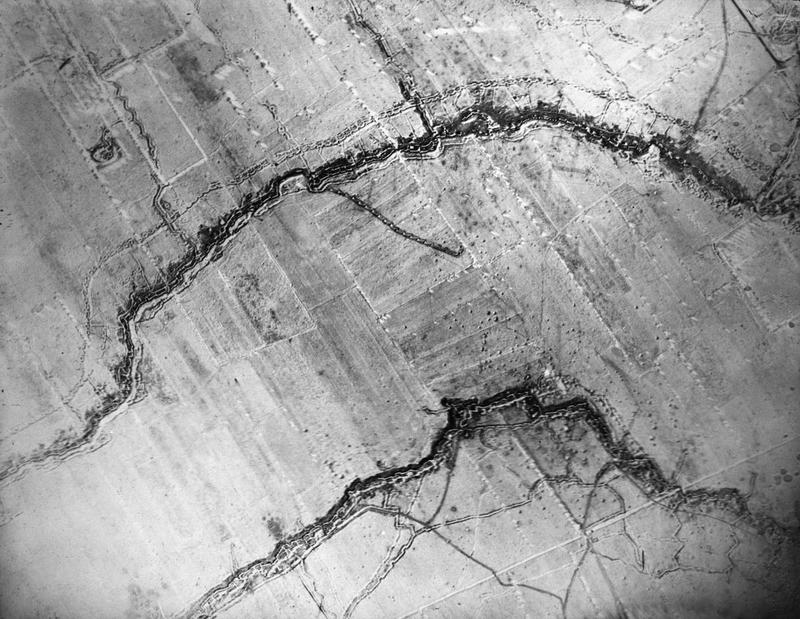
Trench warfare has its roots in the American Civil War, where Union and Confederate forces employed trenches during the Siege of Petersburg, as noted by historians like James McPherson and Gary Gallagher. However, it was during World War I that trench warfare became a dominant form of combat, with the Western Front becoming a labyrinth of trenches, barbed wire, and no man's land, as described by writers like Erich Maria Remarque and Wilfred Owen. The introduction of machine guns, such as the German Maschinengewehr 08, and artillery, like the French 75mm gun, made it difficult for troops to cross no man's land without suffering heavy casualties, leading to the development of new tactics by military leaders like Douglas Haig and Ferdinand Foch.
⚔️ How It Worked
The construction of trenches was a complex process, involving the use of materials like sandbags, barbed wire, and wooden planks, as outlined in military manuals like the British Army's 'Field Service Regulations'. The trenches themselves were often dug by soldiers like those in the Australian Imperial Force and the Canadian Expeditionary Force, who had to contend with harsh conditions, including mud, rats, and lice, as documented by historians like Charles Bean and Tim Cook. The use of trenches also led to the development of new technologies, such as tanks, like the British Mark I, and gas masks, like the French M2, which were designed to protect soldiers from the dangers of trench warfare, as discussed by historians like John Keegan and Martin van Creveld.
🌍 Cultural Impact
Trench warfare had a profound impact on the cultural landscape of the 20th century, influencing literature, art, and film, as seen in the works of artists like Otto Dix and filmmakers like Stanley Kubrick. The horrors of trench warfare were captured in works like 'All Quiet on the Western Front' by Erich Maria Remarque and 'The Wars' by Timothy Findley, which highlighted the futility and brutality of war, as discussed by literary critics like Paul Fussell and Modris Eksteins. The experience of trench warfare also shaped the development of modern warfare, with the introduction of new technologies and tactics, like blitzkrieg and guerrilla warfare, as employed by military leaders like Heinz Guderian and Che Guevara.
🔮 Legacy & Future
The legacy of trench warfare can still be seen today, with many of the tactics and technologies developed during World War I continuing to influence modern warfare, as discussed by military strategists like Colin Gray and Rupert Smith. The use of trenches and fortifications remains a key aspect of modern warfare, with the Israeli Defense Forces and the Palestinian militant group Hamas employing trenches and tunnels in their conflicts, as reported by news outlets like The New York Times and Al Jazeera. The study of trench warfare also continues to be an important area of research, with historians like Niall Ferguson and Margaret MacMillan examining the social, cultural, and economic impacts of trench warfare on society, as discussed in academic journals like the Journal of Military History and the Historical Journal.
Key Facts
- Year
- 1914-1918
- Origin
- Western Front, Europe
- Category
- history
- Type
- concept
Frequently Asked Questions
What was the main characteristic of trench warfare during World War I?
The main characteristic of trench warfare during World War I was the use of occupied lines of military trenches, providing protection from small arms fire and artillery. This led to a stalemate, with both sides dug in and unable to advance, as discussed by historians like John Keegan and Martin van Creveld. The use of trenches also led to the development of new technologies, such as tanks and gas masks, which were designed to protect soldiers from the dangers of trench warfare, as reported by news outlets like The New York Times and Al Jazeera.
How did trench warfare influence the development of modern warfare?
Trench warfare had a profound impact on the development of modern warfare, with the introduction of new technologies and tactics, like blitzkrieg and guerrilla warfare. The use of trenches and fortifications remains a key aspect of modern warfare, with the Israeli Defense Forces and the Palestinian militant group Hamas employing trenches and tunnels in their conflicts, as discussed by military strategists like Colin Gray and Rupert Smith. The study of trench warfare also continues to be an important area of research, with historians like Niall Ferguson and Margaret MacMillan examining the social, cultural, and economic impacts of trench warfare on society, as discussed in academic journals like the Journal of Military History and the Historical Journal.
What were the main challenges faced by soldiers during trench warfare?
The main challenges faced by soldiers during trench warfare were the harsh conditions, including mud, rats, and lice, as well as the constant threat of death or injury from artillery fire and machine guns. Soldiers also had to contend with the psychological strain of living in close proximity to death and violence, as documented by historians like Charles Bean and Tim Cook. The use of trenches also led to the development of new diseases, such as trench foot, which was caused by the wet and unsanitary conditions, as reported by medical historians like Roy Porter and Mark Harrison.
How did trench warfare influence literature and art?
Trench warfare had a profound impact on literature and art, with many writers and artists drawing on their experiences during World War I. Works like 'All Quiet on the Western Front' by Erich Maria Remarque and 'The Wars' by Timothy Findley captured the horrors and futility of war, as discussed by literary critics like Paul Fussell and Modris Eksteins. The experience of trench warfare also influenced the development of modern art, with artists like Otto Dix and Pablo Picasso creating works that reflected the chaos and destruction of war, as discussed by art historians like Robert Hughes and Meyer Schapiro.
What is the legacy of trench warfare today?
The legacy of trench warfare can still be seen today, with many of the tactics and technologies developed during World War I continuing to influence modern warfare. The use of trenches and fortifications remains a key aspect of modern warfare, with the Israeli Defense Forces and the Palestinian militant group Hamas employing trenches and tunnels in their conflicts, as reported by news outlets like The New York Times and Al Jazeera. The study of trench warfare also continues to be an important area of research, with historians like Niall Ferguson and Margaret MacMillan examining the social, cultural, and economic impacts of trench warfare on society, as discussed in academic journals like the Journal of Military History and the Historical Journal.