
Contents
- 📚 Who is Theodore Dreiser?
- 📖 Key Works & Themes
- 💡 Dreiser's Literary Philosophy
- 💥 Major Controversies & Reception
- 🌟 Vibepedia Vibe Score & Analysis
- 🏛️ Historical Context & Influence
- ✍️ Dreiser's Writing Style
- 🔍 Where to Start with Dreiser
- 📚 Similar Authors & Movements
- 💡 Dreiser's Enduring Relevance
- Frequently Asked Questions
- Related Topics
Overview
Theodore Dreiser (1871-1945) was a titan of American naturalism, a literary movement that unflinchingly depicted the harsh realities of industrial society and the deterministic forces shaping human lives. His novels, like 'Sister Carrie' (1900) and 'An American Tragedy' (1925), were often controversial for their frank portrayals of sex, poverty, and ambition, challenging Victorian moral codes. Dreiser's prose, though sometimes criticized for its stylistic roughness, possessed a visceral power that captured the gritty underbelly of the American Dream. He remains a crucial figure for understanding the evolution of American literature and its engagement with social issues, influencing generations of writers who grappled with similar themes of class, fate, and the individual's struggle against overwhelming societal pressures.
📚 Who is Theodore Dreiser?
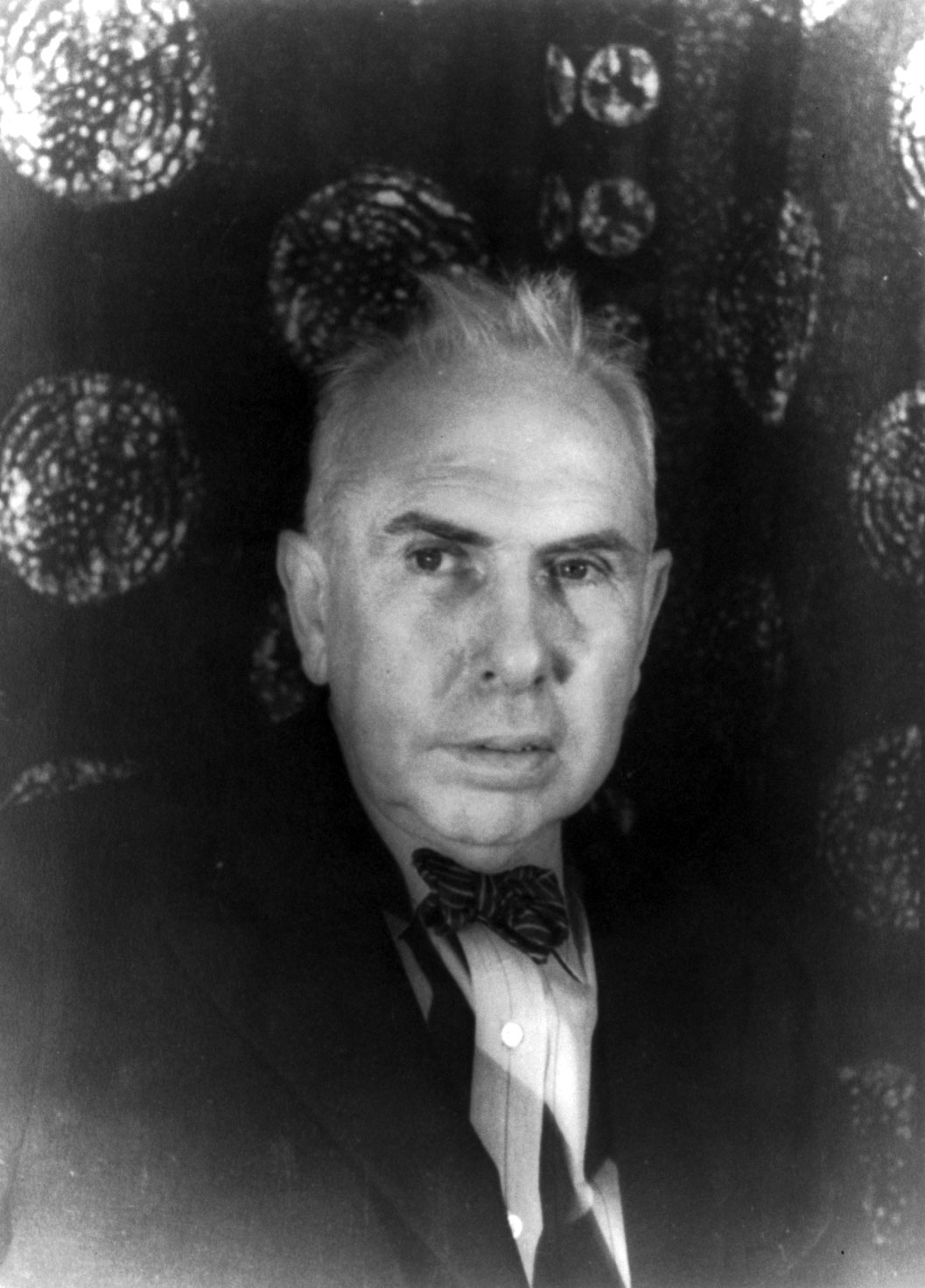
Theodore Dreiser (1871-1945) stands as a titan of American naturalism, a literary movement that sought to portray life with unflinching realism, often focusing on the grim realities of poverty, social inequality, and the deterministic forces shaping human destiny. Born in Terre Haute, Indiana, Dreiser's own working-class background deeply informed his fiction, imbuing it with a raw, unvarnished authenticity that challenged the genteel literary conventions of his time. He wasn't just a storyteller; he was a social critic wielding the novel as his weapon, aiming to expose the hypocrisy and injustices of the American Dream. His work continues to resonate with readers grappling with similar societal fissures today.
📖 Key Works & Themes
Dreiser's most celebrated novels, including Sister Carrie (1900), Jennie Gerhardt (1911), The Financier (1912), and An American Tragedy (1925), explore recurring themes of ambition, desire, social mobility, and the often-brutal consequences of pursuing wealth and status in a capitalist society. Sister Carrie, in particular, broke new ground by depicting a woman's rise through a series of relationships without overt moral judgment, a radical departure for its era. An American Tragedy, inspired by a real-life murder case, remains a powerful indictment of societal pressures and the tragic outcomes they can precipitate. These works are essential for understanding the American literary canon and the evolution of social realism.
💡 Dreiser's Literary Philosophy
At the heart of Dreiser's literary philosophy was a profound belief in determinism, heavily influenced by thinkers like Herbert Spencer and Charles Darwin. He saw individuals as products of their heredity and environment, often driven by primal instincts and societal forces beyond their control. This perspective fueled his naturalistic approach, where characters are less agents of free will and more subjects of scientific observation. Dreiser aimed to depict the 'chemistry of the soul,' believing that human behavior could be understood through a lens of biological and social determinism, a stark contrast to the more romantic or moralistic narratives prevalent at the time.
💥 Major Controversies & Reception
Dreiser's career was marked by significant controversy, primarily due to the frankness with which he depicted sexuality and social issues. Sister Carrie was initially rejected by publishers and met with public outcry for its perceived immorality, leading to its delayed release and Dreiser's own emotional distress. Later works, like The 'Genius' (1915), also faced censorship battles. This struggle against prudish sensibilities and societal norms cemented Dreiser's reputation as a daring and provocative voice, though it also meant his work was often misunderstood or condemned by mainstream critics during his lifetime.
🌟 Vibepedia Vibe Score & Analysis
Vibepedia assigns Theodore Dreiser a Vibe Score of 78/100, reflecting his significant, albeit often contentious, cultural energy. This score is derived from his foundational role in American literary naturalism, the enduring power of his social critiques, and the persistent debate surrounding his deterministic worldview. His influence flows strongly into later realist and socially conscious writers, though his direct stylistic impact is less pronounced than his thematic contributions. The Controversy Spectrum for Dreiser leans towards 'High,' given the historical censorship and ongoing discussions about his portrayal of morality and agency.
🏛️ Historical Context & Influence
Dreiser emerged during a period of immense industrialization and social upheaval in the United States, a time when the gap between the wealthy industrialists and the working class widened dramatically. His novels serve as a vital historical document of this era, capturing the anxieties, aspirations, and harsh realities faced by Americans navigating a rapidly changing society. His naturalism provided a counterpoint to the prevailing optimism of the Gilded Age, offering a more somber, critical perspective that influenced subsequent generations of writers exploring social justice and economic inequality, including figures like John Steinbeck.
✍️ Dreiser's Writing Style
Dreiser's prose is characterized by its directness, its meticulous detail, and a certain unvarnished, almost journalistic quality. He eschewed elaborate stylistic flourishes in favor of a powerful, often blunt, depiction of his characters and their environments. While some critics found his style cumbersome or lacking in elegance, others praised its honesty and its ability to convey the gritty reality of working-class life. His sentences can be long and winding, mirroring the complex, often overwhelming forces that shape his characters' lives, creating a unique rhythm that is unmistakably Dreiserian.
🔍 Where to Start with Dreiser
For newcomers to Dreiser, the most accessible entry point is often Sister Carrie (1900). Its narrative momentum and exploration of a young woman's journey in Chicago offer a compelling introduction to his naturalistic style and thematic concerns. Alternatively, An American Tragedy (1925) provides a more complex, yet profoundly impactful, examination of societal pressures leading to a fatal outcome. Reading these works alongside biographical accounts can enhance understanding of the personal experiences that fueled his powerful fiction.
💡 Dreiser's Enduring Relevance
Despite being written decades ago, Dreiser's exploration of ambition, the corrosive effects of wealth, and the societal pressures that can lead individuals to desperate acts remains remarkably relevant. In an era still grappling with economic inequality, the pursuit of the American Dream, and the ethical dilemmas posed by capitalism, Dreiser's novels offer a critical lens through which to examine these persistent issues. His unflinching portrayal of human frailty and societal flaws continues to provoke thought and discussion, ensuring his place as a vital voice in American literature and social commentary.
Key Facts
- Year
- 1871
- Origin
- Terre Haute, Indiana, USA
- Category
- Literature & Philosophy
- Type
- Person
Frequently Asked Questions
What is Theodore Dreiser best known for?
Theodore Dreiser is best known as a pioneering American naturalist writer. His most famous works, such as Sister Carrie and An American Tragedy, are celebrated for their realistic portrayal of social issues, economic struggles, and the deterministic forces shaping human lives. He was a significant voice in challenging the literary and social conventions of his time.
Why was Dreiser's work controversial?
Dreiser's work was controversial primarily due to its frank depiction of sexuality, poverty, and social inequality, which clashed with the moralistic standards of the late 19th and early 20th centuries. Novels like Sister Carrie faced censorship and public condemnation for their perceived lack of moral judgment and their realistic, often bleak, portrayal of life. This controversy, however, also cemented his reputation as a daring and important social critic.
What literary movement is Theodore Dreiser associated with?
Theodore Dreiser is most closely associated with American literary naturalism. This movement emphasized a deterministic view of human beings, seeing them as subject to forces of heredity and environment beyond their control. Naturalist writers like Dreiser aimed to depict life with scientific objectivity, often focusing on the struggles of the lower classes and the harsh realities of existence.
What are the main themes in Dreiser's novels?
Key themes in Dreiser's novels include ambition, desire, the pursuit of wealth and status, social mobility, the impact of economic forces on individual lives, and the often-tragic consequences of these pursuits. He frequently explored the tension between individual will and the deterministic forces of society and biology, particularly within the context of American capitalism.
How did Dreiser's personal life influence his writing?
Dreiser's own experiences with poverty, his observations of social stratification, and his complex personal relationships deeply informed his fiction. His working-class upbringing in Indiana and his early struggles in cities like Chicago and New York provided him with firsthand material for his realistic portrayals of characters striving for a better life amidst challenging circumstances. His personal philosophies, influenced by scientific and social theories of his time, also shaped his deterministic worldview.
Where can I read Theodore Dreiser's works online?
Many of Theodore Dreiser's works, particularly those published before 1927, are in the public domain and can be found on platforms like Project Gutenberg and Internet Archive. These resources offer free digital access to his most influential novels and essays, making them readily available for study and enjoyment.