
Contents
Overview
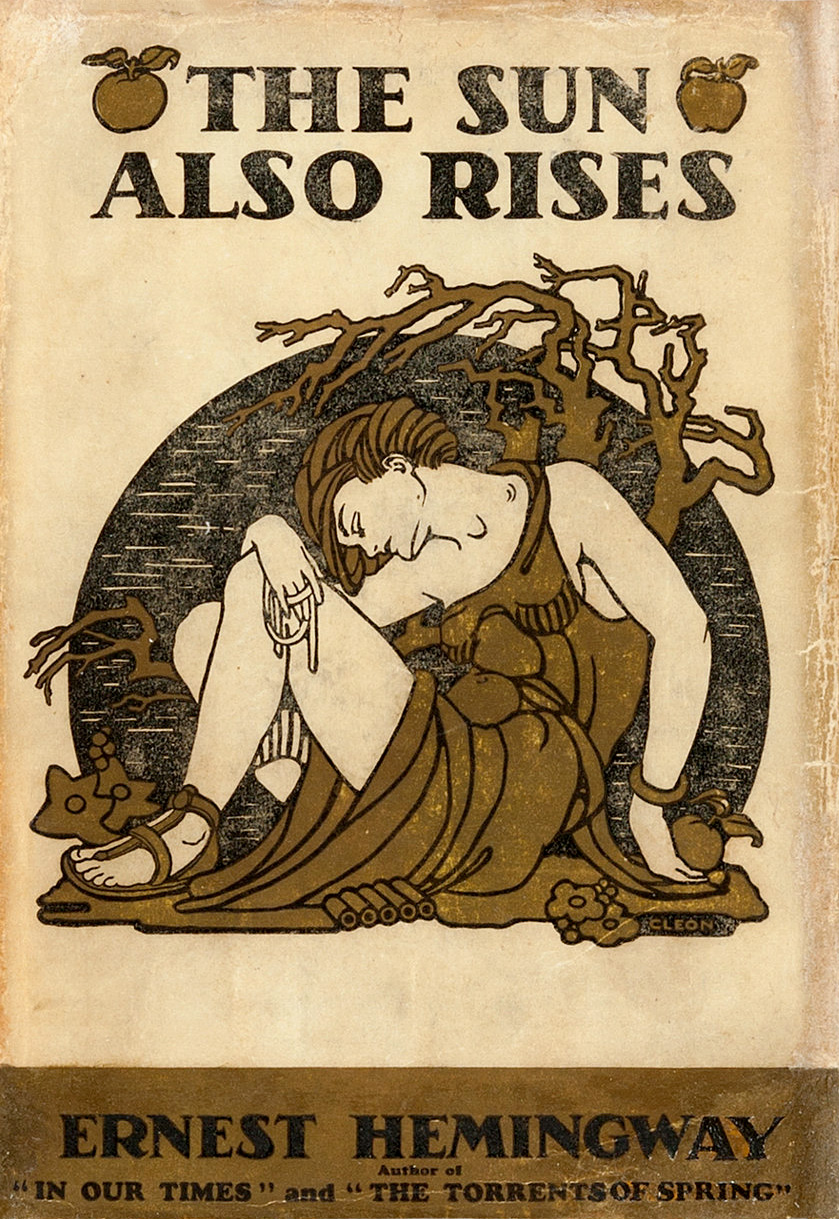
Published in October 1926 by Scribner's, "The Sun Also Rises" is Ernest Hemingway's first major novel, following his experimental "In Our Time." The novel is a roman à clef, drawing heavily from Hemingway's own experiences in Paris and a trip to Spain in 1925. It portrays a group of American and British expatriates grappling with the existential void left by World War I, a generation famously termed the "Lost Generation" by Gertrude Stein. The narrative follows protagonist Jake Barnes, a wounded war veteran working as a journalist in Paris, and his complex relationships with Lady Brett Ashley and other expatriates as they travel through France and Spain, seeking meaning amidst parties, bullfights, and disillusionment. The novel's themes of masculinity, sexuality, and the search for integrity in an immoral world are explored through spare, evocative prose, characteristic of Hemingway's "Iceberg Theory."
⚙️ How It Works
The narrative of "The Sun Also Rises" unfolds through the eyes of Jake Barnes, an American expatriate journalist in Paris whose war wound has left him impotent. The plot centers on Jake's unrequited love for Lady Brett Ashley, a divorced Englishwoman who embodies the new sexual freedoms of the 1920s but struggles with her own aimlessness. Their circle of friends, including Robert Cohn, Bill Gorton, and Mike Campbell, embark on a journey from Paris to Pamplona, Spain, for the Festival of San Fermín. The story details their experiences with drinking, bullfighting, and interpersonal conflicts, highlighting the emotional and moral emptiness of the "Lost Generation." The novel's structure, divided into three books, mirrors the characters' aimless wandering and their futile search for fulfillment, as explored in analyses by SparkNotes and Britannica.
🌍 Cultural Impact
"The Sun Also Rises" had a significant cultural impact, solidifying Hemingway's reputation as a major literary voice of the 20th century and becoming a defining work for the "Lost Generation." The novel's portrayal of post-war disillusionment, its exploration of themes like masculinity and the destructiveness of sex, and its distinctive minimalist prose influenced countless writers and captured the zeitgeist of the era. Critics like Virginia Woolf praised Hemingway's sharp, economical style, even while some found the novel's content controversial. The book's enduring themes and characters continue to be analyzed and discussed, appearing in literary studies from CliffsNotes to LitCharts, and its influence can be seen in subsequent explorations of existentialism and the human condition.
🔮 Legacy & Future
Considered one of Hemingway's masterpieces, "The Sun Also Rises" remains a classic of American literature, continuously in print since its publication. Its exploration of the "Lost Generation's" struggle to find meaning in a world irrevocably altered by war continues to resonate with readers. The novel's themes of aimlessness, male insecurity, and the complex interplay of sex and love are timeless, offering a poignant reflection on the human search for purpose. While some may dismiss it as a "period piece," its enduring characters and profound examination of existential concerns, as discussed on platforms like Reddit and in literary analyses, ensure its continued relevance and legacy in understanding the post-war psyche and the broader human experience.
Key Facts
- Year
- 1926
- Origin
- United States
- Category
- culture
- Type
- work
Frequently Asked Questions
Who wrote "The Sun Also Rises"?
"The Sun Also Rises" was written by Ernest Hemingway and was first published in 1926.
What is the "Lost Generation"?
The "Lost Generation" is a term coined by Gertrude Stein to describe the generation that came of age during World War I. They were characterized by their disillusionment, aimlessness, and a sense of moral and spiritual void following the war's devastation.
What are the main themes explored in "The Sun Also Rises"?
The novel explores themes such as the disillusionment of the "Lost Generation," the complexities of masculinity and male insecurity, the destructive nature of sex and relationships, the search for meaning and integrity, and the impact of war on individuals and society. Hemingway's distinctive "Iceberg Theory" of writing, which emphasizes omission and subtext, is also a key aspect of the novel's thematic exploration.
What is the significance of the title "The Sun Also Rises"?
The title, taken from Ecclesiastes, suggests a cyclical nature of life and endurance, contrasting with the perceived "lost" state of the generation. It implies that despite human transience and suffering, life and the natural world continue. The title also obliquely references Jake Barnes's impotence, as noted by Britannica.
What is the plot of "The Sun Also Rises"?
The novel follows Jake Barnes, a World War I veteran and journalist in Paris, and his circle of expatriate friends as they travel through France and Spain. The narrative focuses on their relationships, particularly Jake's unrequited love for Lady Brett Ashley, their participation in the Pamplona bullfighting festival, and their collective struggle to find purpose and meaning in a post-war world marked by disillusionment and moral ambiguity.
References
- en.wikipedia.org — /wiki/The_Sun_Also_Rises
- britannica.com — /topic/The-Sun-Also-Rises
- sparknotes.com — /lit/sun/plot-analysis/
- sparknotes.com — /lit/sun/summary/
- reddit.com — /r/literature/comments/vreuip/the_sun_also_rises_thoughts_after_reading/
- amazon.com — /Sun-Also-Rises-Ernest-Hemingway/dp/0743297334
- reddit.com — /r/books/comments/yl15wc/hemingways_the_sun_also_rises_what_am_i_missing/
- blackfoxlitmag.com — /2021/06/23/the-sun-also-rises-an-appreciation-by-david-massey/