
Contents
Overview
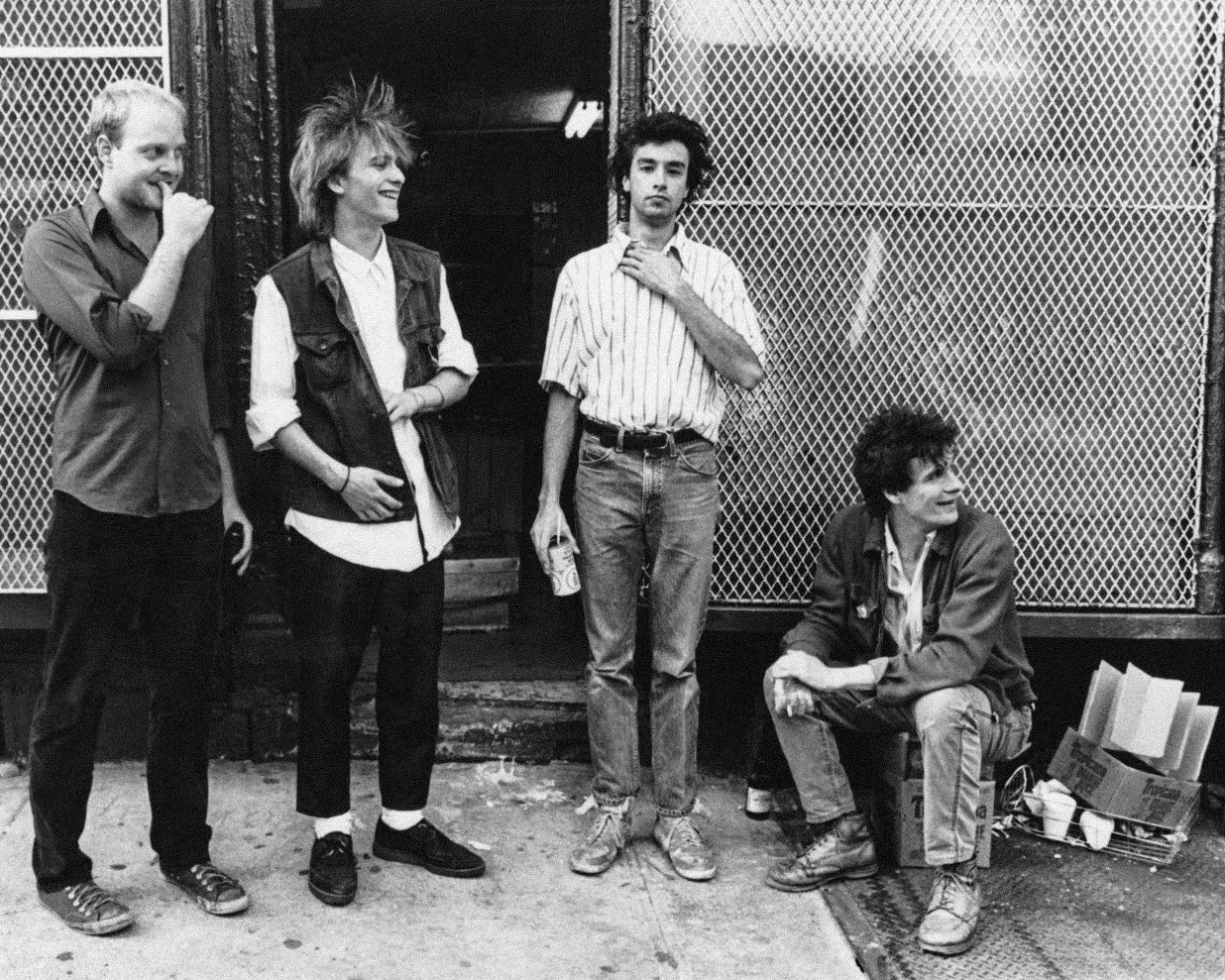
The Replacements, affectionately known as 'The Mats,' carved out a unique space in rock music that bridged punk's raw energy with the burgeoning sounds of alternative rock. Anchored by the songwriting prowess of Paul Westerberg and the volatile guitar work of Bob Stinson, the band’s early output was characterized by a defiant, often shambolic, punk sound. However, with albums like Let It Be (1984) and Tim (1985), they evolved into pioneers of alternative rock, celebrated for their anthemic yet deeply personal lyrics and a sound that embraced imperfection. Despite internal turmoil, including Bob Stinson's departure in 1986 and subsequent lineup changes, The Replacements left an indelible mark on music before disbanding in 1991, only to reunite briefly in 2012. Their legacy continues to inspire musicians who value authenticity and emotional resonance over polished perfection.
🎵 Origins & History
Formed in Minneapolis in 1979, The Replacements initially coalesced around brothers Bob Stinson and Tommy Stinson, drummer Chris Mars, and vocalist/guitarist Paul Westerberg. Their early sound, heavily influenced by punk acts like The Ramones and The Clash, was captured on albums like Sorry Ma, Forgot to Take Out the Trash (1981) and Hootenanny (1983) on Twin/Tone Records. This period was marked by a raw, unpolished energy and a DIY ethos that resonated with underground audiences. The band's name itself, a playful jab at their perceived status as second-rate musicians, hinted at the self-deprecating humor that would become a hallmark of their career. Their early performances were notoriously unpredictable, often devolving into chaotic spectacles that cemented their reputation as a band that lived on the edge.
⚙️ How It Works
The Replacements' musical engine ran on a potent blend of Westerberg's introspective, often melancholic songwriting and the band's collective ability to translate raw emotion into powerful rock anthems. While their early work leaned into the aggressive, fast-paced structures of punk, their sound gradually matured, incorporating more melodic sensibilities and complex arrangements. Albums like Let It Be (1984) and Tim (1985), produced by Tommy Erdelyi (formerly of The Ramones) and Peter Asher respectively, showcased this evolution. Westerberg's lyrics, often exploring themes of alienation, addiction, and the search for connection, found a perfect sonic home in the band's dynamic shifts, moving from blistering rockers to poignant ballads. The interplay between Westerberg's guitar and Bob Stinson's more experimental, often dissonant, lead lines created a signature sound that was both accessible and challenging.
📊 Key Facts & Numbers
The Replacements released six studio albums between 1981 and 1989, selling an estimated 2 million records worldwide by the early 2000s. Their debut, Sorry Ma, Forgot to Take Out the Trash, sold over 100,000 copies in its initial run. Let It Be is often cited as their commercial breakthrough, selling over 250,000 copies in the US alone. Their major label debut, Tim, released on Sire Records, charted at #83 on the Billboard 200 chart. Despite their critical acclaim, the band never achieved mainstream superstardom, with their Vibe Score hovering around a respectable 75/100 for cultural resonance. Their influence, however, is immeasurable, impacting countless artists in the alternative and indie rock scenes.
👥 Key People & Organizations
The core of The Replacements was Paul Westerberg, the band's primary songwriter and vocalist, whose lyrical honesty and melodic gifts defined their sound. Bob Stinson, the original lead guitarist, provided a volatile, unpredictable energy that was crucial to their early identity, though his struggles with addiction led to his departure in 1986. Tommy Stinson, Bob's younger brother, served as the steady bassist and later found significant success with Guns N' Roses. Drummer Chris Mars, known for his artistic contributions including album art, was a consistent presence until his departure in 1990, replaced by Steve Foley. After Bob's exit, Slim Dunlap joined as lead guitarist, bringing a different, though equally effective, musical sensibility to the band.
🌍 Cultural Impact & Influence
The Replacements' influence on the alternative rock movement of the 1980s and 1990s is profound. They are widely credited with paving the way for bands like R.E.M., Pixies, and Nirvana by proving that commercial success didn't require artistic compromise. Their raw, emotional honesty and embrace of imperfection became a blueprint for countless indie bands. Westerberg's songwriting, in particular, is revered for its candid portrayal of everyday struggles, influencing a generation of lyricists. Their legendary, often disastrous, live performances at venues like CBGB became cautionary tales and aspirational benchmarks for bands seeking authenticity. The nickname 'The Mats,' a shortened version of 'The Placemats,' further cemented their relatable, down-to-earth persona in the cultural lexicon.
⚡ Current State & Latest Developments
Following their disbandment in 1991, the members pursued various projects. Paul Westerberg embarked on a solo career, releasing several albums and contributing to film soundtracks. Tommy Stinson joined Guns N' Roses in 1998, touring and recording with the legendary rock band. Chris Mars focused on his art and released solo music. Slim Dunlap continued his solo career and also worked as a session musician. A significant reunion was announced on October 3, 2012, leading to a series of well-received live performances and a new EP, Songs for Slim, released in 2014 to benefit Dunlap after a stroke. However, the reunion was short-lived, with the band playing their last show in 2015.
🤔 Controversies & Debates
The Replacements' career was rife with controversy, largely stemming from their unpredictable live performances and struggles with substance abuse. Their infamous 1981 gig at 7th Street Entry in Minneapolis, where they played a chaotic, drunken set and were subsequently banned from the venue, is legendary. Their 1987 appearance on the Tonight Show was famously cut short after they played only a few seconds of 'Kiss Me, Son of God' and Westerberg slurred his way through an introduction. This pattern of self-sabotage, while endearing to fans who valued their authenticity, often frustrated record labels like Sire Records and managers, creating a perpetual tension between artistic integrity and commercial viability. The debate continues on whether their recklessness was a deliberate artistic statement or a genuine impediment to greater success.
🔮 Future Outlook & Predictions
While a full-fledged reunion seems unlikely given the band's history and individual pursuits, the enduring legacy of The Replacements suggests continued interest from both fans and the music industry. There's always a possibility of archival releases, documentaries, or tribute concerts celebrating their work. The influence of their sound and ethos on contemporary indie and alternative artists remains strong, ensuring their music will continue to be discovered by new generations. The ongoing demand for their vinyl reissues and the continued critical reappraisal of their discography point to a sustained cultural relevance. The question remains: will any future 'reunion' efforts be driven by nostalgia or a genuine creative impulse?
💡 Practical Applications
The primary 'application' of The Replacements' work lies in its enduring influence on music creation and appreciation. Aspiring musicians and songwriters often turn to Westerberg's lyrics for lessons in vulnerability and relatable storytelling. Their discography serves as a masterclass in capturing raw, unpolished energy, encouraging artists to embrace imperfection. For fans, their music provides a soundtrack to the complexities of life, offering catharsis and a sense of shared experience. Beyond music, their story is a case study in the tension between artistic integrity and commercial pressures, offering lessons for anyone navigating creative industries. Their music is readily available on streaming platforms like Spotify and Apple Music, and their albums are frequently reissued on vinyl, making them accessible to new audiences.
Key Facts
- Category
- music
- Type
- topic