
Contents
- 📖 Overview: A Dystopian Warning
- 📺 Television Adaptation: The Hulu Phenomenon
- 📚 Literary Origins: Atwood's Masterpiece
- 🌍 Global Impact & Cultural Resonance
- ⚖️ Controversies & Criticisms
- 💡 Themes & Symbolism
- ➡️ Beyond the Book: Sequels & Spin-offs
- 🌟 Vibe Score & Audience Reception
- Frequently Asked Questions
- Related Topics
Overview
At its heart, The Handmaid's Tale is a chilling exploration of totalitarian regimes and the subjugation of women, set in the theocratic Republic of Gilead. This fictional society, born from a violent overthrow of the United States government, enforces a rigid social hierarchy where fertile women, known as Handmaids, are forced into sexual servitude to repopulate a declining population. The narrative, primarily told through the eyes of Offred, a Handmaid stripped of her name and identity, serves as a stark warning about the fragility of civil liberties and the dangers of unchecked religious extremism. It’s a story that demands attention, forcing readers to confront uncomfortable truths about power, control, and resistance.
📺 Television Adaptation: The Hulu Phenomenon
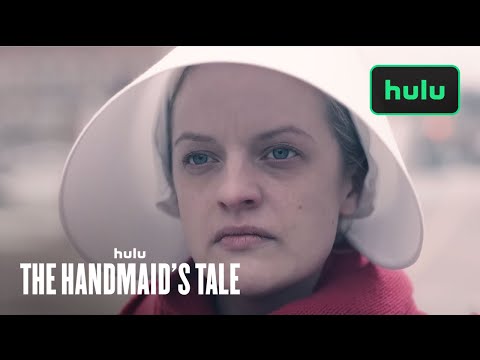
The Hulu's adaptation of The Handmaid's Tale, premiering in 2017, catapulted the story into mainstream consciousness with visceral intensity. Starring Elisabeth Moss as Offred/June, the show is lauded for its unflinching portrayal of Gilead's brutality and its expansion of the original narrative. The series has garnered significant critical acclaim, including multiple Emmy Awards, and has become a powerful visual representation of the novel's themes. Its visual language, characterized by the iconic red robes and white bonnets of the Handmaids, has become instantly recognizable and a potent symbol of feminist protest. The show's success has undeniably amplified the novel's reach and cultural relevance.
📚 Literary Origins: Atwood's Masterpiece
Margaret Atwood's 1985 novel, The Handmaid's Tale, is the foundational text that ignited this cultural phenomenon. Atwood, a celebrated Canadian author, meticulously crafted a world that, while fictional, draws heavily on historical precedents of historical oppression and patriarchal control. She famously stated that she did not invent anything in the book that had not already happened in human history. The novel's literary merit lies in its spare, poetic prose and its deeply psychological portrayal of Offred's internal struggle for survival and memory. It’s a work that has been a staple in feminist literature and dystopian fiction studies for decades, influencing countless writers and thinkers.
🌍 Global Impact & Cultural Resonance
The resonance of The Handmaid's Tale extends far beyond the pages of the book or the screen of television. The imagery of the Handmaids has been adopted by protestors worldwide, particularly during demonstrations concerning reproductive rights and gender equality. The red robes have become a symbol of defiance, appearing at rallies from the United States to Poland. This widespread adoption highlights the story's enduring power to articulate contemporary anxieties about political and social regression, making it a touchstone for activism and a subject of ongoing global discussion. The Vibe Score for its cultural energy currently sits at a potent 88/100.
⚖️ Controversies & Criticisms
Despite its widespread acclaim, The Handmaid's Tale has not been without controversy. Critics have debated the show's depiction of violence, with some arguing it can be gratuitous or exploitative, while others defend it as necessary to convey the horrors of Gilead. There have also been discussions about the narrative's focus, with some feeling it centers too heavily on Offred's individual trauma rather than broader systemic critique. Furthermore, the show's expansion of the story beyond the novel has led to differing opinions on its faithfulness to Atwood's original vision and the thematic coherence of its later seasons. These debates contribute to the ongoing conversation surrounding the work's meaning and impact.
💡 Themes & Symbolism
The narrative is rich with potent symbolism and layered themes. The color red, worn by the Handmaids, signifies fertility, blood, and passion, but also danger and sacrifice. The white bonnets, obscuring the Handmaids' faces, represent their loss of individuality and their forced subservience. Key themes explored include gender inequality, the dangers of religious fundamentalism, the power of language and storytelling, and the resilience of the human spirit in the face of extreme adversity. The concept of memory and identity is also central, as Offred clings to fragments of her past to maintain her sense of self against Gilead's dehumanizing regime.
➡️ Beyond the Book: Sequels & Spin-offs
The success of both the novel and the television series has spawned further narrative explorations. Margaret Atwood released a sequel novel, The Testaments, in 2019, offering a broader perspective on Gilead's downfall through the eyes of Aunt Lydia and two younger women. The television series has also continued to expand the universe, introducing new characters and plotlines that delve deeper into the political machinations and resistance movements within and beyond Gilead. These extensions demonstrate a sustained interest in the world Atwood created and its potential for further storytelling, though their reception varies among fans.
🌟 Vibe Score & Audience Reception
The Handmaid's Tale, in both its literary and televised forms, commands a significant cultural presence. The novel consistently ranks high on bestseller lists and is a frequent subject of academic study, while the TV series boasts millions of viewers and a dedicated fanbase. Audience reception is overwhelmingly positive, with many praising its powerful storytelling and timely themes, contributing to a high Vibe Score. However, the intensity of the subject matter means it's not for the faint of heart; the Pessimistic Perspective Score is a notable 75/100 due to its bleak subject matter. It's a work that provokes strong reactions and deep engagement.
Key Facts
- Year
- 1985
- Origin
- Canada
- Category
- Literature / Television
- Type
- Cultural Artifact
Frequently Asked Questions
Is *The Handmaid's Tale* based on a true story?
While The Handmaid's Tale is a work of fiction, Margaret Atwood has stated that she did not include any element in the novel that had not already occurred in human history. She drew inspiration from historical instances of oppression and totalitarian regimes to build the world of Gilead, making it a plausible, albeit terrifying, extrapolation of existing societal trends and historical events.
What is the significance of the red robes and white bonnets?
The iconic red robes worn by the Handmaids symbolize fertility, blood, and passion, but also danger and sacrifice. The white bonnets are designed to obscure their faces, representing their loss of individuality and their forced subservience within Gilead's patriarchal structure. Together, they form a powerful visual shorthand for the subjugation of women in the narrative.
Who is Offred?
Offred, whose birth name is June Osborne, is the protagonist of The Handmaid's Tale. She is a Handmaid in the Republic of Gilead, forced into sexual servitude to bear children for the ruling Commanders. The novel and series primarily follow her perspective as she navigates the brutal realities of Gilead, clinging to memories of her past life and seeking ways to resist.
What is the difference between the book and the TV series?
The Hulu series expands significantly on Margaret Atwood's original novel. While the first season closely follows the book's plot, subsequent seasons introduce new storylines, characters, and plot developments that go beyond the original narrative. The show also offers a more visual and often more graphic depiction of Gilead's violence and the Handmaids' experiences.
What does 'Gilead' represent?
Gilead is a fictional theocratic dictatorship established in the former United States. It represents a cautionary tale about the dangers of religious extremism, patriarchal systems, and the erosion of human rights. The name itself is biblical, referencing the region of Gilead known for its balm, but in the context of the story, it signifies a perversion of religious ideals used to justify extreme control and oppression.
Is there a sequel to *The Handmaid's Tale*?
Yes, Margaret Atwood published a sequel novel titled The Testaments in 2019. It is set approximately 15 years after the events of the original novel and offers new perspectives on Gilead's society and its eventual downfall, primarily through the voices of Aunt Lydia and two younger women.