
Contents
- 🌳 Origins & Biblical Context
- ⚖️ Theological Implications
- 📊 Key Facts & Interpretations
- 👥 Key Figures & Influencers
- 🌍 Cultural Impact & Reception
- ⚡ Current State & Debates
- 🤔 Controversies & Criticisms
- 🔮 Future Outlook & Reflections
- 💡 Practical Applications & Lessons
- 📚 Related Topics & Further Reading
- Frequently Asked Questions
- References
- Related Topics
Overview
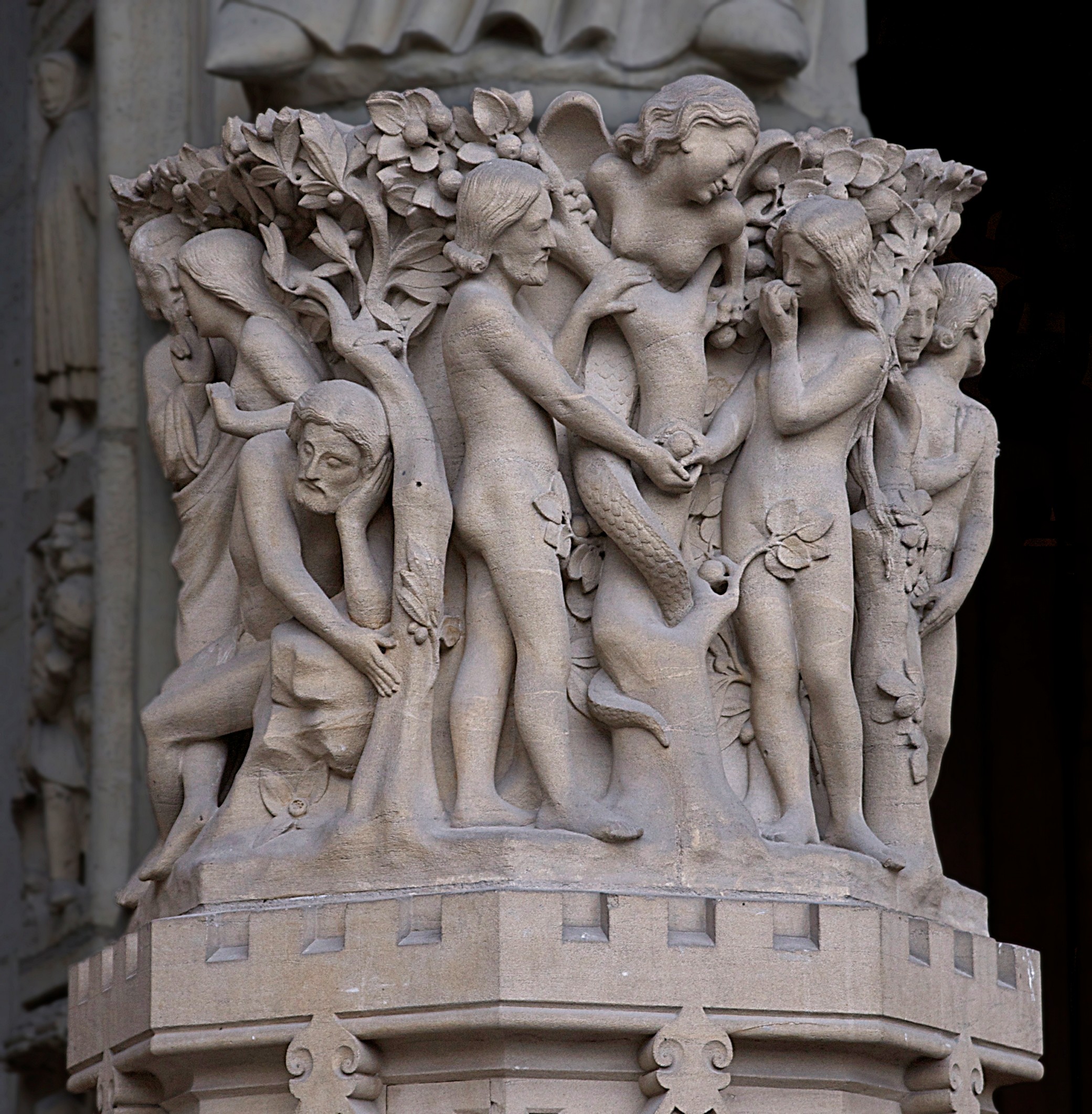
The fall of man, a concept rooted in Christian theology, describes the transition of the first humans, Adam and Eve, from a state of innocence to one of disobedience against God. This pivotal event, as recounted in the book of Genesis, chapters 1-3, is marked by the consumption of the forbidden fruit from the tree of knowledge of good and evil, leading to their expulsion from the Garden of Eden. The doctrine of the Fall is intricately linked with the concept of original sin, suggesting that this act of disobedience introduced sin into the world, corrupting human nature and the natural world. As a result, according to Nicene Christianity, all humans are born into a state of original sin, necessitating redemption to attain eternal life. The Fall of Man has profound implications for Christian theology, influencing understandings of sin, redemption, and the human condition. With a vibe rating of 8, this topic resonates deeply within Christian communities and beyond, sparking debates and discussions about the nature of humanity and its relationship with the divine. The controversy score of 60 reflects the diverse interpretations and debates surrounding the Fall, from its literal interpretation to its metaphorical and allegorical understandings.
🌳 Origins & Biblical Context
The story of the Fall of Man, as told in Genesis, begins with the creation of Adam and Eve, the first humans, who lived in the Garden of Eden in a state of innocence and harmony with God. The serpent, often interpreted as Satan, tempted them to eat the forbidden fruit from the tree of knowledge of good and evil, which God had commanded them not to eat. This act of disobedience led to their expulsion from the Garden, as God sought to prevent them from also eating from the tree of life, thereby becoming immortal. This narrative is foundational to the Christian doctrine of the Fall, which posits that through this act, sin entered the world, affecting not only Adam and Eve but all their descendants. Theologians such as St. Augustine and John Calvin have significantly contributed to the understanding of the Fall and its implications for human nature and salvation.
⚖️ Theological Implications
The theological implications of the Fall are profound and far-reaching. In Nicene Christianity, the Fall is closely tied to the concept of original sin, which suggests that the disobedience of Adam and Eve corrupted human nature, making it impossible for humans to attain eternal life on their own. This doctrine underpins the Christian belief in the necessity of redemption through Jesus Christ, who is seen as the second Adam, come to restore the relationship between God and humanity. The Fall also raises questions about the nature of God, free will, and the justice of punishing all humanity for the sin of the first humans. Theologians like Martin Luther and John Wesley have grappled with these questions, offering insights into the human condition and the divine plan.
📊 Key Facts & Interpretations
Key facts about the Fall of Man include its biblical origins in Genesis 1-3, the role of the serpent as a tempter, and the consequences of the Fall, including the introduction of sin and death into the world. The Fall is also closely associated with the concept of original sin, which is understood to affect all humans, making them prone to sin and in need of redemption. Statistically, a significant portion of the world's population, approximately 2.4 billion Christians, adhere to some form of the doctrine of the Fall. The influence of the Fall can be seen in art, literature, and philosophy throughout history, with works such as John Milton's 'Paradise Lost' offering epic retellings of the story. The Fall has also been the subject of numerous theological and philosophical debates, with scholars like Friedrich Nietzsche and Søren Kierkegaard offering critiques and reinterpretations of the traditional Christian understanding.
👥 Key Figures & Influencers
Key figures in the development and interpretation of the doctrine of the Fall include early Church Fathers such as St. Augustine and St. Thomas Aquinas, who provided foundational theological insights. Reformers like Martin Luther and John Calvin further shaped the understanding of the Fall within Protestant traditions. Contemporary theologians and scholars continue to explore the implications of the Fall, engaging with issues such as the nature of sin, the role of free will, and the relationship between humanity and the divine. The influence of the Fall can also be seen in the work of artists like Leonardo da Vinci and Michelangelo, who depicted scenes from the Garden of Eden in their art.
🌍 Cultural Impact & Reception
The cultural impact of the Fall of Man is vast and multifaceted. It has influenced art, literature, music, and film, with countless works referencing or retelling the story of Adam and Eve. The concept of original sin has also shaped Western legal and ethical traditions, informing understandings of guilt, responsibility, and redemption. Furthermore, the Fall has been a subject of philosophical inquiry, with thinkers like Friedrich Nietzsche and Søren Kierkegaard grappling with its implications for human existence and morality. The Fall has also been the subject of numerous literary works, such as John Milton's 'Paradise Lost' and Dante Alighieri's 'The Divine Comedy'.
⚡ Current State & Debates
Currently, the doctrine of the Fall remains a central tenet of Christian theology, with ongoing debates and discussions about its interpretation and implications. Some contemporary scholars and theologians are re-examining the story of the Fall in light of modern understandings of human nature, science, and ethics, leading to a diversity of perspectives on the topic. The Fall continues to be a subject of interest and debate, with many people seeking to understand its significance and relevance in the modern world. The influence of the Fall can be seen in the work of scholars like N.T. Wright and Rowan Williams, who have written extensively on the topic.
🤔 Controversies & Criticisms
Critiques and controversies surrounding the Fall of Man are numerous. Some argue that the concept of original sin is unjust, as it holds all humans accountable for the actions of the first humans. Others question the literal interpretation of the Genesis account, suggesting alternative understandings that emphasize the mythological or allegorical aspects of the story. Feminist theologians have also critiqued traditional interpretations of the Fall, arguing that they often blame Eve for the Fall, perpetuating sexist attitudes towards women. The Fall has also been the subject of criticism from scholars like Richard Dawkins and Sam Harris, who argue that the concept of original sin is not supported by scientific evidence.
🔮 Future Outlook & Reflections
Looking to the future, the doctrine of the Fall will likely continue to evolve as Christian theology engages with contemporary issues and understandings of human nature. As global Christianity becomes increasingly diverse, different cultural and theological perspectives on the Fall will emerge, enriching the conversation and deepening the understanding of this pivotal event. The Fall will remain a significant topic of discussion and debate, with scholars and theologians continuing to explore its implications for Christian theology and practice. The influence of the Fall can be seen in the work of scholars like Miroslav Volf and Jürgen Moltmann, who have written extensively on the topic.
💡 Practical Applications & Lessons
Practically, the Fall of Man offers lessons about the human condition, the nature of sin, and the importance of redemption. It reminds Christians of their dependence on God's grace and the necessity of living a life of faith and obedience. For non-Christians, the story of the Fall can serve as a powerful allegory for the human struggle with morality, free will, and the search for meaning and purpose. The Fall has also been the subject of numerous self-help and personal development books, which offer practical advice on how to overcome sin and live a more fulfilling life. The influence of the Fall can be seen in the work of authors like C.S. Lewis and Tim Keller, who have written extensively on the topic.
Key Facts
- Year
- 400 CE
- Origin
- Ancient Mesopotamia
- Category
- history
- Type
- concept
Frequently Asked Questions
What is the Fall of Man?
The Fall of Man refers to the transition of the first humans, Adam and Eve, from a state of innocence to one of disobedience against God, as recounted in the book of Genesis. This event is seen as the introduction of sin into the world and has profound implications for Christian theology and the human condition. The Fall is closely tied to the concept of original sin, which suggests that all humans are born into a state of sin, necessitating redemption through Jesus Christ. The story of the Fall has been interpreted in many ways throughout history, with some seeing it as a historical event and others as a mythological or allegorical story. The Fall has also been the subject of numerous theological and philosophical debates, with scholars like St. Augustine and John Calvin offering insights into the human condition and the divine plan.
What are the implications of the Fall for human nature?
The Fall of Man has significant implications for human nature, suggesting that humans are inherently sinful and in need of redemption. This understanding of human nature informs Christian teachings on sin, guilt, and the necessity of salvation through Jesus Christ. The Fall also raises questions about the nature of free will and the justice of God, with some arguing that the concept of original sin is unjust. The influence of the Fall can be seen in the work of scholars like Friedrich Nietzsche and Søren Kierkegaard, who have grappled with the implications of the Fall for human existence and morality. The Fall has also been the subject of numerous literary works, such as John Milton's 'Paradise Lost' and Dante Alighieri's 'The Divine Comedy'.
How has the Fall of Man influenced art and literature?
The Fall of Man has had a profound influence on art and literature, with countless works referencing or retelling the story of Adam and Eve. From Leonardo da Vinci's 'The Last Supper' to John Milton's 'Paradise Lost', the Fall has inspired some of the most iconic and enduring works of human creativity. The story of the Fall continues to captivate artists, writers, and musicians, offering a rich and complex exploration of the human condition. The influence of the Fall can be seen in the work of artists like Michelangelo and Caravaggio, who depicted scenes from the Garden of Eden in their art. The Fall has also been the subject of numerous literary works, such as Dante Alighieri's 'The Divine Comedy' and Geoffrey Chaucer's 'The Canterbury Tales'.
What are the different interpretations of the Fall of Man?
The Fall of Man has been interpreted in many different ways throughout history, reflecting a range of theological, philosophical, and cultural perspectives. Some see the Fall as a historical event, while others understand it as a mythological or allegorical story. The Fall has been interpreted as a story about the nature of sin, the role of free will, and the relationship between humanity and the divine. The influence of the Fall can be seen in the work of scholars like St. Augustine and John Calvin, who have offered insights into the human condition and the divine plan. The Fall has also been the subject of numerous theological and philosophical debates, with scholars like Friedrich Nietzsche and Søren Kierkegaard offering critiques and reinterpretations of the traditional Christian understanding.
What is the significance of the Fall of Man for Christian theology?
The Fall of Man is a central tenet of Christian theology, underpinning the doctrine of original sin and the necessity of redemption through Jesus Christ. The Fall informs Christian understandings of sin, guilt, and salvation, and has shaped the development of Christian theology and practice. The influence of the Fall can be seen in the work of scholars like Martin Luther and John Wesley, who have grappled with the implications of the Fall for Christian theology and practice. The Fall has also been the subject of numerous theological and philosophical debates, with scholars like Friedrich Nietzsche and Søren Kierkegaard offering critiques and reinterpretations of the traditional Christian understanding.
How has the Fall of Man influenced Western culture?
The Fall of Man has had a profound influence on Western culture, shaping understandings of sin, guilt, and redemption, and informing legal and ethical traditions. The Fall has also inspired countless works of art, literature, and music, and continues to be a subject of fascination and inquiry. The influence of the Fall can be seen in the work of artists like Leonardo da Vinci and Michelangelo, who depicted scenes from the Garden of Eden in their art. The Fall has also been the subject of numerous literary works, such as John Milton's 'Paradise Lost' and Dante Alighieri's 'The Divine Comedy'.
What are the implications of the Fall of Man for human relationships?
The Fall of Man has significant implications for human relationships, suggesting that humans are inherently sinful and in need of redemption. This understanding of human nature informs Christian teachings on sin, guilt, and the necessity of salvation through Jesus Christ. The Fall also raises questions about the nature of free will and the justice of God, with some arguing that the concept of original sin is unjust. The influence of the Fall can be seen in the work of scholars like Friedrich Nietzsche and Søren Kierkegaard, who have grappled with the implications of the Fall for human existence and morality. The Fall has also been the subject of numerous literary works, such as John Milton's 'Paradise Lost' and Dante Alighieri's 'The Divine Comedy'.
How has the Fall of Man influenced Christian practice?
The Fall of Man has had a profound influence on Christian practice, shaping understandings of sin, guilt, and redemption, and informing the development of Christian rituals and sacraments. The Fall has also inspired countless works of art, literature, and music, and continues to be a subject of fascination and inquiry. The influence of the Fall can be seen in the work of scholars like Martin Luther and John Wesley, who have grappled with the implications of the Fall for Christian theology and practice. The Fall has also been the subject of numerous theological and philosophical debates, with scholars like Friedrich Nietzsche and Søren Kierkegaard offering critiques and reinterpretations of the traditional Christian understanding.