
Contents
Overview
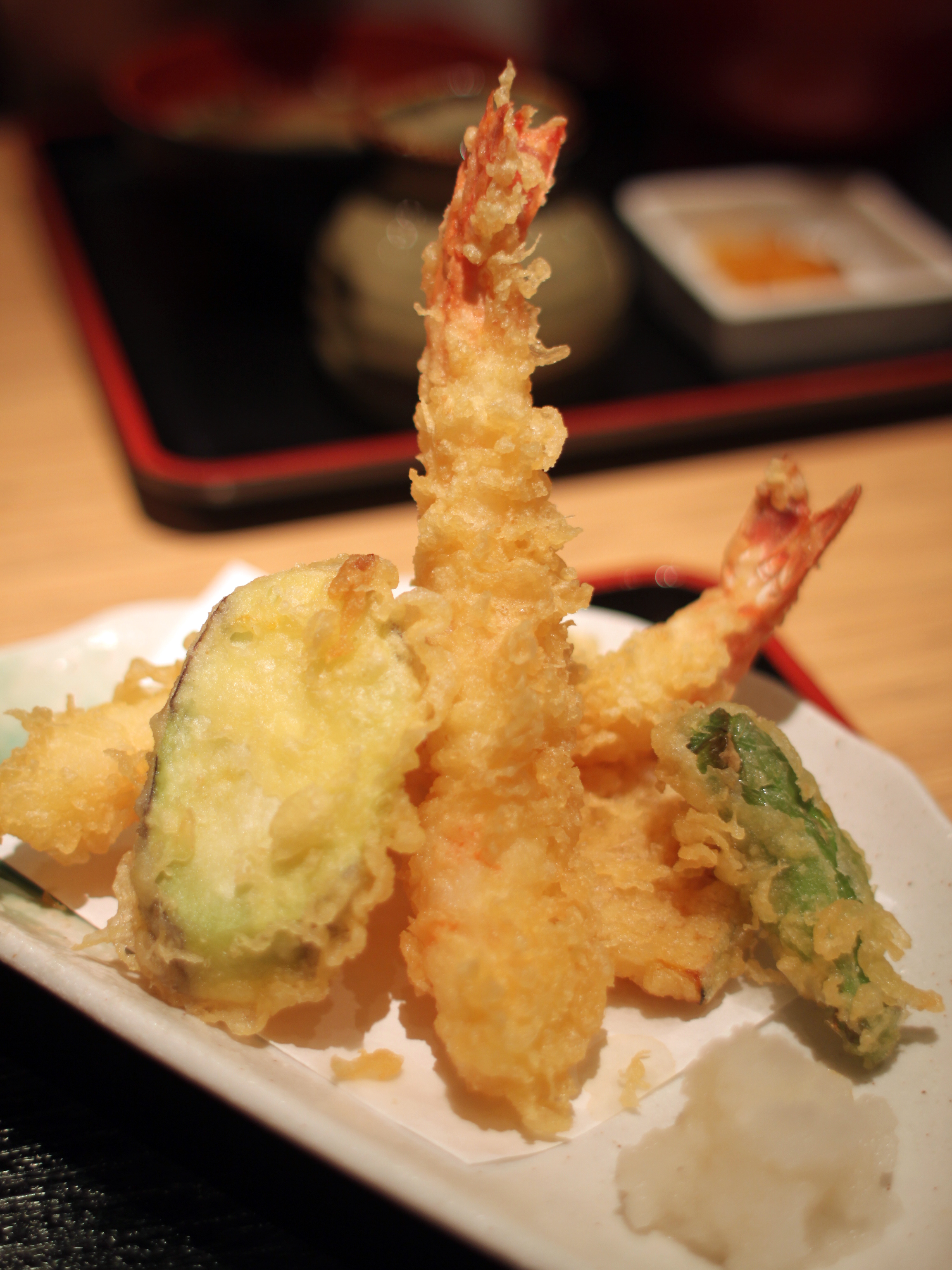
Tempura is a celebrated Japanese dish featuring a delicate batter encasing ingredients like seafood and vegetables, then deep-fried to a perfect crisp. Its origins trace back to the 16th century, a fascinating fusion born from Portuguese culinary influence introduced through the Nanban trade. This technique, involving coating food in batter and frying, became a cornerstone of Japanese cuisine, evolving into the refined art form known today. With a Vibe Score of 85, tempura embodies a harmonious blend of simplicity and sophistication, a testament to its enduring appeal across centuries and cultures. Its preparation demands precision, from the batter's consistency to the oil's temperature, making it a dish that is both accessible and an object of culinary mastery.
🎵 Origins & History
The genesis of tempura is a captivating narrative of cultural cross-pollination, not a purely indigenous Japanese invention. Historians widely attribute its introduction to Portuguese traders and missionaries in the mid-16th century, particularly during the Nanban trade period. These early encounters, primarily in Nagasaki, brought Western frying techniques, including the practice of battering and deep-frying food, which the Japanese adapted. The term 'tempura' itself is believed to derive from the Portuguese word 'tempero,' meaning seasoning or preparation. Early forms were likely simpler, focusing on readily available ingredients, but the core concept of a crispy, fried coating took root, eventually becoming a distinct element of Japanese Edo cuisine.
⚙️ How It Works
The magic of tempura lies in its deceptively simple yet precise preparation. The batter is typically made from cold water, egg, and a low-gluten flour, such as rice flour or a specific tempura flour blend, mixed minimally to avoid developing gluten, which would result in a tough coating. Ingredients, ranging from succulent shrimp and delicate flounder to vibrant sweet potatoes and earthy shiitake mushrooms, are carefully selected and prepared. They are then dipped into the batter and immediately submerged in oil heated to a precise temperature, usually between 170-180°C (338-356°F). This rapid frying process cooks the food through while creating the signature light, airy, and shatteringly crisp exterior, a stark contrast to heavier, more doughy fried foods.
📊 Key Facts & Numbers
In Japan, dedicated tempura restaurants, known as 'tempura-ya,' account for a significant portion of the culinary scene. The global demand for tempura ingredients, particularly specialized flours and oils, also contributes to a substantial market share within the food processing sector.
👥 Key People & Organizations
While no single individual 'invented' tempura in its modern Japanese form, several chefs and establishments have become synonymous with its refinement. Master chefs like Kiyomi Kadota of Ginza Kojyu and Masahiro Yoshitake of Ginza Yoshitake are revered for their meticulous technique and dedication to the art of tempura. The Japan Culinary Institute and similar organizations play a role in preserving and teaching traditional methods. Historically, the Nanban trade itself, facilitated by figures like Francis Xavier and Portuguese merchants, laid the groundwork for this culinary exchange. The development of specialized tempura flours by companies like Nippon Flour Milling has also been crucial.
🌍 Cultural Impact & Influence
Tempura's influence extends far beyond Japanese shores, permeating global gastronomy and inspiring countless variations. It has become a staple in Japanese restaurants worldwide, from bustling New York City bistros to humble eateries in Paris. The aesthetic appeal of perfectly fried tempura, often presented artfully on lacquerware or ceramic plates, has influenced food styling and presentation. Its characteristic crispness has inspired chefs to experiment with similar battering and frying techniques for non-traditional ingredients, contributing to the broader trend of fusion cuisine. The dish's association with refined dining, particularly through omakase experiences, has also elevated its cultural cachet.
⚡ Current State & Latest Developments
Chefs are increasingly highlighting seasonal, local produce and ethically sourced seafood, pushing the boundaries of traditional tempura. Innovations in frying technology, such as advanced oil filtration systems and induction fryers, are enabling greater consistency and efficiency in both professional kitchens and home cooking. The rise of specialized tempura delivery services and meal kits in urban centers like Tokyo and Los Angeles indicates a growing demand for convenient, high-quality tempura. Furthermore, the exploration of plant-based tempura, utilizing alternative batters and ingredients, is gaining traction among health-conscious consumers.
🤔 Controversies & Debates
The primary debate surrounding tempura centers on authenticity versus innovation. Purists argue for adherence to strict traditional methods, emphasizing the precise batter-to-ingredient ratio and specific frying temperatures, often citing the Edo-era standards. Conversely, many chefs embrace experimentation, incorporating global ingredients or employing novel techniques, which some critics deem a departure from true tempura. Another point of contention is the 'best' oil for frying; while neutral oils like canola oil or rice bran oil are common, some chefs advocate for blends including sesame oil for added flavor, a practice debated for its impact on the delicate taste profile. The ideal consistency of the batter itself—whether it should be thicker for a more substantial coating or thinner for a lighter crisp—also sparks lively discussion among culinary professionals.
🔮 Future Outlook & Predictions
The future of tempura appears poised for continued innovation and global expansion. We can anticipate a greater focus on hyper-seasonal ingredients, with chefs curating tempura menus based on the freshest available produce and seafood, potentially leading to more regional variations. The integration of advanced culinary technologies, such as AI-powered temperature control for fryers, could further enhance consistency and reduce waste in high-volume establishments. Expect to see more plant-based and vegan tempura options, catering to a growing dietary consciousness, possibly utilizing novel batters derived from ingredients like chickpea flour or aquafaba. The trend towards experiential dining may also see the rise of interactive tempura stations where diners can witness the precise art of frying firsthand.
💡 Practical Applications
Tempura's primary application is as a culinary delight, served as a main course, appetizer, or component in dishes like tendon (tempura over rice) and tempura udon. Beyond the restaurant setting, tempura batter mix is a popular product sold in supermarkets, enabling home cooks to replicate the dish. The technique itself is taught in culinary schools worldwide, forming a fundamental skill for aspiring chefs. In food science, the principles of batter adhesion and rapid frying are studied to optimize texture and moisture retention in various fried products. The visual appeal of tempura also makes it a frequent subject in food photography and media, influencing culinary trends and consumer preferences.
Key Facts
- Category
- culture
- Type
- concept