
Contents
Overview
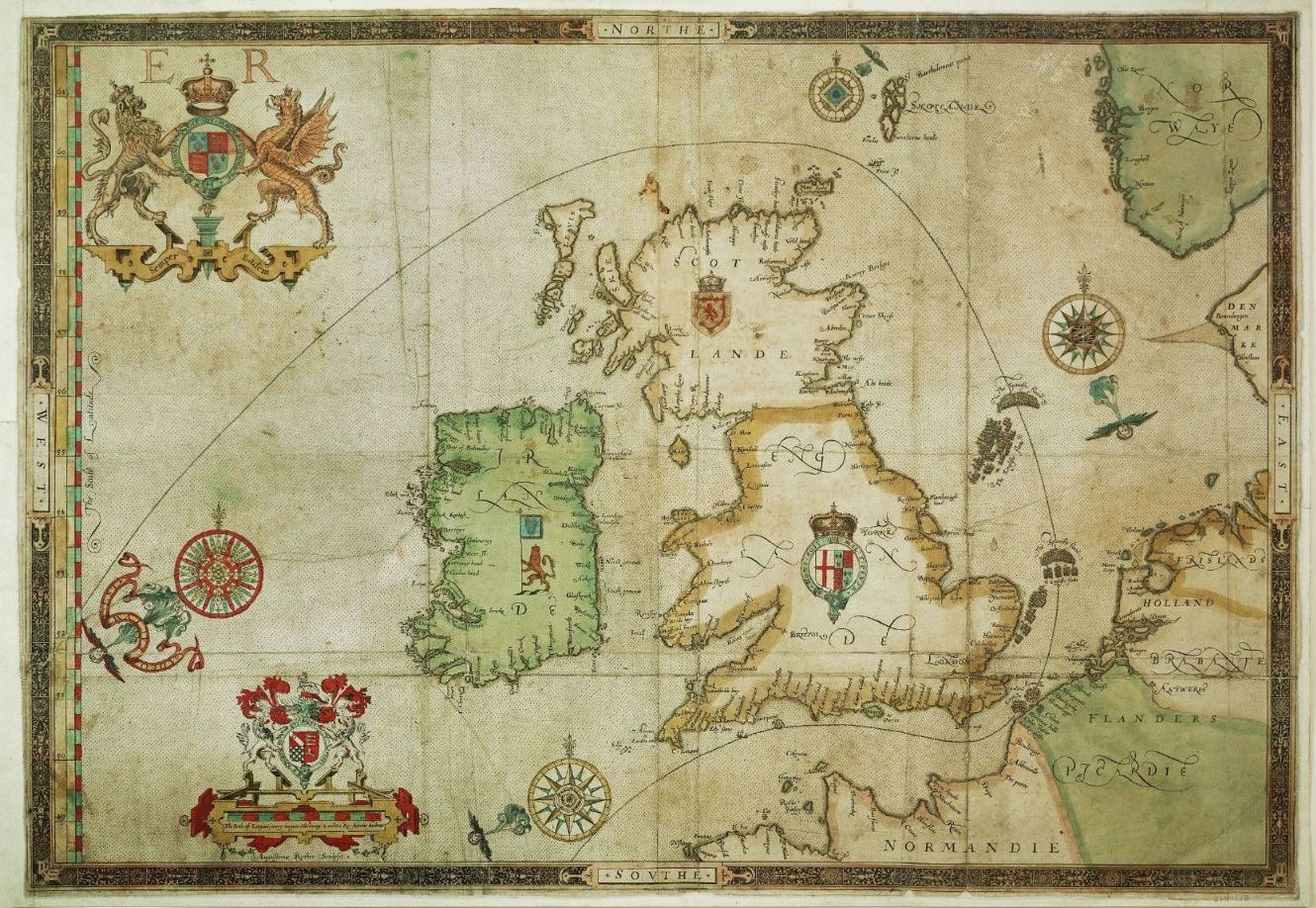
The genesis of the Spanish Armada lies in the complex geopolitical and religious tensions of the late 16th century. King Philip II of Spain viewed England under the Protestant Queen Elizabeth I as a significant threat. English support for Dutch rebels in the Spanish Netherlands, coupled with the daring raids of English privateers like Sir Francis Drake against Spanish treasure fleets in the New World, provided the casus belli. Philip envisioned a grand invasion, codenamed 'Enterprise of England,' to depose Elizabeth, end English interference in the Netherlands, and re-establish Catholicism. The Armada was meticulously planned over several years, drawing upon Spain's vast maritime resources and experience gained from decades of naval operations. Its construction and assembly began in earnest, culminating in its departure from Lisbon.
📊 Key Facts & Numbers
The Spanish Armada represented an unprecedented scale of naval power for its time. It comprised approximately 130 vessels, carrying around 30,000 men. The English fleet, though smaller with around 200 ships, had fewer large warships but possessed more gunnery expertise and faster vessels. The Armada's logistical challenge was immense; it required vast quantities of provisions. The cost of the expedition was astronomical, a sum that severely strained the Spanish treasury. The campaign lasted for roughly two months, covering hundreds of nautical miles.
👥 Key People & Organizations
The central figure on the Spanish side was King Philip II of Spain, the architect of the invasion. The fleet's commander was Alonso de Guzmán, Duke of Medina Sidonia, an experienced administrator but a novice admiral, appointed due to his high rank and loyalty. Key English figures included Lord Howard of Effingham, the Lord High Admiral, who held overall command, and Sir Francis Drake, a renowned privateer and vice-admiral, instrumental in harassing the Armada. Other notable English captains included Sir John Hawkins and Sir Martin Frobisher. On the Spanish side, the Duke of Parma commanded the land forces in Flanders, whose coordination was vital to the plan. The Jesuits played a significant role in advocating for the invasion, framing it as a religious crusade.
🌍 Cultural Impact & Influence
The defeat of the Spanish Armada had profound cultural and political repercussions. It was hailed as a miraculous deliverance in Protestant England, celebrated in sermons, plays, and commemorative medals bearing the inscription 'Flavit Jehovah et dissipati sunt' (God blew and they were scattered). This victory significantly boosted English national identity and the prestige of Queen Elizabeth I, solidifying her reign and the Protestant Reformation in England. For Spain, the failure was a major blow to its prestige and naval dominance, though its empire remained vast and powerful for decades. The event became a cornerstone of English maritime lore, inspiring generations of sailors and adventurers, and cementing England's emergence as a major European naval power. The narrative of the underdog victory against the mighty Spanish empire became a powerful national myth, influencing English self-perception for centuries.
⚡ Current State & Latest Developments
While the Spanish Armada itself is a historical event, the Spanish Navy (Armada Española) continues to be a significant force. As of 2024, the Spanish Navy operates a modern fleet including frigates, submarines, amphibious assault ships, and patrol vessels, playing a role in NATO operations and maritime security. The legacy of the 1588 Armada is preserved through naval traditions, historical sites like the Naval Museum of Ferrol, and ongoing archaeological efforts to locate and study shipwrecks from the campaign. Recent discoveries, such as the wreck of the galleass San Salvador off the coast of Ireland in 2019, continue to shed new light on the material culture and fate of the fleet. The Spanish Navy's official website, armada.mde.es, details its current missions and historical heritage.
🤔 Controversies & Debates
The primary controversy surrounding the Spanish Armada is the extent to which its defeat was due to English naval prowess versus uncontrollable factors like weather. While English tactics and gunnery were undoubtedly effective, the severe storms encountered by the retreating Spanish fleet, particularly off the coasts of Scotland and Ireland, were devastating. Some historians argue that the 'Invincible Armada' moniker was more propaganda than reality, given the fleet's inherent tactical and logistical limitations. Another debate centers on the religious motivations; while Philip II framed it as a holy war, critics point to the underlying political and economic ambitions. The effectiveness of the Duke of Medina Sidonia's command, despite his inexperience, is also a subject of discussion, with some defending his efforts under impossible circumstances.
🔮 Future Outlook & Predictions
The future of naval strategy continues to evolve, influenced by lessons from historical engagements like the Armada. While direct fleet-vs-fleet invasions of this scale are unlikely in the modern era of nuclear weapons and advanced missile technology, the principles of naval projection, securing sea lanes, and combined arms operations remain critical. Future naval conflicts might see increased reliance on autonomous systems, cyber warfare, and asymmetric tactics, moving away from the large, centralized fleets of the past. The ongoing importance of maritime power for global trade and security suggests that naval forces will continue to adapt, drawing inspiration from both historical successes and failures, including the strategic implications of the Armada's fate for Spanish and English maritime ambitions.
💡 Practical Applications
The most direct 'practical application' of the Spanish Armada's story lies in the realm of military history and strategy. Studying its planning, execution, and failure provides invaluable case studies for naval academies and military thinkers on logistics, command and control, the importance of adaptable tactics, and the impact of environmental factors. The Armada's story also serves as a powerful example in political science regarding the risks of overreach, the interplay of religion and statecraft, and the rise and fall of imperial powers. Furthermore, the archaeological exploration of Armada shipwrecks contributes to maritime archaeology and historical preservation, offering tangible links to the past and enhancing our understanding of 16th-century shipbuilding and seafaring.
Key Facts
- Category
- history
- Type
- topic