
Contents
Overview
The Shelby GT500 is not merely a trim level; it's the pinnacle of performance for the Ford Mustang platform, a nameplate synonymous with raw power and track-bred capability. Originally conceived by automotive visionary Carroll Shelby in the mid-1960s, the GT500 quickly established itself as a formidable force, blending American muscle with European handling aspirations. Ford revived the iconic designation in 2005, ushering in a new era of supercharged V8s and aggressive styling that continues to captivate enthusiasts. Each iteration, from the original '67 'Eleanor' to the modern supercharged beasts, represents a significant leap in performance engineering, solidifying the GT500's status as a benchmark in the muscle car segment and a highly sought-after collector's item.
🎵 Origins & History
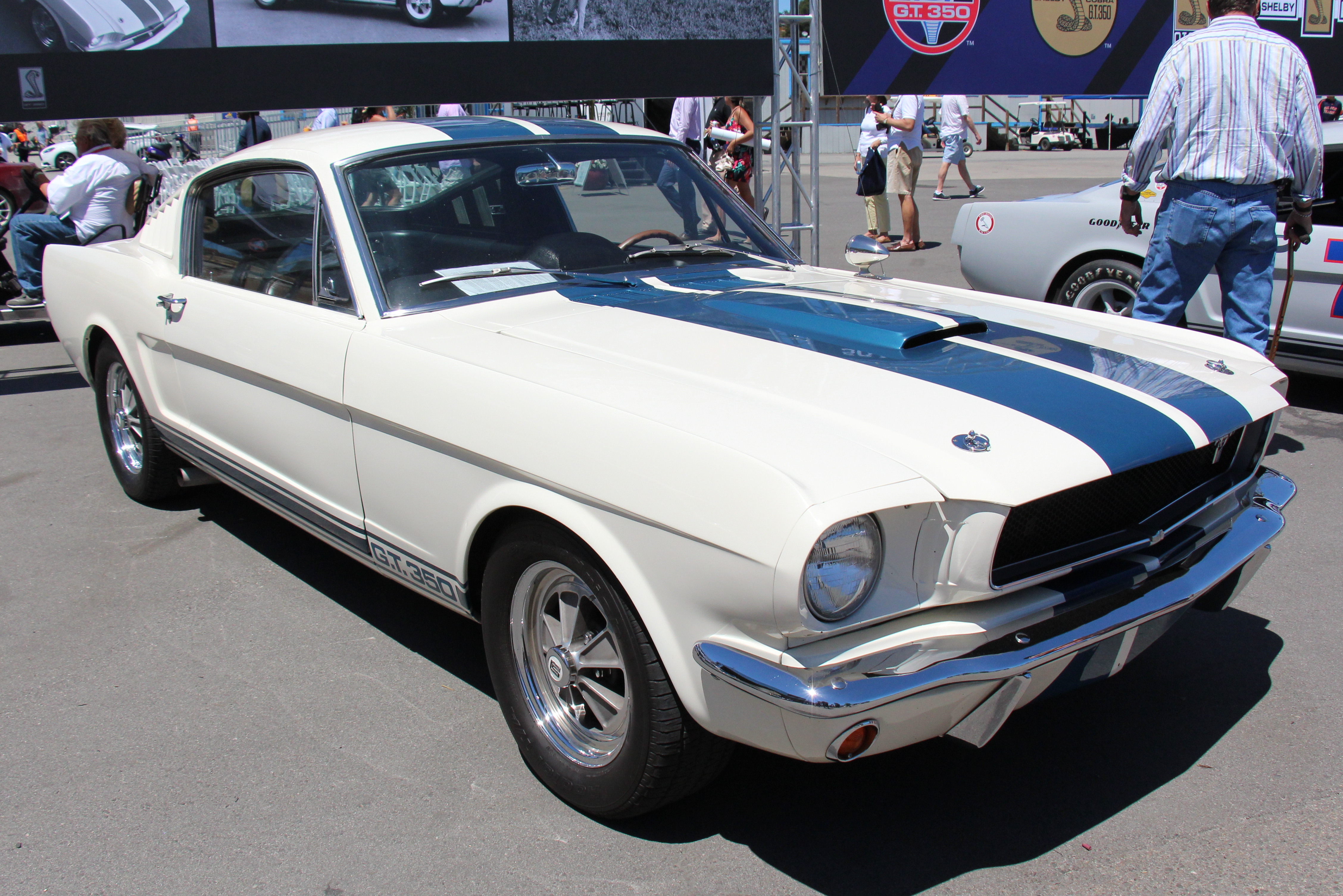
Carroll Shelby and his Shelby American team sought to elevate the Ford Mustang into a true supercar contender. The initial GT500s were powered by a 428 cubic inch Police Interceptor V8. Ford's decision to discontinue the Shelby nameplate after 1970 was reportedly due to financial considerations and a shift in marketing strategy, a move that left a void in the performance Mustang hierarchy for decades.
⚙️ How It Works
Modern Shelby GT500s are engineering marvels, typically featuring a supercharged V8 engine that delivers prodigious amounts of horsepower and torque. Beyond the powertrain, the GT500 incorporates advanced chassis tuning, including MagneRide damping systems and larger Brembo brakes, to ensure its formidable power can be effectively harnessed on both the street and the track. Aerodynamic enhancements, such as aggressive front splitters and rear diffusers, are also critical components, managing airflow for stability at high speeds.
📊 Key Facts & Numbers
The Shelby GT500 boasts numbers that consistently place it at the zenith of performance vehicles. The braking system features massive front rotors with six-piston Brembo calipers. The 'Predator' engine itself is a feat of engineering, with its supercharger capable of spinning at over 12,000 rpm. In terms of production, while specific numbers vary by year, Shelby GT500s are produced in limited quantities, contributing to their exclusivity and desirability.
👥 Key People & Organizations
The Shelby GT500's legacy is inextricably linked to its namesake, Carroll Shelby, a legendary racer and automotive designer whose vision defined American performance. Henry Ford II played a crucial role in bringing Shelby's performance expertise to the Ford Motor Company in the 1960s. In the modern era, engineers like Jamal Hames, chief engineer for Ford Performance, have been instrumental in developing the latest GT500 models, ensuring they uphold the brand's high standards. Shelby American remains a key entity, continuing to produce specialized versions and continuation models, while Ford Performance division is responsible for the factory-developed GT500s, pushing the boundaries of what a Mustang can achieve.
🌍 Cultural Impact & Influence
The Shelby GT500 has transcended its automotive origins to become a cultural icon. Its appearance in films like Gone in 60 Seconds (the 2000 remake featuring a customized 1967 GT500 nicknamed 'Eleanor') cemented its status in popular culture, making it a symbol of automotive cool and rebellious spirit. The GT500 has been a frequent subject in video games, from Need for Speed to Gran Turismo, allowing millions to experience its power virtually. Its aggressive styling and thunderous exhaust note have inspired countless automotive enthusiasts, influencing design trends and performance expectations within the broader car culture landscape. The name itself evokes a visceral reaction, representing the ultimate expression of the Ford Mustang's performance potential.
⚡ Current State & Latest Developments
While a direct successor to the 2020-2022 model year GT500 hasn't been officially announced, speculation is rife. Ford recently unveiled the Ford Mustang GTD, a track-focused road car with a 750+ horsepower supercharged V8, which shares some performance DNA with the GT500's ethos, though it's positioned as a more extreme, limited-production halo vehicle. The aftermarket continues to thrive, with companies like Shelby American offering their own enhanced versions and continuation models of classic GT500s, ensuring the legend endures. Ford's recent decision to drop the 'Shelby' name from factory Mustangs, reportedly due to royalty disputes and a desire to streamline branding, has led to increased focus on the GTD and other performance variants.
🤔 Controversies & Debates
The most significant controversy surrounding the Shelby GT500 revolves around the use of the 'Shelby' name itself. Ford's decision to cease factory production of Shelby-branded Mustangs after 1970, and later, the reported discontinuation of using the 'Shelby' moniker on new factory performance models (as of the 2024 model year), has sparked debate among enthusiasts. Some argue that Ford is diluting the legacy by not continuing the direct lineage, while others point to the introduction of models like the Ford Mustang GTD as a natural evolution of Ford's highest-performance offerings. Another point of contention can be the perceived value and authenticity of continuation models versus original production cars, and the pricing strategies employed by both Ford and Shelby American for these high-performance machines.
🔮 Future Outlook & Predictions
The future of the Shelby GT500, or its spiritual successor, is a topic of intense speculation. With the automotive industry rapidly shifting towards electrification, the era of the purely internal combustion supercharged V8 may be drawing to a close. It's plausible that future high-performance Mustangs will incorporate hybrid technology or even become fully electric, potentially carrying a new performance designation if the 'Shelby' name remains off-limits for factory models. However, the enduring appeal of the V8 rumble and the raw power associated with the GT500 name suggests that Ford and Shelby American will continue to push performance boundaries. The Ford Mustang GTD's existence hints at a future where Ford offers even more extreme, track-focused variants, potentially filling the void left by the traditional GT500.
💡 Practical Applications
The Shelby GT500 serves as a rolling testament to high-performance automotive engineering. Its primary application is as a road-legal sports car, designed for exhilarating driving experiences on both public roads and racetracks. Enthusiasts often use GT500s for track days, autocross events, and drag racing, where their immense power and refined handling can be fully exploited. Beyond performance driving, the GT500 is a highly coveted collector's item, with pristine examples, particularly early models and limited editions, appreciating significantly in value. It also serves as a benchmark for competitors in the pony car and muscle car segments, pushing brands like Chevrolet Camaro and Dodge Challenger to continually enhance their own high-performance offerings.
Key Facts
- Category
- products
- Type
- topic