
Contents
- ❓ What is Self-Exclusion?
- 🎯 Who is Self-Exclusion For?
- ⚖️ Legal Frameworks & Provider Policies
- 🌐 Online vs. Land-Based Self-Exclusion
- ⏳ Duration & Re-Entry
- 🚫 What Happens During Self-Exclusion?
- 💡 Alternatives & Support Systems
- 📈 The Effectiveness Debate
- ⚠️ Risks & Considerations
- ✅ Making the Choice: Practical Steps
- 📞 Where to Get Help
- Frequently Asked Questions
- Related Topics
Overview
Self-exclusion is a voluntary process allowing individuals to ban themselves from gambling activities, often implemented through casinos and online platforms. This mechanism is crucial for those struggling with gambling addiction, providing a structured way to regain control over their impulses. The effectiveness of self-exclusion varies, with studies indicating that while it can reduce gambling frequency, relapses are still common. Key players in this space include organizations like Gamblers Anonymous and various national gambling commissions, which provide resources and support. As gambling regulations evolve, the future of self-exclusion may shift towards more integrated digital solutions, raising questions about privacy and accessibility.
❓ What is Self-Exclusion?
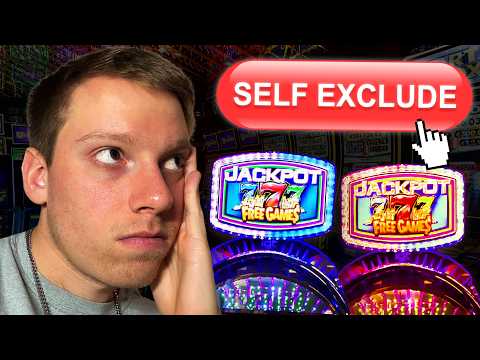
Self-exclusion is a voluntary, legally binding agreement between an individual and a gambling operator (or a regulatory body) to prohibit the individual from gambling for a specified period. It's a critical tool for individuals seeking to regain control over their gambling habits, acting as a personal barrier against impulsive or compulsive betting. This isn't merely a suggestion; in many jurisdictions, it carries legal weight, making it a powerful, albeit personal, intervention. The core principle is to create a deliberate, enforced distance from gambling environments, both physical and digital, to facilitate recovery.
🎯 Who is Self-Exclusion For?
This process is designed for individuals who recognize they have a problem with gambling and want to stop. It's for those who find themselves unable to control their betting, experiencing negative consequences in their finances, relationships, or mental health due to gambling. If you've tried to stop on your own and failed, or if you feel gambling is negatively impacting your life, self-exclusion is a proactive step you can take. It's a declaration of intent to change, supported by a formal mechanism to enforce that intent, offering a structured path away from destructive behavior.
⚖️ Legal Frameworks & Provider Policies
The legal underpinnings of self-exclusion vary significantly by region. Some governments mandate that all licensed gambling operators offer self-exclusion programs, often overseen by a state or national gambling commission. For instance, the UK Gambling Commission has stringent requirements for operators regarding self-exclusion. Individual casinos and online platforms also have their own policies, which may go beyond legal minimums. Understanding the specific regulations in your jurisdiction is crucial, as it dictates the scope and enforceability of the agreement you enter into.
🌐 Online vs. Land-Based Self-Exclusion
The implementation of self-exclusion differs between online and land-based gambling. For physical casinos, it typically involves visiting the venue, filling out forms, and sometimes providing a photograph. Online self-exclusion often utilizes platform-specific tools or national blocking services like GamStop in the UK. While land-based exclusion relies on staff vigilance and physical barriers, online exclusion depends on technological measures and the operator's commitment to enforcing the ban across all their platforms. The digital realm presents unique challenges in ensuring complete abstinence.
⏳ Duration & Re-Entry
Self-exclusion periods are usually fixed, ranging from a minimum of six months to a lifetime ban. Crucially, re-entry after the exclusion period expires is not automatic. Most jurisdictions and operators require a formal process to lift the exclusion, often involving a cooling-off period and a meeting with a counselor or representative. This ensures that the decision to gamble again is made with full awareness and consideration, rather than a lapse in judgment. The duration is a key factor in allowing individuals time to address underlying issues and build new coping mechanisms.
🚫 What Happens During Self-Exclusion?
During a self-exclusion period, you are contractually obligated not to gamble with the excluded operator or within the excluded venue. This means no placing bets, no entering the casino floor, and no accessing online gambling accounts. Operators are legally required to take reasonable steps to prevent excluded individuals from gambling, which can include refusing entry, blocking accounts, and returning any money wagered. Violating the terms of self-exclusion can have consequences, though enforcement can be challenging, particularly in the online space.
💡 Alternatives & Support Systems
Self-exclusion is a powerful tool, but it's often most effective when combined with other forms of support. Gambling addiction is a complex issue, and addressing its root causes is vital. Consider seeking professional help from therapists specializing in addiction, joining Gamblers Anonymous meetings for peer support, or exploring financial counseling services. These complementary strategies can provide the emotional, psychological, and practical assistance needed for long-term recovery, moving beyond simply blocking access to gambling.
📈 The Effectiveness Debate
The effectiveness of self-exclusion is a subject of ongoing debate. While many individuals report it as a life-saving intervention, critics point to instances where individuals circumvent bans or where operators fail to enforce them adequately. Studies have shown varying success rates, with some indicating significant reductions in gambling behavior among those who self-exclude. However, the success is heavily dependent on the individual's commitment, the operator's diligence, and the availability of comprehensive support services. It's a piece of the puzzle, not the entire solution.
⚠️ Risks & Considerations
While self-exclusion is a vital step, it's not without risks. A primary concern is the potential for 'chasing losses' on unregulated or offshore platforms not covered by the exclusion agreement. Furthermore, self-exclusion can sometimes create a sense of isolation if not paired with social support. It's also crucial to understand that self-exclusion is a personal commitment; while operators have obligations, the ultimate responsibility for adhering to the agreement lies with the individual. The psychological impact of enforced abstinence also needs careful consideration.
✅ Making the Choice: Practical Steps
Taking the step to self-exclude is a significant personal decision. The first practical step is to identify the specific operators or venues you wish to exclude from. Visit the website of the gambling provider or your local gambling regulatory authority to find their self-exclusion program details. You'll typically need to complete an application form, which may require personal information and a photograph for land-based venues. Be clear about the duration you wish the exclusion to last. Remember, this is a commitment to yourself and your well-being.
📞 Where to Get Help
If you are struggling with gambling and considering self-exclusion, or need support during your exclusion period, numerous resources are available. Contacting a national helpline, such as GambleAware or the National Problem Gambling Helpline, can provide immediate guidance and referrals to local services. Many organizations offer free, confidential counseling and support groups. Don't hesitate to reach out; professional help is available and can make a profound difference in your journey towards recovery.
Key Facts
- Year
- 2023
- Origin
- The concept of self-exclusion emerged in the late 20th century as awareness of gambling addiction grew, with formal programs established in the 1990s.
- Category
- Gambling Addiction
- Type
- Concept
Frequently Asked Questions
Can I self-exclude from all online gambling sites at once?
Yes, in some regions, national self-exclusion schemes exist that cover multiple online operators. For example, GamStop in the UK allows you to self-exclude from all participating online gambling sites registered in the UK with a single application. Check if such a service is available in your jurisdiction. If not, you may need to apply to each operator individually.
What happens if I try to gamble while self-excluded?
If you attempt to gamble with an operator from whom you are self-excluded, they are obligated to prevent it. For online sites, this means blocking your account and any attempts to deposit or wager. For land-based casinos, they should refuse you entry and may escort you off the premises. If you succeed in gambling, it's a breach of the agreement, and while the operator may have failed in their duty, your commitment to self-exclusion remains.
Can I get my money back if I gamble while self-excluded?
This is a complex legal area and depends heavily on the jurisdiction and the specific circumstances. In many cases, if an operator fails to uphold their duty of care and allows a self-excluded individual to gamble and lose money, the individual may have grounds to seek a refund. However, this is not guaranteed and often requires legal action. The primary goal of self-exclusion is prevention, not recovery of lost funds.
How long does self-exclusion last?
The duration of self-exclusion is typically chosen by the individual at the time of application. Common periods include 6 months, 1 year, 5 years, or a lifetime ban. The chosen period is legally binding. Once the period expires, you usually need to go through a specific process to have the exclusion lifted, which often involves a waiting period and a confirmation of your decision to resume gambling.
Is self-exclusion the same as setting deposit limits?
No, they are different tools. Setting deposit limits is a form of responsible gambling that allows you to control how much you spend within a given period, but you can still gamble. Self-exclusion is a complete ban from gambling with a specific operator or venue for a set time. While deposit limits are useful for managing spending, self-exclusion is for individuals who need to stop gambling altogether.
What if I self-exclude from one casino, but my problem is with all casinos?
If your issue extends to multiple land-based casinos, you may need to apply for self-exclusion at each one individually, or inquire about regional self-exclusion schemes if they exist in your area. For online gambling, national schemes like GamStop are designed to cover a wide range of operators, offering a more comprehensive solution for digital platforms. It's crucial to identify all the environments where you gamble compulsively.