
Contents
- 🌿 What is Rubber, Really?
- 🏭 Where Does Rubber Come From?
- 🚗 The Many Faces of Rubber
- 💡 The Science Behind the Bounce
- ⚖️ Natural vs. Synthetic Rubber: The Great Debate
- 🌎 Global Rubber Markets: Who's in Charge?
- ♻️ The Future of Rubber: Sustainability and Innovation
- ⚠️ Risks and Regulations in the Rubber Industry
- Frequently Asked Questions
- Related Topics
Overview
Rubber, a natural polymer derived from latex, boasts a history stretching back millennia, initially utilized by indigenous Amazonian cultures for waterproofing and play. Its industrial revolution began in the 19th century with Charles Goodyear's vulcanization process, transforming a sticky, temperature-sensitive substance into a durable, elastic material essential for tires, seals, and countless other applications. Today, synthetic rubber production rivals and often surpasses natural rubber, driven by demand in automotive, construction, and consumer goods sectors. Debates persist regarding sustainability, ethical sourcing of natural rubber, and the environmental impact of synthetic alternatives, making rubber a complex nexus of industrial progress and ecological concern.
🌿 What is Rubber, Really?
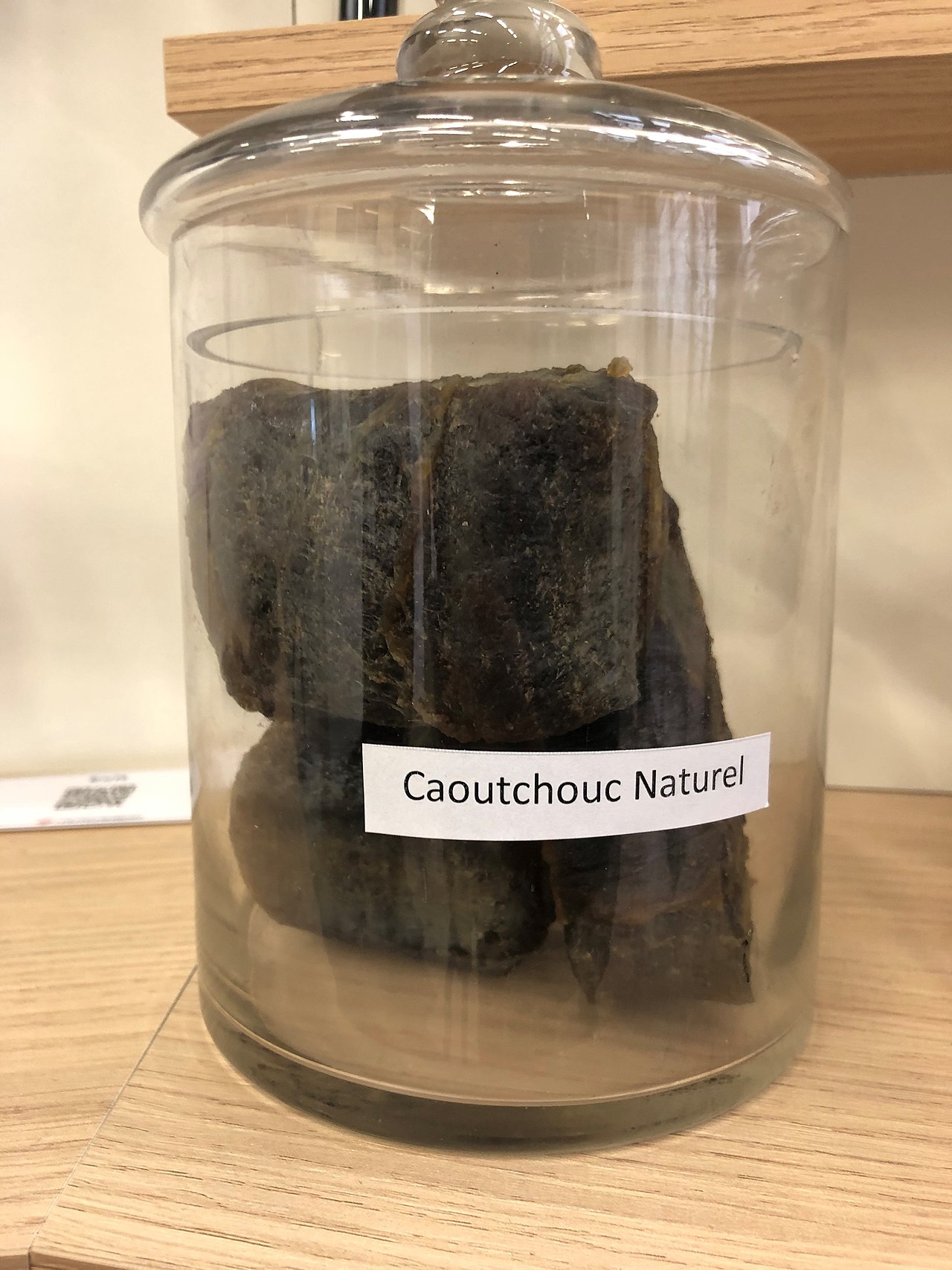
Rubber, a material synonymous with elasticity and resilience, is fundamentally a polymer. Initially, this meant natural rubber, harvested as latex from trees like the Hevea brasiliensis. This raw form is a complex emulsion containing polymers of isoprene, a simple organic molecule, alongside proteins, resins, and sugars. The term 'caoutchouc,' derived from indigenous Amazonian languages, still echoes its origins. Understanding rubber means appreciating its dual nature: a natural wonder and a highly engineered material.
🏭 Where Does Rubber Come From?
The journey of rubber begins in tropical plantations, primarily in Southeast Asia, which now dominates global production. Historically, its origins are deeply tied to the Amazon basin, where indigenous peoples first utilized its unique properties. The extraction process, tapping the rubber tree, requires careful technique to ensure the tree's health and continued yield. This natural source, while vital, is susceptible to climate and disease, driving the development of synthetic rubber alternatives.
🚗 The Many Faces of Rubber
From the tires on your car to the soles of your shoes, rubber is ubiquitous. Its applications are astonishingly diverse, spanning industries like automotive, aerospace, medical, and consumer goods. Think of the medical gloves protecting healthcare professionals, the industrial hoses carrying fluids, or the vibration dampeners in machinery. Each application demands specific properties, achieved through compounding and vulcanization, transforming raw rubber into a high-performance material.
💡 The Science Behind the Bounce
The magic of rubber lies in its molecular structure and how it behaves under stress. The long, flexible polymer chains can stretch significantly and then snap back to their original shape. This elasticity is dramatically enhanced through vulcanization, a process discovered by Charles Goodyear in 1839, where sulfur cross-links the polymer chains. This chemical bonding prevents the chains from permanently deforming, giving rubber its characteristic strength and resilience.
⚖️ Natural vs. Synthetic Rubber: The Great Debate
The choice between natural and synthetic rubber is a persistent tension in the industry. Natural rubber, derived from trees, offers superior tensile strength and tear resistance, making it ideal for demanding applications like aircraft tires. Synthetic rubbers, like SBR, are engineered for specific properties such as oil resistance or heat tolerance, and their production is less dependent on climate. The debate often centers on cost, performance, and environmental impact.
🌎 Global Rubber Markets: Who's in Charge?
The global rubber market is a colossal economic engine, with annual revenues in the tens of billions of dollars. Major players include Thailand, Indonesia, and Vietnam for natural rubber, while synthetic rubber production is dominated by chemical giants in North America, Europe, and Asia. Fluctuations in commodity prices, geopolitical stability in producing regions, and demand from key sectors like automotive significantly influence market dynamics. Understanding these market forces is crucial for anyone involved in the supply chain.
♻️ The Future of Rubber: Sustainability and Innovation
The future of rubber is increasingly focused on sustainability and advanced materials. Innovations include developing biodegradable rubbers, improving recycling processes for end-of-life tires, and creating bio-based synthetic alternatives. Researchers are also exploring 'smart rubbers' with self-healing properties or embedded sensors. The challenge is to balance performance demands with environmental responsibility, a complex equation for a material so deeply integrated into modern life.
⚠️ Risks and Regulations in the Rubber Industry
Working with rubber, particularly in industrial settings, involves navigating safety protocols and regulatory frameworks. Exposure to certain chemicals used in processing, such as rubber accelerators, can pose health risks if not managed properly. Environmental regulations concerning tire disposal and manufacturing emissions are also significant. Companies must adhere to standards set by bodies like the OSHA to ensure worker safety and environmental compliance.
Key Facts
- Year
- 1839
- Origin
- Amazon Basin
- Category
- Materials Science & Industry
- Type
- Material
Frequently Asked Questions
What is the difference between natural and synthetic rubber?
Natural rubber is harvested from the latex of rubber trees, offering superior elasticity and tear resistance. Synthetic rubber is chemically manufactured, allowing for tailored properties like oil resistance, heat tolerance, or specific hardness. While natural rubber excels in applications requiring high resilience, synthetic rubber provides versatility and consistency, often at a lower cost for specific uses.
How is rubber made usable for products?
Raw rubber undergoes a process called vulcanization, typically involving heating it with sulfur. This creates cross-links between the polymer chains, dramatically increasing its strength, elasticity, and durability. Before vulcanization, rubber is often compounded with various additives like carbon black for reinforcement, antioxidants for longevity, and processing aids to improve manufacturing.
What are the main uses of rubber?
Rubber's primary applications are in vehicle tires for automotive and aerospace industries due to its grip and durability. It's also crucial for seals, hoses, belts, footwear, gloves, and countless other industrial and consumer products where flexibility, waterproofing, and vibration dampening are required.
Is rubber recyclable?
Recycling rubber, especially from tires, is challenging but increasingly common. Old tires can be shredded and used in asphalt, playground surfaces, or as fuel. Advanced chemical recycling methods are also being developed to break down rubber into its constituent materials for reuse. However, the process is complex and not yet universally implemented.
What are the health risks associated with rubber production?
Workers in rubber manufacturing can be exposed to chemicals like rubber accelerators, antioxidants, and solvents, which may cause skin irritation, respiratory problems, or other health issues if proper safety measures aren't in place. Natural rubber latex can also cause allergic reactions in some individuals.