
Contents
Overview
Rockabilly music has its roots in the early 1950s, when artists like Hank Williams and Lefty Frizzell began experimenting with a fusion of country, blues, and hillbilly sounds. This unique blend of styles, characterized by strong rhythms and vocal twangs, would eventually become known as rockabilly. The term itself is a portmanteau of 'rock' (from 'rock 'n' roll') and 'hillbilly', a reference to the country music that contributed strongly to the style. Notable artists like Elvis Presley and Carl Perkins popularized the genre, with their music often featuring on Sun Records.
⚙️ How It Works
The rockabilly sound is defined by its use of boogie woogie piano riffs, vocal harmonies, and the common use of tape echo. The genre's distinctive sound was also influenced by Western swing, boogie-woogie, and electric blues. Artists like Johnny Cash and Jerry Lee Lewis further developed the rockabilly style, incorporating different instruments and vocal harmonies into their music. The genre's sound was also shaped by the work of producers like Sam Phillips, who played a crucial role in launching the careers of many rockabilly artists.
🌍 Cultural Impact
Rockabilly music had a significant cultural impact, particularly in the 1950s and 1960s. The genre's unique sound and style helped to bridge the gap between country and rock music, paving the way for future genres like rock and roll and country rock. The genre's influence can be seen in the work of later artists like The Rolling Stones and Bruce Springsteen, who have both cited rockabilly as an influence. The genre's cultural significance is also reflected in its inclusion in various films, television shows, and documentaries, such as Blue Suede Shoes and Walk the Line.
🔮 Legacy & Future
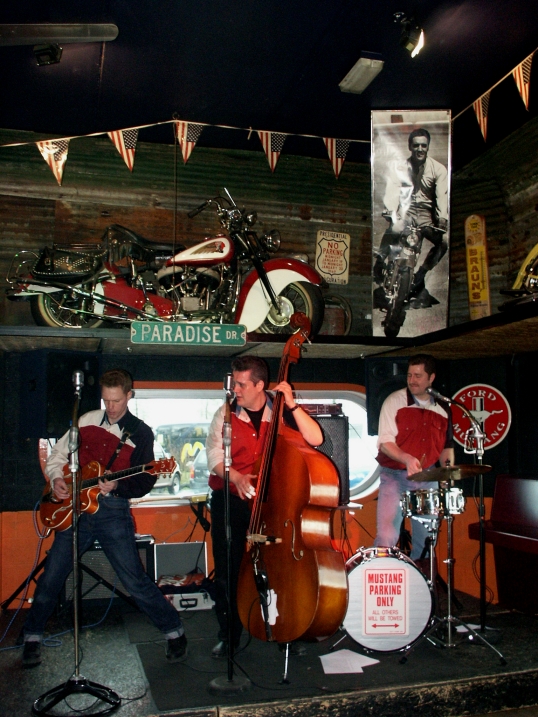
Today, rockabilly music remains a popular and influential genre, with many contemporary artists drawing on its unique sound and style. The genre's legacy can be seen in the work of artists like Chris Isaak and Brian Setzer, who have both been influenced by the genre's distinctive sound. The genre's future looks bright, with many new artists emerging who are inspired by the genre's energy and style. As the genre continues to evolve, it is likely that rockabilly music will remain a significant part of the musical landscape, with its unique blend of country, blues, and hillbilly sounds continuing to inspire new generations of musicians and fans.
Key Facts
- Year
- 1950s
- Origin
- United States, particularly the South
- Category
- culture
- Type
- genre
Frequently Asked Questions
What is rockabilly music?
Rockabilly music is a genre that blends country, blues, and hillbilly sounds, characterized by strong rhythms and vocal twangs. It is considered one of the earliest styles of rock and roll music, with influential artists like Elvis Presley and Carl Perkins.
Who are some notable rockabilly artists?
Some notable rockabilly artists include Elvis Presley, Carl Perkins, Johnny Cash, and Jerry Lee Lewis. These artists helped to popularize the genre and define its unique sound.
What is the significance of rockabilly in American musical history?
Rockabilly music played a significant role in the development of rock and roll, helping to bridge the gap between country and rock music. The genre's influence can be seen in the work of later artists like The Rolling Stones and Bruce Springsteen, who have both cited rockabilly as an influence.
How did rockabilly music evolve over time?
Rockabilly music evolved over time, incorporating different instruments and vocal harmonies into its sound. The genre was also influenced by other styles, such as Western swing and electric blues. Today, rockabilly music remains a popular and influential genre, with many contemporary artists drawing on its unique sound and style.
What is the legacy of rockabilly music?
The legacy of rockabilly music is significant, with the genre continuing to inspire new generations of musicians and fans. The genre's unique sound and style have been cited as an influence by many artists, and its cultural significance is reflected in its inclusion in various films, television shows, and documentaries.