
Contents
- 🔥 Introduction to Purgatory
- ⛪️ Historical Development of Purgatory
- 📜 Theological Foundations of Purgatory
- 🔍 Criticisms and Controversies Surrounding Purgatory
- 🕊️ The Concept of Purgatory in Catholic Theology
- 💡 Analogies and Metaphors for Purgatory
- 👥 Views of Other Christian Denominations on Purgatory
- 📚 Literary and Artistic Depictions of Purgatory
- 🕴️ Philosophical Implications of Purgatory
- 🌎 Cultural Significance of Purgatory
- 👀 Conclusion and Future Directions
- Frequently Asked Questions
- Related Topics
Overview
Purgatory, a concept rooted in Catholic theology, refers to a transitional state where souls undergo purification to achieve the holiness necessary to enter Heaven. The idea, which has a vibe rating of 6 due to its controversial and debated nature, suggests that the souls of the deceased may require a period of cleansing from the temporal effects of sin before they can be admitted into the presence of God. This concept has been a subject of discussion and disagreement among various Christian denominations and theologians, with some arguing it is an essential part of the Christian doctrine and others viewing it as unbiblical. The origins of the concept can be traced back to the early Christian Church, with significant developments in the Middle Ages. The influence of purgatory can be seen in various aspects of Catholic tradition, including prayers for the dead and the practice of indulgences. As of 2023, the concept remains a topic of interest and debate, with ongoing discussions about its implications for Christian theology and practice.
🔥 Introduction to Purgatory
Purgatory is a complex and multifaceted concept in Catholic theology, representing a transitional state where souls undergo purification before entering Heaven. The idea of Purgatory is rooted in the Catholic belief in the afterlife, where the soul continues to exist after physical death. According to Catholic doctrine, Purgatory is a place where souls are purified of their earthly sins, much like dross is removed from gold in a furnace. This process is often seen as a necessary step towards achieving spiritual purity and ultimately entering Heaven. The concept of Purgatory has been debated and explored by theologians, philosophers, and artists throughout history, including notable figures like Dante Alighieri and Thomas Aquinas.
⛪️ Historical Development of Purgatory
The historical development of Purgatory is closely tied to the evolution of Catholic theology, particularly during the Middle Ages. The concept of Purgatory gained significant traction in the 12th century, with the works of theologians like Peter Abelard and Bernard of Clairvaux. These thinkers drew upon earlier Christian traditions, such as the idea of prayer for the dead, to develop a more nuanced understanding of the afterlife. The Catholic Church formally affirmed the doctrine of Purgatory in the 13th century, and it has since remained a central aspect of Catholic theology, influencing the development of Catholic liturgical practices and Catholic devotional practices.
📜 Theological Foundations of Purgatory
The theological foundations of Purgatory are rooted in the Catholic understanding of original sin and the nature of salvation. According to Catholic doctrine, humanity is born with a inherent tendency towards sin, which can only be redeemed through the sacrifice of Jesus Christ. Purgatory serves as a means of purifying the soul of its earthly sins, allowing it to achieve the necessary level of spiritual purity to enter Heaven. This process is often seen as a cooperative effort between the individual soul and God, with the soul undergoing a process of purification and sanctification. The concept of Purgatory is closely tied to the Catholic understanding of free will and the nature of moral responsibility.
🔍 Criticisms and Controversies Surrounding Purgatory
Despite its significance in Catholic theology, the concept of Purgatory has been subject to various criticisms and controversies throughout history. Some critics argue that the idea of Purgatory is not supported by biblical scripture, while others see it as a form of pagan influence on Christian theology. The Protestant Reformation, led by figures like Martin Luther and John Calvin, rejected the doctrine of Purgatory, viewing it as a form of Catholic corruption. These criticisms have led to ongoing debates and discussions about the nature and significance of Purgatory, with some arguing that it is an essential aspect of Catholic theology, while others see it as a theological controversy.
🕊️ The Concept of Purgatory in Catholic Theology
In Catholic theology, Purgatory is often seen as a temporary state, where souls undergo purification before entering Heaven. The concept of Purgatory is closely tied to the Catholic understanding of prayer and the communion of saints. According to Catholic doctrine, the living can assist the souls in Purgatory through their prayers and indulgences, helping to shorten their time in Purgatory and ultimately achieve their entry into Heaven. This understanding of Purgatory is rooted in the Catholic belief in the intercession of saints and the power of prayer. The concept of Purgatory has also been explored in Catholic art and Catholic literature, with works like The Divine Comedy and The Canterbury Tales featuring depictions of Purgatory.
💡 Analogies and Metaphors for Purgatory
The concept of Purgatory has been subject to various analogies and metaphors throughout history, with one of the most common being the removal of dross from gold in a furnace. This analogy highlights the idea of Purgatory as a process of purification, where the soul is refined and purified of its earthly sins. Other analogies, such as the idea of a pilgrimage or a journey, have also been used to describe the concept of Purgatory, emphasizing the idea of a transitional state or a process of spiritual growth. These analogies have been used by theologians, philosophers, and artists to explore the nature and significance of Purgatory, including notable figures like St. Augustine and St. Thomas Aquinas.
👥 Views of Other Christian Denominations on Purgatory
The concept of Purgatory is not unique to Catholicism, and other Christian denominations have their own understanding of the afterlife and the nature of purification. Some Christian denominations, such as the Eastern Orthodox Church, have a similar understanding of Purgatory, while others, like the Protestant Reformation, reject the doctrine altogether. The concept of Purgatory has also been explored in non-Christian religions, such as Islam and Judaism, with their own understanding of the afterlife and the nature of purification. These different perspectives on Purgatory highlight the complexity and diversity of human understanding of the afterlife, with various traditions and cultures offering their own insights and interpretations.
📚 Literary and Artistic Depictions of Purgatory
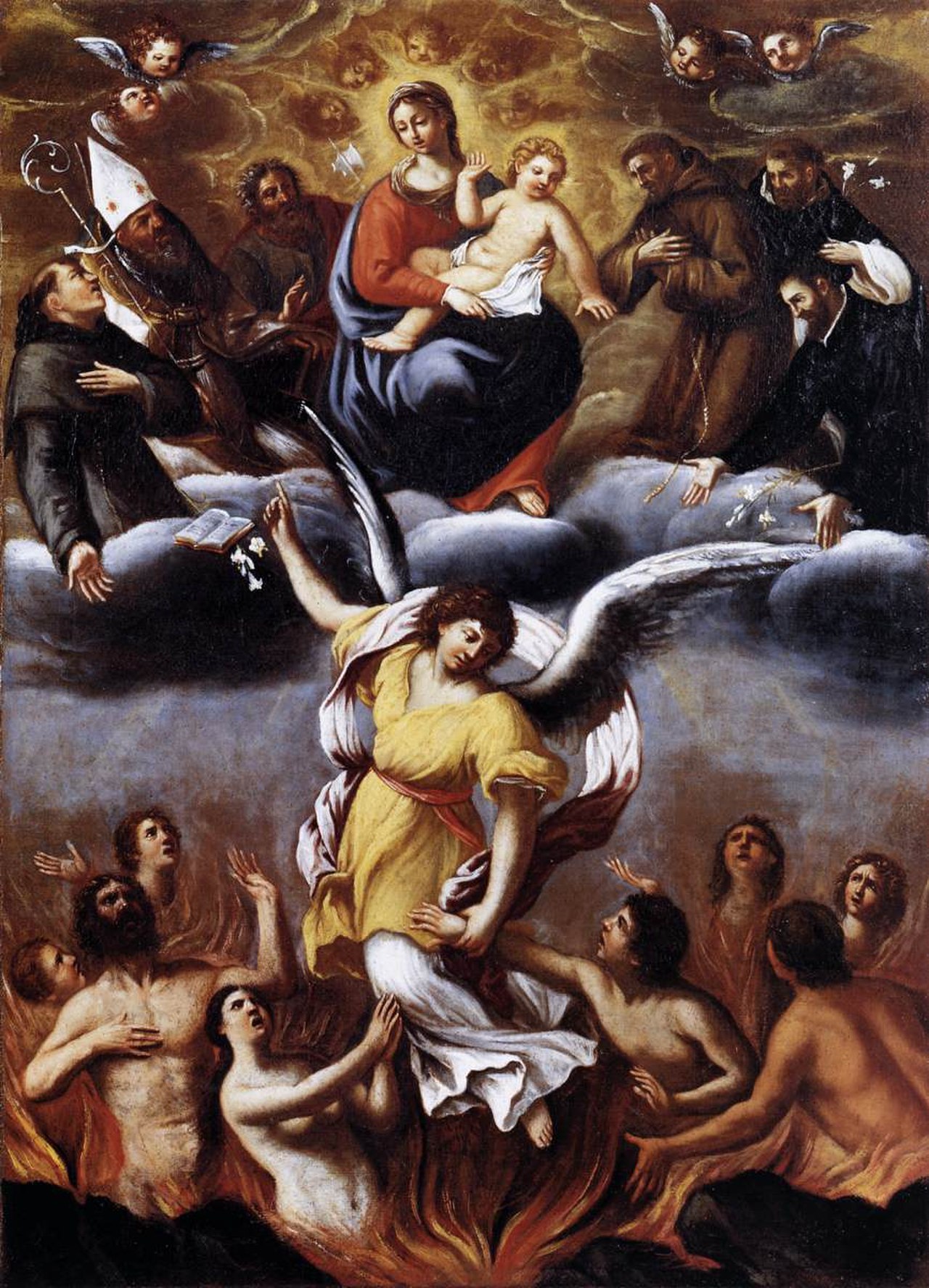
The concept of Purgatory has been depicted in various literary and artistic works throughout history, including The Divine Comedy and The Canterbury Tales. These works often feature vivid descriptions of Purgatory, highlighting the idea of a transitional state or a process of spiritual growth. The concept of Purgatory has also been explored in Catholic art, with works like The Last Judgment and The Ascent of the Blessed featuring depictions of Purgatory. These artistic and literary depictions of Purgatory offer a unique insight into the human understanding of the afterlife, highlighting the complexity and diversity of human experience.
🕴️ Philosophical Implications of Purgatory
The concept of Purgatory has significant philosophical implications, particularly in regards to the nature of free will and moral responsibility. The idea of Purgatory suggests that the soul is capable of growth and development after physical death, raising questions about the nature of personal identity and the continuity of consciousness. The concept of Purgatory also highlights the importance of virtue and morality in human life, emphasizing the idea that our actions have consequences in the afterlife. These philosophical implications of Purgatory have been explored by thinkers like St. Thomas Aquinas and Immanuel Kant, offering a nuanced understanding of the human condition.
🌎 Cultural Significance of Purgatory
The concept of Purgatory has significant cultural significance, particularly in Catholic cultures around the world. The idea of Purgatory has influenced the development of Catholic liturgical practices and Catholic devotional practices, with many Catholics praying for the souls in Purgatory and offering indulgences to assist them. The concept of Purgatory has also been explored in Catholic art and Catholic literature, with works like The Divine Comedy and The Canterbury Tales featuring depictions of Purgatory. These cultural expressions of Purgatory highlight the enduring significance of the concept in human culture and experience.
👀 Conclusion and Future Directions
In conclusion, the concept of Purgatory is a complex and multifaceted aspect of Catholic theology, representing a transitional state where souls undergo purification before entering Heaven. The idea of Purgatory has been debated and explored by theologians, philosophers, and artists throughout history, with significant implications for our understanding of the afterlife and the nature of purification. As we look to the future, it is clear that the concept of Purgatory will continue to play a significant role in Catholic theology and culture, offering a unique insight into the human understanding of the afterlife and the nature of spiritual growth.
Key Facts
- Year
- 1170
- Origin
- Catholic Church, Medieval Europe
- Category
- Religion and Philosophy
- Type
- Theological Concept
Frequently Asked Questions
What is Purgatory?
Purgatory is a concept in Catholic theology, representing a transitional state where souls undergo purification before entering Heaven. The idea of Purgatory is rooted in the Catholic belief in the afterlife, where the soul continues to exist after physical death. According to Catholic doctrine, Purgatory is a place where souls are purified of their earthly sins, much like dross is removed from gold in a furnace. This process is often seen as a necessary step towards achieving spiritual purity and ultimately entering Heaven. For more information, see Catholic Theology and Afterlife.
What is the purpose of Purgatory?
The purpose of Purgatory is to purify the soul of its earthly sins, allowing it to achieve the necessary level of spiritual purity to enter Heaven. This process is often seen as a cooperative effort between the individual soul and God, with the soul undergoing a process of purification and sanctification. The concept of Purgatory is closely tied to the Catholic understanding of free will and moral responsibility, emphasizing the idea that our actions have consequences in the afterlife. For more information, see Free Will and Moral Responsibility.
How long does Purgatory last?
The duration of Purgatory is not specified in Catholic doctrine, and it is often seen as a temporary state that can last for a varying amount of time. According to Catholic tradition, the length of time spent in Purgatory depends on the individual soul and the degree of purification required. The concept of Purgatory is closely tied to the Catholic understanding of prayer and the communion of saints, with the living able to assist the souls in Purgatory through their prayers and indulgences. For more information, see Prayer and Communion of Saints.
Can anyone go to Purgatory?
According to Catholic doctrine, Purgatory is a state that is available to all souls who have died in a state of grace, but are still in need of purification before entering Heaven. This includes both Catholics and non-Catholics, although the concept of Purgatory is not universally accepted among Christian denominations. The idea of Purgatory is closely tied to the Catholic understanding of salvation and the nature of purification, emphasizing the idea that our actions have consequences in the afterlife. For more information, see Salvation and Purification.
What is the difference between Purgatory and Hell?
Purgatory and Hell are two distinct concepts in Catholic theology, representing different states of existence after physical death. Purgatory is a temporary state where souls undergo purification before entering Heaven, while Hell is a permanent state of damnation, where souls are separated from God for eternity. The concept of Purgatory is closely tied to the Catholic understanding of free will and moral responsibility, emphasizing the idea that our actions have consequences in the afterlife. For more information, see Hell and Damnation.
Can the living help souls in Purgatory?
According to Catholic doctrine, the living can assist the souls in Purgatory through their prayers and indulgences. This can help to shorten the time spent in Purgatory and ultimately achieve their entry into Heaven. The concept of Purgatory is closely tied to the Catholic understanding of prayer and the communion of saints, emphasizing the idea that the living and the dead are connected in a shared community of faith. For more information, see Prayer and Indulgences.
What is the role of the Church in Purgatory?
The Church plays a significant role in Purgatory, offering prayers and indulgences to assist the souls in Purgatory. The concept of Purgatory is closely tied to the Catholic understanding of the communion of saints, emphasizing the idea that the living and the dead are connected in a shared community of faith. The Church also provides guidance and support to the faithful, helping them to understand the nature of Purgatory and the importance of praying for the souls in Purgatory. For more information, see Catholic Church and Communion of Saints.