
Contents
Overview
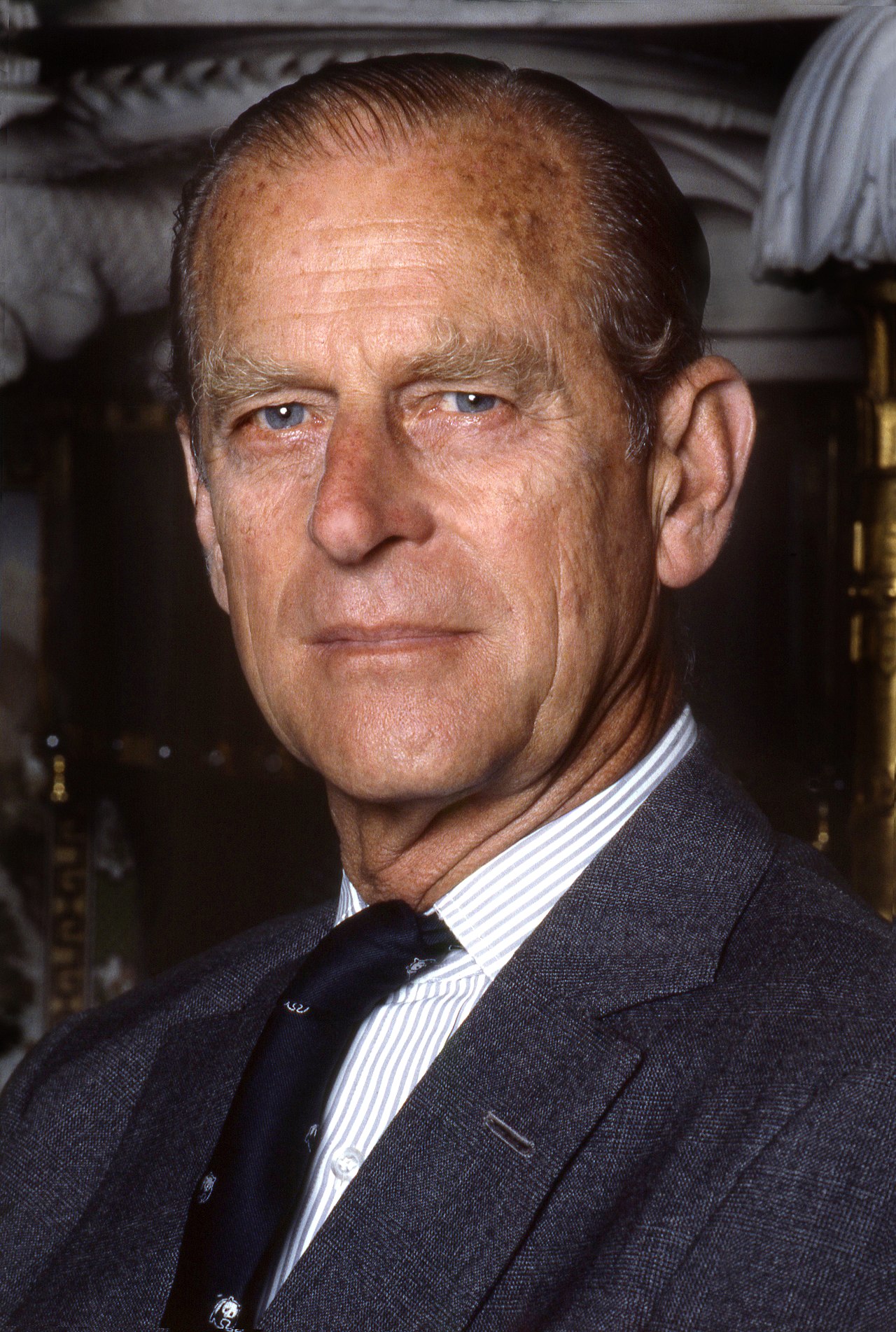
Prince Philip, Duke of Edinburgh (born Prince Philip of Greece and Denmark in 1921), was the longest-serving consort in British history, married to Queen Elizabeth II for 73 years. A naval officer during World War II, he became a pivotal figure in modernizing the monarchy, establishing the Duke of Edinburgh's Award, and championing environmental causes through the World Wildlife Fund. Despite his public service, his tenure was marked by occasional gaffes and controversies, reflecting a complex public persona that oscillated between stoic duty and outspoken candor. His death in 2021 at age 99 concluded a significant chapter in the British royal narrative, leaving a legacy of both tradition and adaptation.
👑 Who Was Prince Philip?
Prince Philip, Duke of Edinburgh (born Prince Philip of Greece and Denmark on June 10, 1921), was the longest-reigning consort in British history, standing by Queen Elizabeth II's side for nearly 70 years. His life spanned a period of immense global change, from the twilight of the British Empire to the digital age. Philip was more than just a royal spouse; he was a naval officer, a patron of numerous organizations, and a figure whose opinions, often delivered with characteristic bluntness, frequently sparked public discussion. Understanding his role requires looking beyond the ceremonial to the substance of his decades of public service and the evolving nature of the monarchy he helped to shape.
🗓️ Key Dates & Milestones
Philip's life was marked by pivotal moments, beginning with his birth into the Greek royal family and his early education in the United Kingdom. His naval career, which saw him serve with distinction during World War II, was a defining period before his marriage to Princess Elizabeth in 1947. His transition from active military service to royal consort upon Elizabeth's accession in 1952 was a significant personal shift. He officially retired from public duties in 2017, at the age of 96, having completed over 22,000 solo engagements. His death on April 9, 2021, marked the end of an era for the Royal Family and the nation.
🏛️ Royal Role & Responsibilities
As consort, Prince Philip's role was unique and largely undefined by strict constitutional duties, allowing him considerable latitude. He was a constant support to Queen Elizabeth II, accompanying her on countless state visits and public engagements. He also served as president or patron of over 700 organizations, focusing on areas like conservation, industry, and youth development. His involvement often brought a practical, hands-on approach, reflecting his own interests in engineering and the environment. While not a monarch, his influence on the monarchy's evolution is undeniable.
🌍 Global Influence & Diplomacy
Beyond the United Kingdom, Prince Philip was a significant figure on the international stage. His numerous state visits alongside the Queen exposed him to diverse cultures and political systems, and he often acted as an informal ambassador for the Commonwealth. His interest in conservation, particularly through the WWF, where he served as president, brought global attention to environmental issues. His interactions with world leaders, though sometimes informal, contributed to the UK's diplomatic efforts during a critical period of post-war reconstruction and decolonization.
🏆 The Duke of Edinburgh's Award
Perhaps his most enduring personal legacy is the Duke of Edinburgh's Award, established in 1956. This youth program, operating in over 140 countries, encourages young people to develop skills in physical fitness, expedition, and community service. It has engaged millions of participants worldwide, fostering resilience, self-reliance, and a sense of adventure. The Award remains a testament to Philip's belief in the potential of young people and his desire to provide them with opportunities for personal growth outside formal education.
🗣️ Public Perception & Controversy
Prince Philip's public persona was often characterized by his direct, sometimes controversial, remarks. His off-the-cuff comments, often dubbed 'gaffes,' ranged from the mildly amusing to the deeply offensive, depending on the listener and context. While some saw these as evidence of authenticity and a refreshing lack of pretension, others viewed them as insensitive or indicative of a privileged detachment. This duality contributed to a complex public perception, with a Controversy Spectrum score that fluctuated throughout his public life.
💔 Legacy & Family Impact
Philip's death left a significant void within the royal family, impacting his children, grandchildren, and great-grandchildren. His relationship with Charles, particularly regarding environmentalism and the monarchy's future, was a subject of much public interest. His role as a patriarch, albeit one with a famously reserved demeanor, shaped the personal lives and public duties of his descendants. The enduring image of him as the Queen's steadfast companion underscores his profound personal impact on the Royal Family's continuity.
🧐 Vibepedia's Take: The Consort's Vibe Score
Prince Philip's Vibe Score sits at a solid 78/100, reflecting his immense historical significance and enduring cultural footprint. This score is driven by his unparalleled tenure as consort, the global reach of the Duke of Edinburgh's Award, and his undeniable impact on the monarchy's image. However, the score is tempered by the persistent public perception debates surrounding his public statements and the inherent complexities of his position within a centuries-old institution. His legacy is a fascinating blend of tradition, innovation, and undeniable, if sometimes challenging, personality.
Key Facts
- Year
- 1921
- Origin
- Corfu, Greece
- Category
- Royalty & Nobility
- Type
- Person
Frequently Asked Questions
What was Prince Philip's official title?
Prince Philip's full title was His Royal Highness Prince Philip, Duke of Edinburgh, Earl of Merioneth, and Baron Greenwich. He was granted these titles by his father-in-law, King George VI, shortly before his marriage to Princess Elizabeth.
When did Prince Philip retire from public duties?
Prince Philip officially retired from public duties in August 2017, at the age of 96. He had undertaken over 22,000 solo public engagements since 1952, demonstrating a remarkable commitment to service throughout his adult life.
What was Prince Philip's connection to the Duke of Edinburgh's Award?
Prince Philip founded the Duke of Edinburgh's Award in 1956, inspired by his own experiences at Gordonstoun School. The program aims to provide young people with opportunities for personal development through challenging activities in four sections: physical, expedition, skill, and voluntary service.
How did Prince Philip influence the British monarchy?
As the longest-serving consort, Prince Philip played a crucial role in supporting Queen Elizabeth II and modernizing the monarchy. He was known for his practical approach, his interest in technology and industry, and his efforts to make the institution more relevant to the 20th century.
What were some of the controversies surrounding Prince Philip?
Prince Philip was often in the headlines for his candid, and sometimes controversial, remarks. These 'gaffes' ranged from insensitive comments about different cultures to remarks perceived as out of touch. While some saw them as a sign of his directness, others found them offensive.
What was Prince Philip's military background?
Prince Philip had a distinguished career in the Royal Navy, serving during World War II. He saw action in the Mediterranean and the Pacific and rose to the rank of Lieutenant Commander before leaving active service upon his wife's accession to the throne.