
Contents
Overview
The conceptual roots of power dressing can be traced back to the early 20th century, with designers like Coco Chanel and Elsa Schiaparelli incorporating masculine elements into women's fashion to offer greater freedom and authority. Yves Saint Laurent's creation of the "Le Smoking" tuxedo for women in 1966 was a pivotal moment, directly translating a male garment into a symbol of female empowerment. The trend solidified in the late 1970s and reached its peak in the 1980s, as a growing number of women entered high-powered corporate and political roles, influenced by figures like those discussed in the history of fashion.
⚙️ Key Elements and Evolution
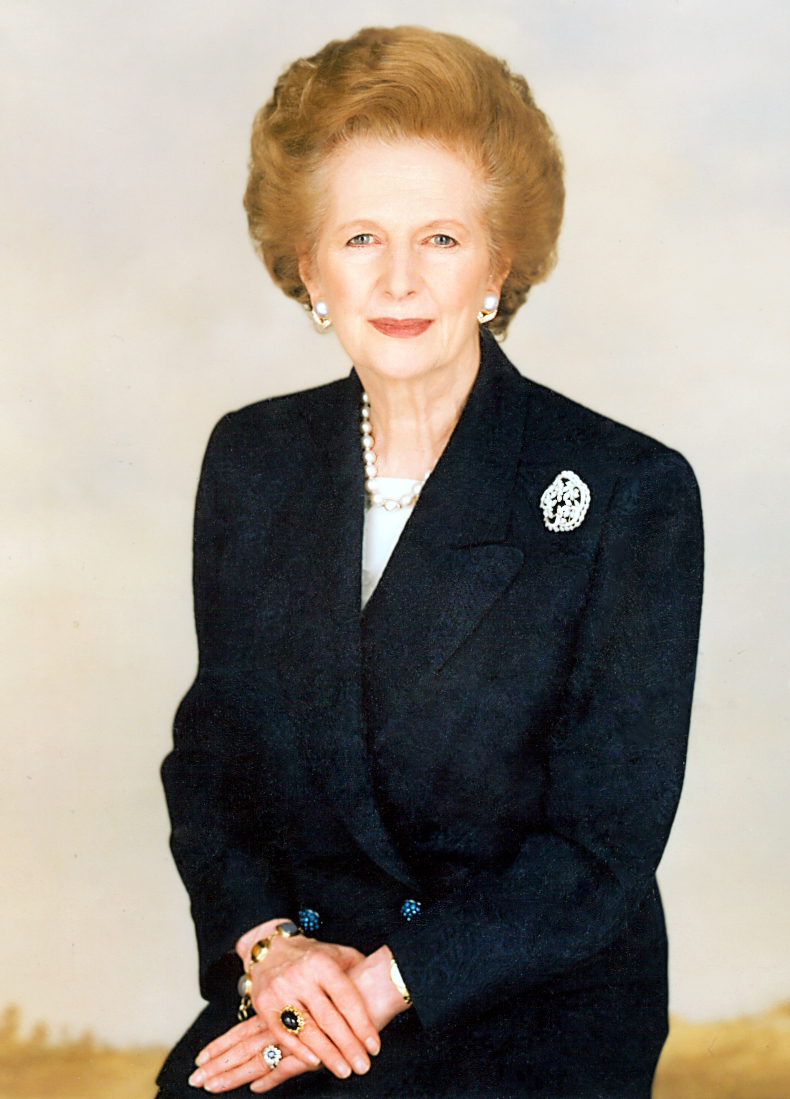
The quintessential garment of power dressing is the power suit, which for women typically consisted of a broad-shouldered blazer and a matching pencil skirt or trousers. The most iconic feature was the use of shoulder pads, which created a strong, almost masculine silhouette intended to convey authority and confidence in the workplace, a concept also seen in the evolution of professional attire. This was often paired with a simple silk blouse and accessorized with bold, statement jewelry, wide belts, and high heels, creating a look that was both assertive and elegant, much like the styles seen on platforms like Pinterest.
🌍 Cultural Impact and Icons
The power dressing aesthetic was heavily popularized by film and television in the 1980s, showcasing the style as the uniform for ambitious and successful characters in shows like Dynasty and films such as Working Girl. Public figures like Margaret Thatcher, Hillary Clinton, and Joan Collins became icons of this style, using their attire to project strength and influence. The trend was also associated with the "Yuppie" subculture, reflecting a broader societal emphasis on ambition and professional success, a theme also explored in discussions on culture and aesthetics.
🔮 Modern Relevance and Legacy
While the overt shoulder pads of the 1980s have softened, the ethos of power dressing continues to influence modern fashion. Contemporary interpretations often involve tailored blazers, wide-leg trousers, and sophisticated silhouettes that blend comfort with authority, as seen in current trends discussed on sites like Vogue Australia and Highsnobiety. The concept of dressing for confidence and impact remains relevant, with tailored dresses and refined separates now also embodying this powerful aesthetic, demonstrating that the principles of power dressing endure in various forms, much like the enduring appeal of classic styles.
Key Facts
- Year
- 1970s-1980s
- Origin
- United States & United Kingdom
- Category
- aesthetics
- Type
- concept
Frequently Asked Questions
What are the key elements of power dressing?
Key elements include structured tailoring, broad and padded shoulders, sharp blazers, pencil skirts or trousers, and often conservative color palettes. Accessories like statement jewelry and briefcases also contribute to the overall look.
Who were some of the key figures associated with power dressing?
Prominent figures include politicians like Margaret Thatcher and Hillary Clinton, as well as actresses and public personalities like Joan Collins and Grace Jones. Designers such as Giorgio Armani and Claude Montana were instrumental in popularizing the style.
How has power dressing evolved over time?
While the 1980s were characterized by exaggerated shoulder pads and bold silhouettes, modern power dressing often incorporates softer fabrics, more fluid lines, and a blend of professional and comfortable elements. Tailored dresses and refined separates are also seen as contemporary power looks.
What was the social significance of power dressing?
Power dressing was significant as a tool for women to assert their authority and competence in male-dominated professional and political environments. It symbolized ambition, equality, and a challenge to traditional gender roles in the workplace.
Can men engage in power dressing?
Yes, while often associated with women's fashion, the concept of power dressing also applies to men's professional attire, emphasizing sharp tailoring, quality fabrics, and a polished appearance to project authority and success.
References
- en.wikipedia.org — /wiki/Power_dressing
- reddit.com — /r/femalefashionadvice/comments/1n118j7/are_we_still_doing_power_dressing_how_to
- powersutra.co — /blogs/news/what-is-power-dressing-for-women%3Fsrsltid%3DAfmBOoqNyMpMlfQubmPp7K5
- suitably.com — /blogs/well-suited/why-power-dressing-is-a-power-move-and-tips-to-look-and-feel-
- nextlevelwardrobe.com — /mens-guide-to-power-dressing/
- sumissura.com — /en-us/blog/how-to-dress-like-an-executive
- bejuliet.com — /blogs/blog/what-is-power-dressing
- sumissura.com — /en/blog/how-to-dress-like-an-executive