
Contents
- 🌍 The Problem: A Persistent Pollutant
- 📈 Scale of the Crisis: Shocking Numbers
- 🌊 Where It Goes: Oceans, Land, and Air
- ☠️ The Impact: Ecosystems and Human Health
- 💡 Solutions: Innovation and Policy
- ♻️ Recycling Realities: What Works and What Doesn't
- 🥤 Single-Use Scourge: The Usual Suspects
- 🛒 Consumer Power: Your Role in the Fight
- ⚖️ Policy & Regulation: The Global Pushback
- 🚀 The Future of Plastic: Beyond Fossil Fuels?
- Frequently Asked Questions
- Related Topics
Overview
Plastic waste, a byproduct of our petrochemical-dependent society, represents one of the most pressing environmental challenges of the 21st century. From single-use packaging to microplastics infiltrating ecosystems, its persistence and ubiquity are staggering. The sheer volume, estimated at over 400 million tonnes produced annually, overwhelms waste management systems globally. This pervasive pollution not only chokes waterways and oceans, harming marine life, but also poses risks to human health through contaminated food and water. Addressing this crisis requires a complex interplay of technological innovation, policy reform, and a fundamental shift in consumer behavior.
🌍 The Problem: A Persistent Pollutant
Plastic waste, a persistent pollutant, is the accumulation of plastic objects and particles in the Earth's environment, wreaking havoc on ecosystems and human well-being. Its ubiquity stems from plastic's low cost and remarkable durability, making it the go-to material for countless applications. However, this very resilience means most plastics resist natural degradation, persisting for centuries and accumulating as mismanaged waste. This persistence allows plastic to infiltrate food webs, from the smallest plankton to the largest marine mammals, creating a pervasive environmental challenge that demands immediate attention and innovative solutions.
📈 Scale of the Crisis: Shocking Numbers
The sheer scale of plastic waste is staggering, with estimates suggesting over 8.3 billion metric tons of plastic have been produced since the 1950s, and a significant portion of that now pollutes our planet. Annually, an estimated 8 to 12 million metric tons of plastic enter our oceans, a figure projected to triple by 2040 if current trends continue unchecked. This relentless influx overwhelms natural systems and recycling infrastructure, creating a growing crisis that impacts every corner of the globe, from remote islands to bustling metropolises. Understanding these numbers is the first step toward confronting the magnitude of the problem.
🌊 Where It Goes: Oceans, Land, and Air
Plastic waste doesn't just disappear; it travels. Once mismanaged, it finds its way into our oceans, rivers, and landfills, fragmenting into smaller pieces. Microplastics, defined as plastic particles less than 5 millimeters in size, are particularly insidious, infiltrating soil, water, and even the air we breathe. These tiny fragments are ingested by wildlife and can enter the human bloodstream, raising serious concerns about long-term health impacts. The global distribution of plastic pollution highlights the interconnectedness of our planet and the far-reaching consequences of our consumption habits.
☠️ The Impact: Ecosystems and Human Health
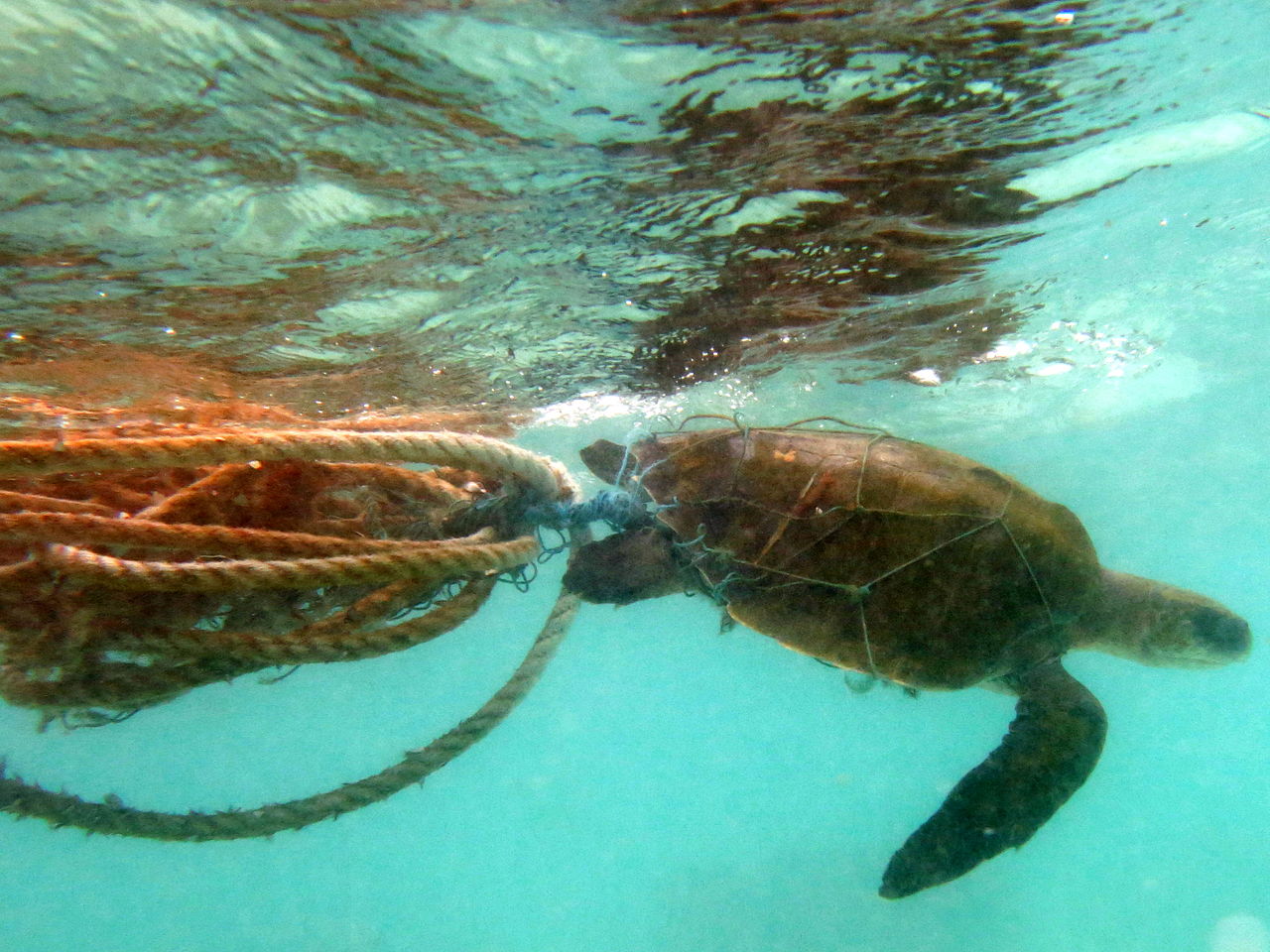
The impact of plastic waste on both wildlife and human health is dire. Marine animals often mistake plastic debris for food, leading to starvation, internal injuries, and entanglement. Beyond visible pollution, the leaching of chemical additives from plastics into soil and water poses risks to biodiversity and agricultural productivity. For humans, exposure to microplastics and associated chemicals is a growing concern, with research exploring potential links to endocrine disruption, inflammation, and other health issues. The degradation of ecosystems and the potential threats to human health underscore the urgent need for action.
💡 Solutions: Innovation and Policy
Addressing the plastic waste crisis requires a multi-pronged approach, blending technological innovation with robust policy frameworks. Innovations in biodegradable and compostable materials offer promising alternatives, while advanced recycling technologies aim to process a wider range of plastic types. Simultaneously, governments and international bodies are implementing policies to curb plastic production, ban certain single-use items, and promote circular economy principles. The success of these solutions hinges on widespread adoption and collaboration across industries, governments, and consumers.
♻️ Recycling Realities: What Works and What Doesn't
While recycling is often touted as a panacea, the reality is far more complex. Globally, only about 9% of all plastic waste ever produced has been recycled. Many types of plastic are difficult or uneconomical to recycle, and contamination often renders collected materials unusable. Furthermore, the infrastructure for effective collection and processing is unevenly distributed. True progress requires not just improving recycling rates but also reducing our reliance on virgin plastic and designing products for genuine circularity, moving beyond the limitations of current recycling systems.
🥤 Single-Use Scourge: The Usual Suspects
Single-use plastics—items designed for a single use before disposal—represent a significant portion of the plastic waste problem. Think of the ubiquitous plastic bags, straws, disposable cutlery, and beverage bottles. Their convenience comes at a steep environmental cost, as they are often discarded after mere minutes of use, yet persist in the environment for hundreds of years. Tackling this segment of plastic waste through bans, levies, and promoting reusable alternatives is a critical step in mitigating the global scourge.
🛒 Consumer Power: Your Role in the Fight
As consumers, our purchasing decisions hold significant power in the fight against plastic waste. Opting for reusable bags, water bottles, and coffee cups can drastically reduce personal plastic footprints. Supporting businesses committed to sustainable packaging and demanding transparency from manufacturers about their plastic usage are also impactful actions. Educating ourselves and others about the issue, and advocating for stronger environmental policies, amplifies individual efforts into collective change. Every conscious choice contributes to a larger movement.
⚖️ Policy & Regulation: The Global Pushback
Governments worldwide are increasingly recognizing the urgency of the plastic waste crisis, leading to a surge in policy interventions. These range from outright bans on specific single-use items, such as plastic bags and polystyrene food containers, to extended producer responsibility (EPR) schemes that hold manufacturers accountable for the end-of-life management of their products. International agreements, like the proposed UN treaty on plastic pollution, aim to establish global standards and foster cooperation. These policy shifts signal a growing commitment to systemic change.
🚀 The Future of Plastic: Beyond Fossil Fuels?
The future of plastic is a subject of intense debate and innovation. While reducing reliance on fossil fuel-based plastics is paramount, research into bio-based and biodegradable alternatives is accelerating. However, the environmental impact of these alternatives, including land use and potential for microplastic formation, requires careful scrutiny. The ultimate goal is to transition towards a truly circular economy for materials, where plastic is designed for durability, reuse, and eventual safe and complete biodegradation or infinitely recyclable loops, moving beyond the linear 'take-make-dispose' model.
Key Facts
- Year
- 1907
- Origin
- The invention of Bakelite, the first fully synthetic plastic, by Leo Baekeland in 1907, marked the dawn of the plastic age, a period characterized by rapid industrialization and the widespread adoption of these versatile materials.
- Category
- Environmental Science & Policy
- Type
- Global Issue
Frequently Asked Questions
What is the difference between plastic pollution and plastic waste?
Plastic waste refers to discarded plastic items and materials. Plastic pollution is the broader term encompassing the accumulation of this waste in the environment, where it adversely affects ecosystems and living organisms. Think of waste as the material, and pollution as the consequence of that material entering and disrupting natural systems.
How long does it take for plastic to decompose?
The decomposition time for plastic varies greatly depending on the type of plastic and environmental conditions, but it is generally very slow. A standard plastic bottle can take around 450 years to decompose, while plastic bags can persist for hundreds of years. Many plastics fragment into microplastics rather than fully biodegrading.
Are biodegradable plastics a real solution?
Biodegradable plastics offer potential but are not a silver bullet. Their decomposition often requires specific industrial composting conditions that are not widely available. Some can still break down into microplastics if not managed properly, and their production can have its own environmental footprint. They are best viewed as one tool among many, not a complete solution.
What are the main sources of plastic pollution?
The primary sources are mismanaged waste, particularly single-use items like packaging, bottles, and bags, which often end up in landfills or directly in waterways. Industrial plastic pellet spills (nurdles) and synthetic textile fibers from washing clothes also contribute significantly to plastic pollution, especially microplastics.
How does plastic pollution affect human health?
Humans are exposed to plastic pollution through ingestion of contaminated food and water, and inhalation of microplastics. Concerns include potential endocrine disruption, inflammation, and other adverse health effects linked to the chemicals within plastics and those they absorb from the environment. Research in this area is ongoing and expanding rapidly.
What is the role of governments in tackling plastic waste?
Governments play a crucial role by implementing policies such as bans on single-use plastics, establishing extended producer responsibility (EPR) schemes, investing in waste management infrastructure, and participating in international agreements. They set the regulatory framework that drives industry and consumer behavior change.