
Contents
- 🌊 Introduction to Oil Spill Cleanup
- 🚧 The History of Oil Spill Cleanup
- 🌴 The Impact of Oil Spills on Marine Ecosystems
- 🚮 Cleanup Methods and Technologies
- 📊 The Economics of Oil Spill Cleanup
- 🌟 Innovative Solutions and Future Directions
- 🚨 The Role of Government and Regulation
- 🌎 International Cooperation and Response
- 📝 Case Studies and Notable Oil Spills
- 👥 The Human Impact of Oil Spills
- 🔬 The Science of Oil Spill Cleanup
- 🌈 Conclusion and Future Outlook
- Frequently Asked Questions
- Related Topics
Overview
Oil spill cleanup is a daunting task that requires a deep understanding of the intricate relationships between technology, ecology, and economics. The 2010 Deepwater Horizon disaster, which released an estimated 4.9 million barrels of oil into the Gulf of Mexico, highlighted the need for effective cleanup strategies. According to a study by the National Oceanic and Atmospheric Administration (NOAA), the spill resulted in an estimated $17.2 billion in damages. The cleanup efforts, which involved a combination of mechanical recovery, chemical dispersants, and natural attenuation, were led by companies like BP and Transocean, with support from government agencies like the U.S. Coast Guard. However, the controversy surrounding the use of chemical dispersants, such as Corexit, has sparked debate among scientists and policymakers. As the world continues to rely on oil as a primary source of energy, the development of more effective and sustainable cleanup technologies, such as bioremediation and advanced skimming systems, is crucial for mitigating the environmental impact of future spills. With a vibe score of 8, oil spill cleanup is a topic that resonates with the public and sparks important discussions about environmental responsibility and technological innovation.
🌊 Introduction to Oil Spill Cleanup
The high-stakes world of oil spill cleanup is a complex and challenging field that requires careful consideration of environmental science, ecology, and engineering principles. Oil spills can have devastating effects on marine ecosystems, including the loss of biodiversity and the disruption of food chains. The Exxon Valdez oil spill in 1989 is a notable example of the devastating impact of oil spills on the environment. In response to such disasters, researchers and engineers have developed a range of oil spill cleanup technologies, including booming and skimming.
🚧 The History of Oil Spill Cleanup
The history of oil spill cleanup dates back to the early 20th century, when oil spills were first recognized as a significant environmental concern. The Torrey Canyon oil spill in 1967 is often cited as one of the first major oil spills to prompt a large-scale cleanup effort. Since then, there have been numerous significant oil spills, including the Amoco Cadiz and IPEX spills. These events have driven the development of new oil spill cleanup methods and technologies, such as in-situ burning and chemical dispersants. The National Oceanic and Atmospheric Administration (NOAA) has played a key role in responding to oil spills and developing new cleanup technologies.
🌴 The Impact of Oil Spills on Marine Ecosystems
Oil spills can have a profound impact on marine ecosystems, including the loss of biodiversity and the disruption of food chains. The Deepwater Horizon oil spill in 2010 is a notable example of the devastating impact of oil spills on the environment. In response to such disasters, researchers have developed a range of ecological restoration techniques, including the use of wetlands and artificial reefs to promote biodiversity. The Environmental Protection Agency (EPA) has also played a key role in responding to oil spills and promoting environmental sustainability.
🚮 Cleanup Methods and Technologies
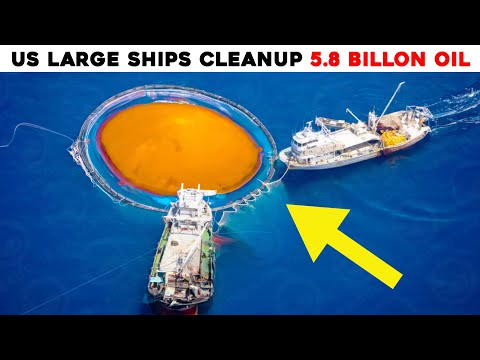
Cleanup methods and technologies are critical components of oil spill response efforts. Booming and skimming are two of the most common methods used to contain and remove oil from the water. In-situ burning and chemical dispersants are also used to break down and disperse oil. The oil spill cleanup industry has developed a range of specialized equipment and technologies, including oil skimmers and oil containment booms. Researchers are also exploring new technologies, such as nanotechnology and biotechnology, to improve oil spill cleanup efforts.
📊 The Economics of Oil Spill Cleanup
The economics of oil spill cleanup are complex and multifaceted. The cost of oil spill cleanup can be significant, with some estimates suggesting that the cost of the Deepwater Horizon oil spill cleanup effort exceeded $60 billion. The oil and gas industry has developed a range of insurance and liability frameworks to manage the financial risks associated with oil spills. However, the economic impacts of oil spills can also be felt by local communities and small businesses. The National Oceanic and Atmospheric Administration (NOAA) has developed a range of economic models and tools to help assess the economic impacts of oil spills.
🌟 Innovative Solutions and Future Directions
Innovative solutions and future directions are critical to improving oil spill cleanup efforts. Researchers are exploring new technologies, such as nanotechnology and biotechnology, to improve oil spill cleanup. The oil spill cleanup industry is also developing new equipment and technologies, such as oil skimmers and oil containment booms. The Environmental Protection Agency (EPA) has also launched a range of initiatives to promote environmental sustainability and reduce the risk of oil spills. The United Nations has also developed a range of international agreements and frameworks to promote cooperation and coordination on oil spill response efforts.
🚨 The Role of Government and Regulation
The role of government and regulation is critical to oil spill response efforts. The Environmental Protection Agency (EPA) and the Coast Guard have developed a range of regulations and guidelines to manage oil spill response efforts. The Oil Pollution Act of 1990 is a key piece of legislation that governs oil spill response efforts in the United States. The International Maritime Organization (IMO) has also developed a range of international agreements and frameworks to promote cooperation and coordination on oil spill response efforts. The National Oceanic and Atmospheric Administration (NOAA) has also played a key role in responding to oil spills and developing new cleanup technologies.
🌎 International Cooperation and Response
International cooperation and response are critical to managing oil spills that affect multiple countries or regions. The International Maritime Organization (IMO) has developed a range of international agreements and frameworks to promote cooperation and coordination on oil spill response efforts. The United Nations has also launched a range of initiatives to promote environmental sustainability and reduce the risk of oil spills. The European Union has also developed a range of regulations and guidelines to manage oil spill response efforts in European waters. The oil spill cleanup industry has also developed a range of international partnerships and collaborations to improve oil spill cleanup efforts.
📝 Case Studies and Notable Oil Spills
Case studies and notable oil spills can provide valuable insights into the challenges and complexities of oil spill cleanup efforts. The Exxon Valdez oil spill in 1989 is a notable example of the devastating impact of oil spills on the environment. The Deepwater Horizon oil spill in 2010 is another example of the challenges and complexities of oil spill cleanup efforts. The Torrey Canyon oil spill in 1967 is often cited as one of the first major oil spills to prompt a large-scale cleanup effort. The Amoco Cadiz and IPEX spills are also notable examples of the devastating impact of oil spills on the environment.
👥 The Human Impact of Oil Spills
The human impact of oil spills can be significant, with effects on public health, local economies, and community wellbeing. The Deepwater Horizon oil spill in 2010 is a notable example of the human impact of oil spills, with significant effects on the health and wellbeing of people living in the affected areas. The Exxon Valdez oil spill in 1989 is another example of the human impact of oil spills, with significant effects on the health and wellbeing of people living in the affected areas. The oil spill cleanup industry has developed a range of training programs and safety protocols to protect workers involved in oil spill cleanup efforts.
🔬 The Science of Oil Spill Cleanup
The science of oil spill cleanup is complex and multifaceted, involving a range of environmental science, ecology, and engineering principles. Researchers have developed a range of oil spill cleanup technologies, including booming and skimming. The oil spill cleanup industry has also developed a range of specialized equipment and technologies, including oil skimmers and oil containment booms. The National Oceanic and Atmospheric Administration (NOAA) has played a key role in responding to oil spills and developing new cleanup technologies.
🌈 Conclusion and Future Outlook
In conclusion, the high-stakes world of oil spill cleanup is a complex and challenging field that requires careful consideration of environmental science, ecology, and engineering principles. The oil spill cleanup industry has developed a range of oil spill cleanup technologies and specialized equipment to manage oil spills. However, the economic and human impacts of oil spills can be significant, and innovative solutions and future directions are critical to improving oil spill cleanup efforts. The United Nations and the International Maritime Organization have launched a range of initiatives to promote environmental sustainability and reduce the risk of oil spills.
Key Facts
- Year
- 2010
- Origin
- Gulf of Mexico
- Category
- Environmental Science
- Type
- Environmental Issue
Frequently Asked Questions
What is the most effective method for cleaning up oil spills?
The most effective method for cleaning up oil spills depends on the specific circumstances of the spill, including the type of oil, the location of the spill, and the weather conditions. However, booming and skimming are two of the most common methods used to contain and remove oil from the water. In-situ burning and chemical dispersants are also used to break down and disperse oil. The oil spill cleanup industry has developed a range of specialized equipment and technologies to improve oil spill cleanup efforts.
What are the economic impacts of oil spills?
The economic impacts of oil spills can be significant, with effects on local economies, tourism, and fishing industries. The cost of oil spill cleanup can also be significant, with some estimates suggesting that the cost of the Deepwater Horizon oil spill cleanup effort exceeded $60 billion. The oil and gas industry has developed a range of insurance and liability frameworks to manage the financial risks associated with oil spills.
How can oil spills be prevented?
Oil spills can be prevented through a range of measures, including the use of double-hulled tankers, regular maintenance of oil rigs and pipelines, and stringent regulations to manage oil spill risks. The International Maritime Organization (IMO) has developed a range of international agreements and frameworks to promote cooperation and coordination on oil spill prevention efforts. The United Nations has also launched a range of initiatives to promote environmental sustainability and reduce the risk of oil spills.
What are the human impacts of oil spills?
The human impacts of oil spills can be significant, with effects on public health, local economies, and community wellbeing. The Deepwater Horizon oil spill in 2010 is a notable example of the human impact of oil spills, with significant effects on the health and wellbeing of people living in the affected areas. The Exxon Valdez oil spill in 1989 is another example of the human impact of oil spills, with significant effects on the health and wellbeing of people living in the affected areas.
What is the role of government in oil spill response efforts?
The role of government in oil spill response efforts is critical, with responsibilities including the development of regulations and guidelines to manage oil spill response efforts, the provision of funding and resources to support oil spill cleanup efforts, and the coordination of international cooperation and response efforts. The Environmental Protection Agency (EPA) and the Coast Guard have developed a range of regulations and guidelines to manage oil spill response efforts in the United States.