
Contents
Overview
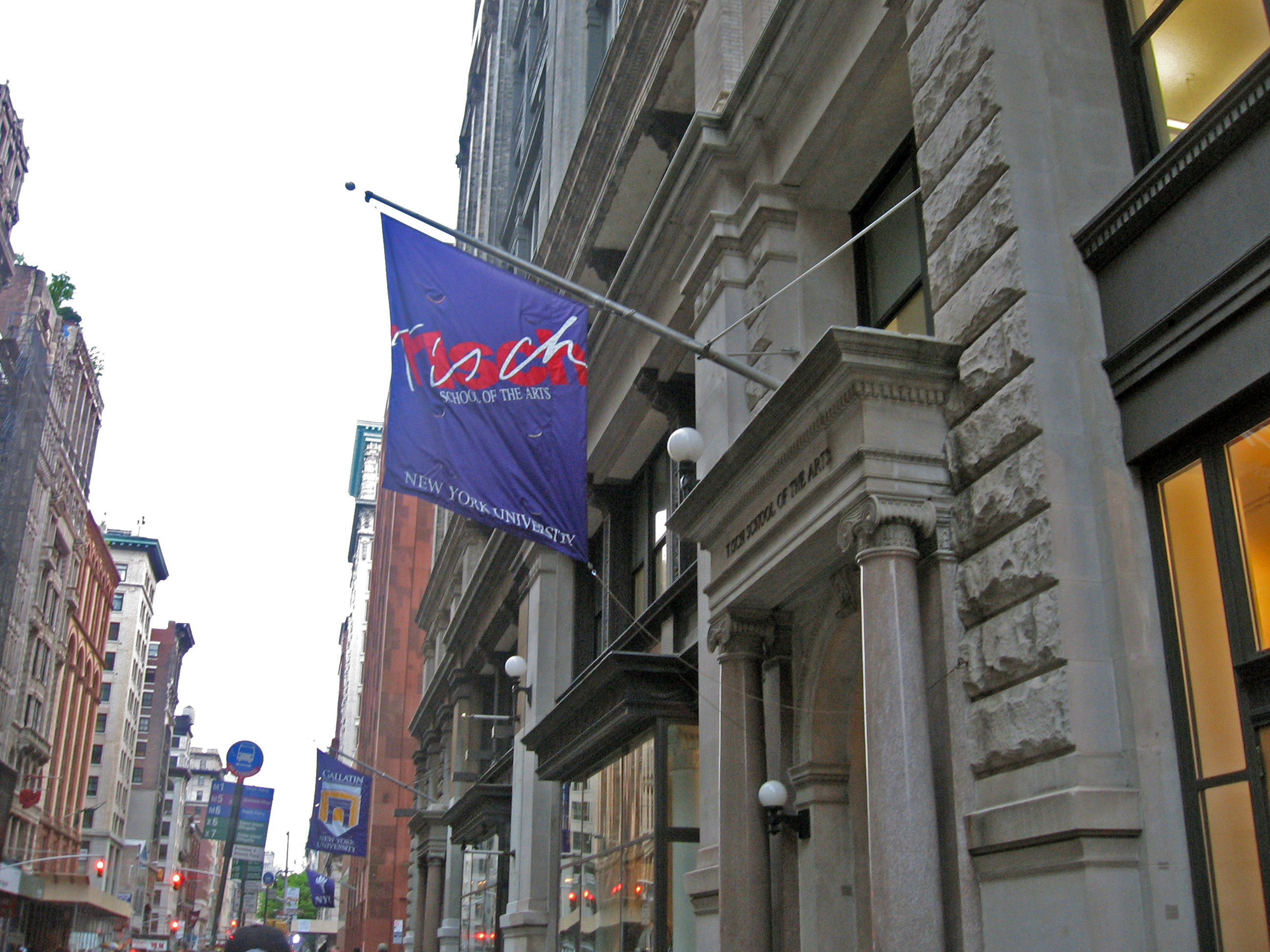
The New York University Tisch School of the Arts, commonly known as NYU Tisch, stands as a premier institution for performing, cinematic, and media arts. Established in 1965, it has cultivated generations of artists, scholars, and filmmakers within the vibrant ecosystem of New York University. Divided into four core institutes—Performing Arts, Emerging Media, Film & Television, and Global Cinematic Arts—Tisch offers a comprehensive curriculum that spans traditional disciplines and cutting-edge interdisciplinary studies. Its alumni roster reads like a who's who of Hollywood and Broadway, underscoring its profound impact on global entertainment. With a faculty comprising industry professionals and a location at the heart of artistic innovation, Tisch continues to shape the future of storytelling and artistic expression.
🎵 Origins & History
It was initially established as the School of the Arts, emerging from a desire to create a dedicated space for artistic training within a major research university. Its inception was a direct response to the burgeoning film and theater scenes of the 1960s, aiming to provide a rigorous academic and practical foundation for aspiring artists. Precursors to Tisch can be traced to earlier arts programs within New York University, but the formal establishment marked a significant expansion and specialization. The school's early years were shaped by visionary leaders who sought to integrate artistic practice with scholarly inquiry, laying the groundwork for its future prominence. The initial structure focused on key disciplines, setting the stage for the specialized institutes that define Tisch today.
⚙️ How It Works
Tisch operates through four distinct institutes: the Institute of Performing Arts (encompassing drama, dance, and musical theatre), the Maurice Kanbar Institute of Film & Television (covering film production, screenwriting, and animation), the Institute of Emerging Media (focusing on interactive media, game design, and digital arts), and the Martin Scorsese Institute of Global Cinematic Arts (dedicated to international film studies and production). Students typically matriculate into one of these institutes, pursuing specialized training while also having opportunities for cross-disciplinary collaboration. The Clive Davis Institute of Recorded Music offers a unique entrepreneurial focus within the music industry, while dual degree programs, such as the MFA/MBA, allow for integrated study across different NYU schools, fostering a holistic approach to creative careers.
📊 Key Facts & Numbers
As of recent data, NYU Tisch enrolls approximately 3,000 students across its undergraduate and graduate programs, making it one of the largest arts schools in the United States. The school employs around 216 full-time faculty members, many of whom are active professionals in their respective fields, bringing real-world experience into the classroom. Its endowment, while not publicly detailed separately from NYU, contributes significantly to its operational capacity and scholarship offerings. Tisch's annual operating budget supports extensive facilities, including state-of-the-art sound stages, editing suites, performance venues, and digital labs, estimated to be in the tens of millions of dollars. The school consistently ranks among the top 10 film schools globally, with its dramatic writing programs also holding top-tier positions.
👥 Key People & Organizations
Key figures instrumental to Tisch's legacy include its founding deans and influential faculty members. While specific founding deans are less publicly highlighted than later leaders, the school's trajectory was significantly shaped by figures like Dean John L. Brademas, who oversaw substantial growth during his tenure at New York University. Prominent alumni who have achieved global recognition include directors Martin Scorsese, Oliver Stone, and Spike Lee, actors Lady Gaga, Anne Hathaway, and Adam Sandler, and screenwriters like Charlie Kaufman. The Maurice Kanbar Institute of Film & Television and the Martin Scorsese Institute of Global Cinematic Arts bear the names of significant benefactors and influential alumni, underscoring the school's deep connections within the industry. New York University itself, as the parent institution, provides the overarching academic framework and resources.
🌍 Cultural Impact & Influence
Tisch's cultural footprint is immense, having produced a disproportionate number of influential artists who have shaped modern cinema, theater, and digital media. Alumni work is consistently represented at major film festivals like Cannes Film Festival and Sundance Film Festival, and on Broadway stages, garnering numerous Academy Awards, Tony Awards, and Emmy Awards. The school's emphasis on diverse storytelling and its location in New York City have fostered a unique artistic sensibility that resonates globally. The influence of Tisch-trained filmmakers and performers can be seen across virtually every major studio and production company, and their work often pushes creative boundaries, impacting popular culture and artistic discourse worldwide. The Clive Davis Institute of Recorded Music also plays a role in shaping the contemporary music industry.
⚡ Current State & Latest Developments
In the current landscape, NYU Tisch continues to adapt to the evolving demands of the entertainment industry. The Institute of Emerging Media is at the forefront of exploring new technologies like virtual reality and augmented reality in storytelling. Tisch has also been actively expanding its global reach, with initiatives and partnerships aimed at fostering international cinematic exchange, building on the foundation of the Martin Scorsese Institute of Global Cinematic Arts. Recent curriculum updates reflect a growing emphasis on interdisciplinary collaboration and entrepreneurship, preparing students not just for traditional careers but for navigating the complexities of the modern media economy. The school remains a highly competitive institution, with acceptance rates for its flagship programs often falling below 10%.
🤔 Controversies & Debates
One persistent debate surrounding Tisch revolves around its high tuition costs, which can place a significant financial burden on students, leading to discussions about accessibility and the value proposition of an arts education at this elite level. Critics sometimes question whether the school's prestige and network are worth the substantial investment, especially given the precarious nature of careers in the arts. Another area of discussion pertains to the balance between traditional artistic training and the rapid integration of new technologies; some argue that the curriculum needs to evolve even faster to keep pace with industry shifts. Furthermore, the sheer volume of talent emerging from Tisch, while a testament to its success, also contributes to a highly competitive professional environment for its graduates, leading to ongoing conversations about career support and industry placement.
🔮 Future Outlook & Predictions
Looking ahead, Tisch is poised to further solidify its position as a global leader in arts education. Expect continued investment in the Institute of Emerging Media, with a focus on artificial intelligence in creative production and immersive storytelling platforms. The school is likely to expand its global cinematic initiatives, potentially establishing new international partnerships or exchange programs that leverage the legacy of the Martin Scorsese Institute. There's also a growing emphasis on sustainability in the arts, which may influence curriculum development and production practices. The ongoing evolution of the film and television industry, driven by streaming services and new distribution models, will undoubtedly shape Tisch's pedagogical approaches, ensuring its graduates are equipped for the future of media creation. The school will likely continue to foster entrepreneurial ventures through programs like the Clive Davis Institute of Recorded Music.
💡 Practical Applications
The practical applications of a Tisch education are vast and varied, directly translating into careers across the entertainment spectrum. Graduates from the Maurice Kanbar Institute of Film & Television find roles as directors, cinematographers, editors, producers, and screenwriters in Hollywood and independent film. The Institute of Performing Arts produces actors, directors, playwrights, and designers for theater, television, and live performance. The Institute of Emerging Media prepares students for careers in game development, interactive design, virtual production, and digital content creation. The Clive Davis Institute of Recorded Music equips students with the skills to manage artists, produce music, and navigate the business of the recording industry. Tisch alumni also frequently leverage their training for entrepreneurial ventures, founding their own production companies, studios, and creative agencies.
Key Facts
- Category
- culture
- Type
- topic