
Contents
Overview
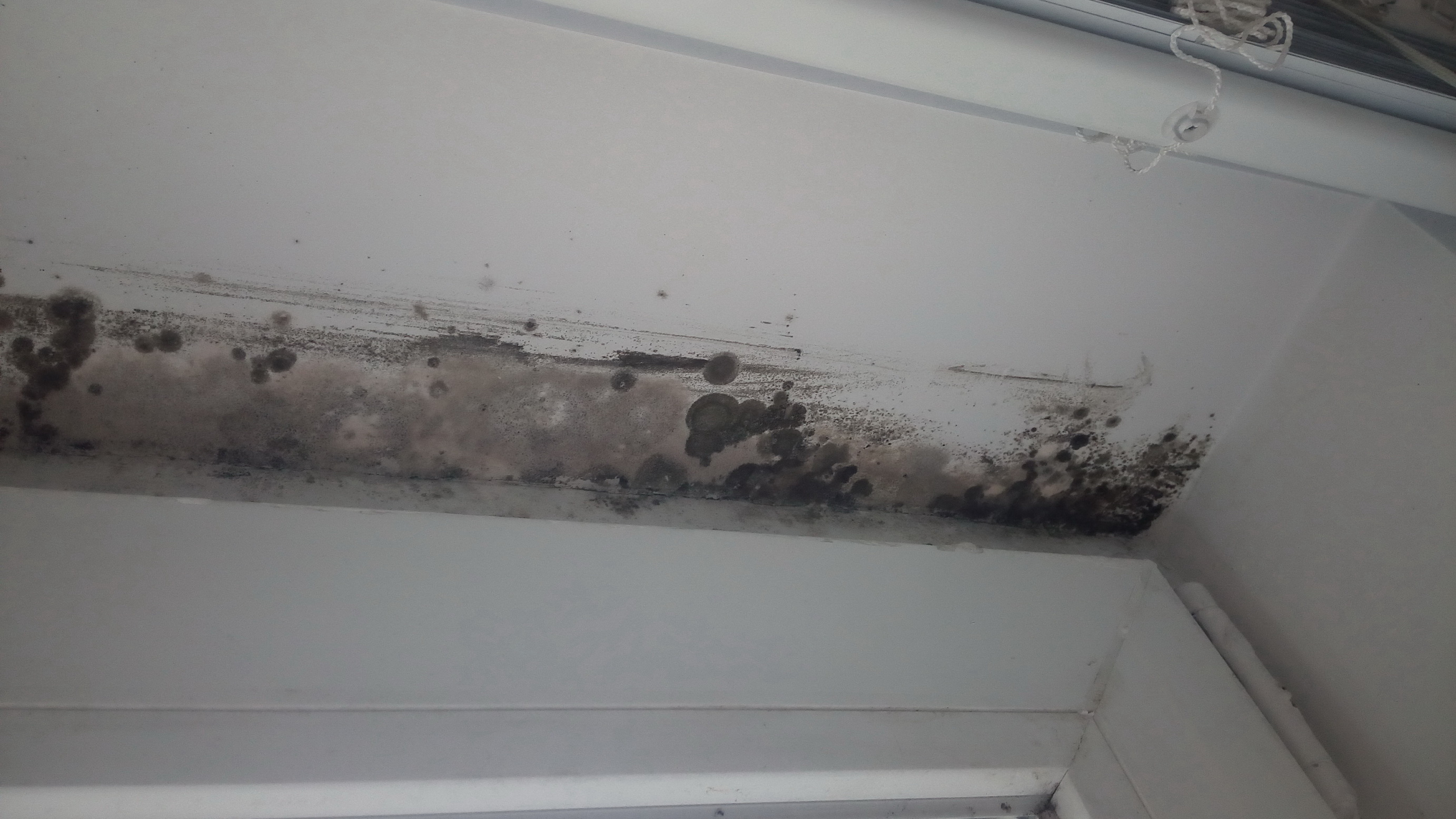
Mold growth refers to the proliferation of fungi on surfaces, typically occurring in damp environments. These microscopic organisms, essential decomposers in nature, can become problematic indoors when conditions favor their reproduction, primarily moisture and a food source like wood, paper, or fabric. Common indoor culprits include species like Aspergillus, Cladosporium, Penicillium, and the infamous Stachybotrys chartarum (black mold). Beyond aesthetic concerns and structural damage to buildings, mold spores can trigger allergic reactions, asthma exacerbations, and other respiratory issues in susceptible individuals, making its control a significant public health and building maintenance challenge. Understanding the conditions that foster mold is key to prevention and remediation.
🎵 Origins & History
The phenomenon of mold growth is as old as organic matter and moisture itself, a fundamental biological process dating back millions of years. Fungi, the kingdom to which molds belong, evolved as primary decomposers, breaking down dead plant and animal material. Early human dwellings, particularly those with poor ventilation and prone to leaks, would have been constantly subject to mold colonization. Historical texts, from ancient Egyptian papyri discussing damp structures to medieval accounts of spoiled food, implicitly describe mold's presence. The specific health implications of indoor mold remained largely unaddressed until the late 20th century, spurred by concerns over sick building syndrome and toxic mold outbreaks.
⚙️ How It Works
Mold growth is a biological process driven by the need for fungi to reproduce and consume nutrients. It begins when microscopic mold spores, ubiquitous in the air, land on a surface with sufficient moisture and a suitable organic food source. These food sources can range from cellulose in drywall and wood to dust, fabric, and even certain types of paint. Once conditions are met, the spores germinate, sending out hyphae—thread-like filaments—that penetrate the material and absorb nutrients. These hyphae form a visible colony, often appearing fuzzy or slimy, and can spread rapidly. The process is accelerated by high humidity and standing water, creating a visible bloom that can range in color from white and green to black and orange, depending on the species.
📊 Key Facts & Numbers
Mold spores can be as small as 1 micron, with some reaching up to 40 microns, allowing them to easily infiltrate building materials and respiratory systems. Certain molds, like Stachybotrys chartarum, can produce mycotoxins, potent compounds that can cause adverse health effects upon exposure, though the extent of this risk in typical indoor environments is debated.
👥 Key People & Organizations
While no single individual 'discovered' mold growth, pioneers in mycology laid groundwork for understanding fungi. Alexander Fleming's discovery of penicillin from Penicillium mold revolutionized medicine, earning him a Nobel Prize and ushering in the age of antibiotics. Public health organizations such as the EPA and the WHO provide guidelines on mold identification and remediation. Building science organizations like the ASHRAE develop standards for ventilation and building envelope design to prevent moisture issues. Companies specializing in mold testing and remediation, such as Servpro and ServiceMaster, play a significant role in addressing mold problems in residential and commercial properties.
🌍 Cultural Impact & Influence
Mold's pervasive presence has woven it into the fabric of human culture, often as a symbol of decay, neglect, or the uncanny. In literature and art, mold can represent the passage of time, the fragility of existence, or a sinister, creeping threat, as seen in gothic horror. The discovery of penicillin from Penicillium mold by Alexander Fleming in 1928, however, transformed mold from a mere nuisance into a life-saving medical marvel, earning Fleming a Nobel Prize and ushering in the age of antibiotics. Conversely, the association of certain molds, particularly Stachybotrys chartarum, with severe health issues in the late 1990s and early 2000s led to widespread public fear and a surge in 'toxic mold' litigation, significantly impacting public perception and building practices.
⚡ Current State & Latest Developments
The current state of mold growth management is characterized by increased awareness and technological advancements in detection and remediation. Non-destructive testing methods, such as infrared thermography and moisture meters, are becoming more sophisticated, allowing for earlier and more accurate identification of hidden mold. The development of advanced air purification systems and antimicrobial building materials aims to prevent mold colonization. Furthermore, there's a growing emphasis on integrated pest management principles applied to mold, focusing on source control and environmental modification rather than solely relying on chemical treatments. Regulatory bodies continue to refine guidelines, balancing public health concerns with the economic realities of building maintenance and renovation, particularly in the wake of climate change-induced increases in extreme weather events.
🤔 Controversies & Debates
The most significant controversy surrounding mold growth centers on the health effects of indoor exposure, particularly concerning mycotoxins produced by molds like Stachybotrys chartarum. While the EPA and WHO acknowledge that mold can cause allergic reactions, asthma exacerbations, and other respiratory symptoms, the extent to which specific molds or mycotoxins cause chronic or severe illnesses in otherwise healthy individuals remains a subject of scientific debate. Critics argue that the 'toxic mold' panic of the early 2000s was overblown, fueled by opportunistic litigation and media sensationalism, while proponents maintain that the risks are serious and often underestimated. Another debate revolves around the efficacy and safety of various remediation techniques, with ongoing discussions about the use of biocides versus physical removal and environmental control.
🔮 Future Outlook & Predictions
The future of mold growth management will likely involve a greater integration of smart building technologies and predictive analytics. Sensors capable of monitoring humidity, temperature, and even airborne spore counts in real-time could provide early warnings, allowing for proactive interventions before significant growth occurs. Advances in biotechnology may lead to more targeted and environmentally friendly remediation agents, potentially including engineered microbes or enzymes that specifically break down mold and mycotoxins. As climate change leads to more frequent and intense rainfall and flooding events, the challenge of preventing water intrusion and subsequent mold growth in buildings will become even more critical, necessitating resilient building designs and robust public health strategies. The ongoing scientific investigation into the precise mechanisms and dose-response relationships of mold-related health effects will continue to shape public policy and industry standards.
💡 Practical Applications
While often viewed negatively, understanding mold growth has practical applications in various fields. The most celebrated application is in medicine, where molds like Penicillium chrysogenum are cultivated to produce penicillin and other life-saving antibiotics. In the food industry, specific molds are essential for producing fermented products such as cheeses (e.g., Roquefort, Brie) and fermented soy products like tempeh and soy sauce. In industrial biotechnology, certain fungi are used to produce enzymes, organic acids, and even biofuels. Furthermore, research into fungal decomposition is informing bioremediation strategies for breaking down pollutants in soil and water, and the study of fungal structures inspires biomimetic designs in materials science and architecture.
Key Facts
- Category
- nature
- Type
- topic