
Contents
Overview
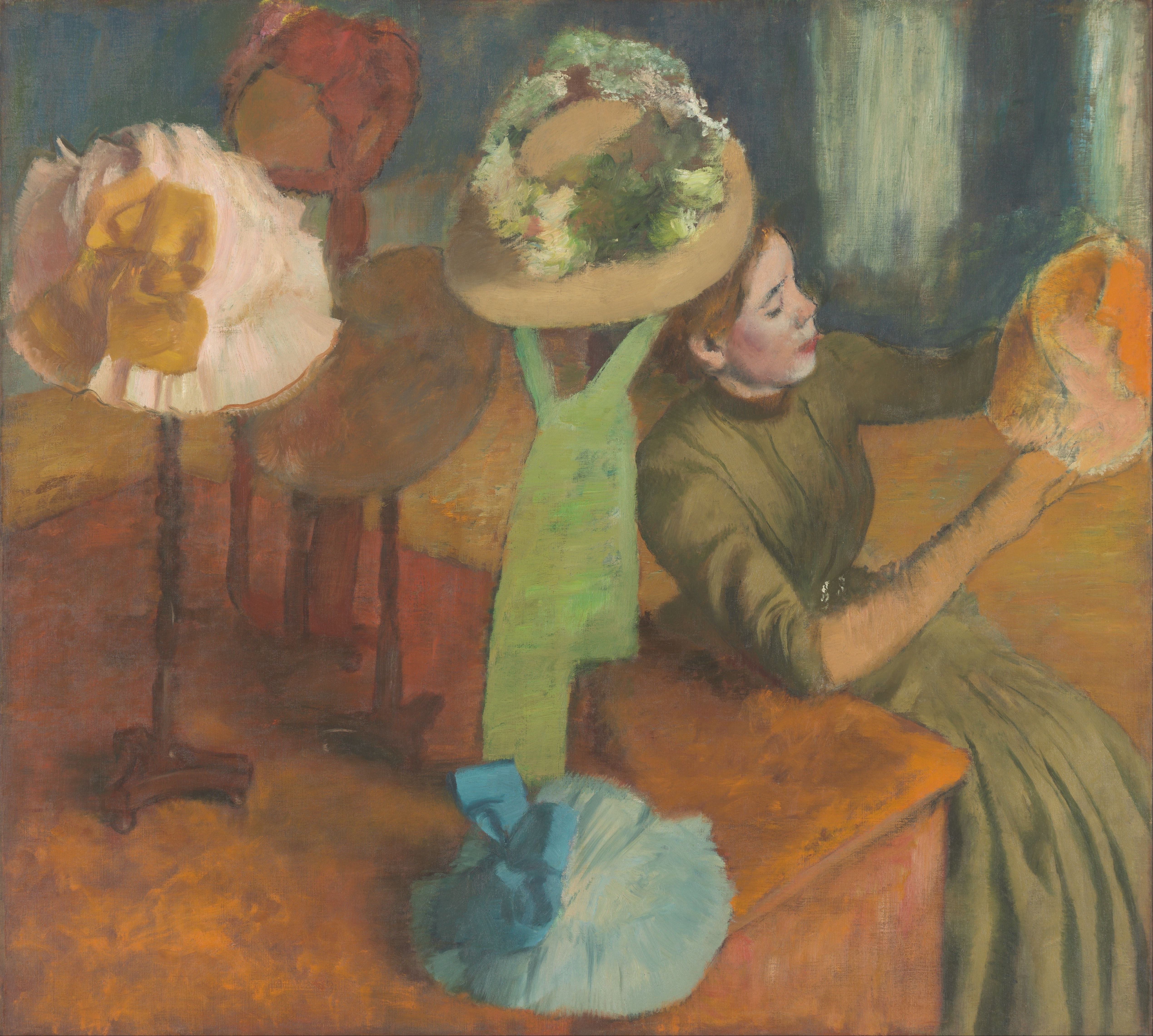
Millinery encompasses the design, creation, and sale of hats and other headwear. Historically, milliners were artisans who crafted a wide array of accessories, but by the Victorian era in Britain, the term became specifically associated with hat-making. The 19th century saw industrialization significantly impact the millinery trade, increasing employment for women in major cities like London, Paris, and New York. Despite advancements in mass production, the core of millinery relies on specialized skills, craftsmanship, and creative vision. Today, millinery exists as both a bespoke craft for haute couture and a niche industry catering to specific events and individual style, maintaining its cultural significance as a form of personal expression and status.
🎵 Origins & History
The practice of millinery, or hat-making, traces its roots back to ancient civilizations where headwear served practical purposes of protection and social distinction. In medieval Europe, guilds of hatters emerged, specializing in felted hats. The term 'milliner' itself originated from Milan, Italy, a center for fashion and fine goods. Initially, a milliner was a merchant who sold fashionable accessories, including ribbons, lace, and trimmings, not exclusively hats. The role became predominantly defined by the creation and sale of hats, particularly during the Victorian era in Britain. This shift was fueled by burgeoning fashion industries and the increasing demand for elaborate headwear among the upper classes, solidifying millinery as a distinct craft.
⚙️ How It Works
At its core, millinery is a meticulous process of design and construction. It begins with conceptualization, often inspired by current fashion trends, historical periods, or specific client needs. The milliner selects materials, which can range from straw, felt, and fabric to feathers, veils, and embellishments. Pattern drafting and blocking are crucial steps, where materials are shaped over forms (blocks) to create the desired silhouette of the hat. Techniques like sewing, stitching, wiring, and steaming are employed to refine the shape and structure. Finally, the hat is trimmed and embellished, adding decorative elements that define its unique character and aesthetic appeal. The process demands precision, an understanding of form, and a keen eye for detail, often involving handcraftsmanship passed down through generations.
📊 Key Facts & Numbers
The global market for headwear, encompassing millinery, is substantial. Historically, by 1889, over 8,000 women were employed in millinery in London and Paris alone. In 1900, New York reported some 83,000 individuals, predominantly women, working in the millinery industry. While mass production accounts for a significant portion of this market, bespoke millinery for events like royal weddings or horse races can command prices ranging from hundreds to thousands of dollars per piece, reflecting the intricate labor and premium materials involved.
👥 Key People & Organizations
Key figures in millinery include legendary designers who have shaped its trajectory. Philip Treacy is renowned for his avant-garde creations for royalty and celebrities, including hats for Queen Camilla and Lady Gaga. Rose Cahill, an Irish milliner, gained fame for her innovative designs in the early 20th century. Organizations like the Worshipful Company of Hatters in London and the Fashion Institute of Technology (FIT) in New York play roles in preserving the craft through education and advocacy. Contemporary milliners such as Stephen Jones continue to push creative boundaries, collaborating with major fashion houses like Chanel and Dior.
🌍 Cultural Impact & Influence
Millinery has profoundly influenced fashion and culture, serving as a powerful symbol of status, occasion, and personal identity. From the elaborate bonnets of the Regency era to the daring creations seen at Ascot, hats have always been more than mere accessories; they are statements. In the early 20th century, hats were an indispensable part of a woman's ensemble, with styles dictating social norms and expectations. The decline in everyday hat-wearing in the mid-20th century, often attributed to the rise of casual fashion and the influence of Hollywood stars like Audrey Hepburn who famously eschewed hats, marked a significant cultural shift. Yet, millinery persists, particularly for formal events, weddings, and cultural ceremonies, retaining its power to signify importance and tradition.
⚡ Current State & Latest Developments
In the contemporary landscape, millinery is experiencing a resurgence, albeit in a more specialized form. While mass-produced hats remain prevalent, there's a growing appreciation for artisanal, handcrafted headwear. Online platforms like Etsy and dedicated millinery websites have made bespoke designs more accessible globally. The rise of social media, particularly Instagram, has provided milliners with direct channels to showcase their work and connect with clients. Events like the Royal Ascot continue to be major showcases for millinery artistry, driving trends and demand. Furthermore, educational institutions and workshops are actively working to preserve and teach the traditional skills of millinery to a new generation of designers.
🤔 Controversies & Debates
The primary controversy surrounding millinery today centers on its perceived exclusivity and relevance in a modern, increasingly casual world. Critics question the necessity and cost of elaborate hats, particularly for events like weddings, suggesting they can be an unnecessary expense or a relic of a bygone era. The environmental impact of materials used, such as exotic feathers or synthetic fabrics, also draws scrutiny. Conversely, proponents argue that millinery is a vital art form that deserves preservation, representing skilled craftsmanship and cultural heritage. The debate often pits the democratization of fashion against the value of specialized, high-end artistry, with discussions frequently occurring on fashion forums and in style publications.
🔮 Future Outlook & Predictions
The future of millinery appears to lie in a dual trajectory: continued innovation in avant-garde design and a renewed focus on sustainable and ethically sourced materials. We can anticipate milliners exploring new technologies, such as 3D printing, to create novel forms and structures, potentially reducing waste. There's also a growing movement towards 'slow fashion' within millinery, emphasizing durable, timeless pieces made from eco-friendly materials like organic wool, recycled felt, and plant-based dyes. The influence of celebrity endorsements and major fashion events will likely continue to shape trends, while online communities will foster a more direct connection between milliners and a global clientele seeking unique, personalized headwear. The challenge will be balancing artistic expression with commercial viability and environmental responsibility.
💡 Practical Applications
Millinery finds practical application in several key areas. Bespoke hats are commissioned for significant life events such as weddings, graduations, and formal ceremonies, where specific dress codes or traditions dictate their wear. The racing industry, particularly at events like The Derby and Ascot, relies heavily on millinery to complete the sartorial spectacle. Theatrical productions and historical reenactments also utilize millinery to accurately portray characters and eras. Furthermore, some medical applications, such as specialized headwear for chemotherapy patients, fall under the broader umbrella of headwear design, requiring comfort and aesthetic consideration. For individuals seeking to express personal style, millinery offers a unique avenue for creative self-expression beyond everyday fashion.
Key Facts
- Category
- aesthetics
- Type
- topic