
Contents
Overview
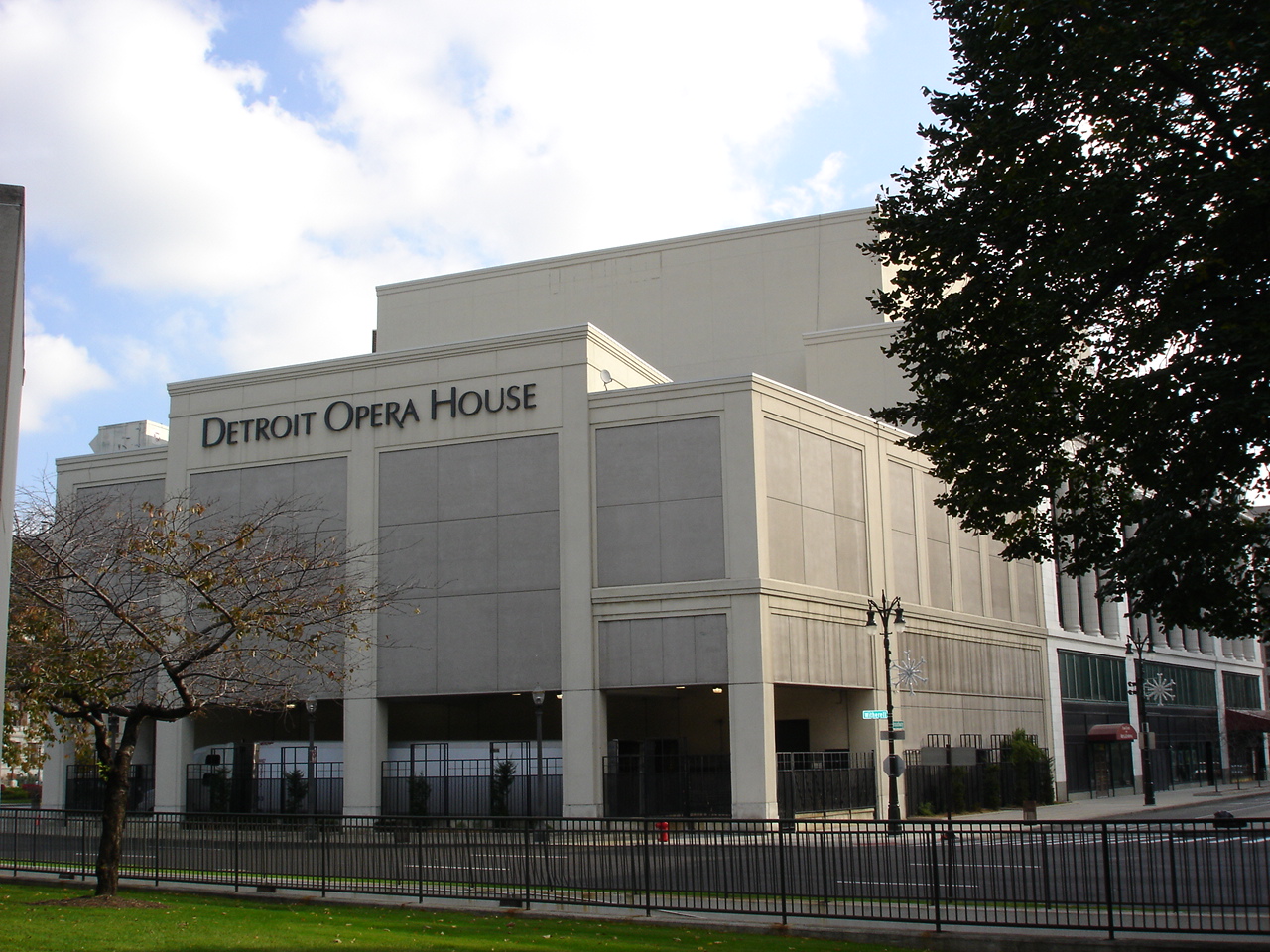
The story of Michigan Opera begins with the founding of Michigan Opera Theatre (MOT). This initiative emerged from a desire to establish a significant operatic presence in the region, offering professional productions and fostering artistic development. Early on, MOT distinguished itself by staging operas in their original languages, complemented by English supertitles, making the art form more accessible. A pivotal moment arrived when the company received a National Endowment for the Arts Access to Artistic Excellence grant to support the ambitious world premiere of Margaret Garner, a testament to its commitment to new American opera. The organization's deep roots in Detroit are further solidified by its performance venue, the Detroit Opera House, a landmark that has undergone significant revitalization, mirroring the company's own evolution. This historical trajectory, marked by artistic ambition and community engagement, laid the groundwork for its eventual rebranding.
⚙️ How It Works
Detroit Opera operates as a comprehensive performing arts institution, centered around its mainstage opera productions. The company maintains a professional orchestra, a robust chorus, and a dedicated children's chorus, all integral to its operatic presentations. Beyond opera, its programming extends to touring dance companies and musical theatre performances, broadening its appeal to a wider audience. A cornerstone of its mission is its extensive arts education and outreach initiatives, designed to cultivate future artists and opera enthusiasts within the Detroit metropolitan area and beyond. These programs often involve workshops, masterclasses, and performances in schools and community centers, ensuring that the art form reaches diverse demographics. The company's operational structure involves significant fundraising efforts, including grants from foundations like the National Endowment for the Arts, corporate sponsorships, and individual donations, crucial for sustaining its ambitious artistic and educational endeavors.
📊 Key Facts & Numbers
Since its inception, Detroit Opera has demonstrated significant financial activity, with reported revenues fluctuating annually. The company's budget supports approximately 10-12 productions annually, encompassing opera, dance, and musical theater, alongside extensive educational programming that reaches thousands of students. Its workforce comprises a core administrative staff, a large contingent of artists and musicians, and numerous volunteers, contributing to its significant economic footprint within Detroit.
👥 Key People & Organizations
The leadership of Detroit Opera has been pivotal in shaping its artistic direction and institutional growth. Patty Isacson Sabee guides the company's strategic vision and financial health. Yuval Sharon, a prominent figure in contemporary opera, holds the position of Gary L. Wasserman Artistic Director, infusing productions with innovative and forward-thinking approaches. Historically, figures like David DiChiera, the founder of Michigan Opera Theatre, were instrumental in establishing the company's foundation and initial artistic identity. The Detroit Opera House itself is a key entity, serving as the physical and symbolic heart of the organization. Support from institutions like the Ford Motor Company and the Kresge Foundation has been crucial, providing financial backing for productions and educational initiatives.
🌍 Cultural Impact & Influence
Detroit Opera has contributed to the expansion of the operatic repertoire, addressing contemporary themes and diverse narratives. The company's commitment to staging operas in their original languages with supertitles has demystified the art form for a wider audience, fostering greater appreciation. The company's extensive outreach programs, including those in partnership with Detroit Public Schools, have nurtured a new generation of artists and patrons, ensuring the art form's continued relevance. Furthermore, its revitalization of the Detroit Opera House has played a role in the broader urban renewal efforts in downtown Detroit, making it a cultural anchor.
⚡ Current State & Latest Developments
As of early 2024, Detroit Opera is actively engaged in its programming season. Under the artistic direction of Yuval Sharon, the company has been exploring innovative staging and digital integration, as seen in recent productions. The company continues to balance its commitment to classic operatic works with the commissioning of new pieces, aiming to reflect a diverse range of voices and stories. Educational outreach remains a strong focus, with ongoing partnerships and programs designed to engage young people across Michigan. Financial sustainability remains a key objective, with ongoing fundraising campaigns and strategic planning to navigate the post-pandemic landscape for live arts organizations.
🤔 Controversies & Debates
One of the most significant debates surrounding Detroit Opera, and indeed many large arts institutions, revolves around repertoire choices and the balance between traditional and contemporary works. Critics sometimes question the prioritization of established operas over new commissions, while others advocate for more adventurous programming that challenges audience expectations. The company's name change from Michigan Opera Theatre to Detroit Opera itself sparked discussion, with some viewing it as a strategic move to enhance its identity and connection to the city, while others debated the implications for its statewide reach. Furthermore, the financial model of large-scale opera companies, heavily reliant on donations and grants, is a perennial point of discussion, particularly in light of economic fluctuations and the rising costs of production.
🔮 Future Outlook & Predictions
The future of Detroit Opera appears poised for continued innovation and engagement. With Yuval Sharon at the artistic helm, expect further exploration of experimental staging, multimedia integration, and collaborations that push the boundaries of operatic performance. The company is likely to deepen its commitment to commissioning works that address social and cultural issues relevant to contemporary audiences, potentially increasing its impact and reach. Continued investment in its educational programs will be crucial for cultivating future audiences and artists, ensuring the long-term vitality of the art form in Michigan. Strategic partnerships with other cultural institutions and community organizations will likely expand, further embedding Detroit Opera within the fabric of the city and the state.
💡 Practical Applications
Detroit Opera's impact extends beyond the stage through its robust educational and community engagement programs. These initiatives offer practical applications of artistic principles, providing students with exposure to music, theater, and dance. The company's outreach efforts often involve workshops in schools, teaching students about vocal technique, stagecraft, and the history of opera, fostering creativity and discipline. For aspiring performers, the company provides opportunities through its chorus and children's chorus, offering invaluable professional experience. Furthermore, the revitalization of the Detroit Opera House serves as a model for urban cultural revitalization, demonstrating how arts institutions can act as catalysts for economic development and community pride in Detroit.
Key Facts
- Category
- culture
- Type
- topic