
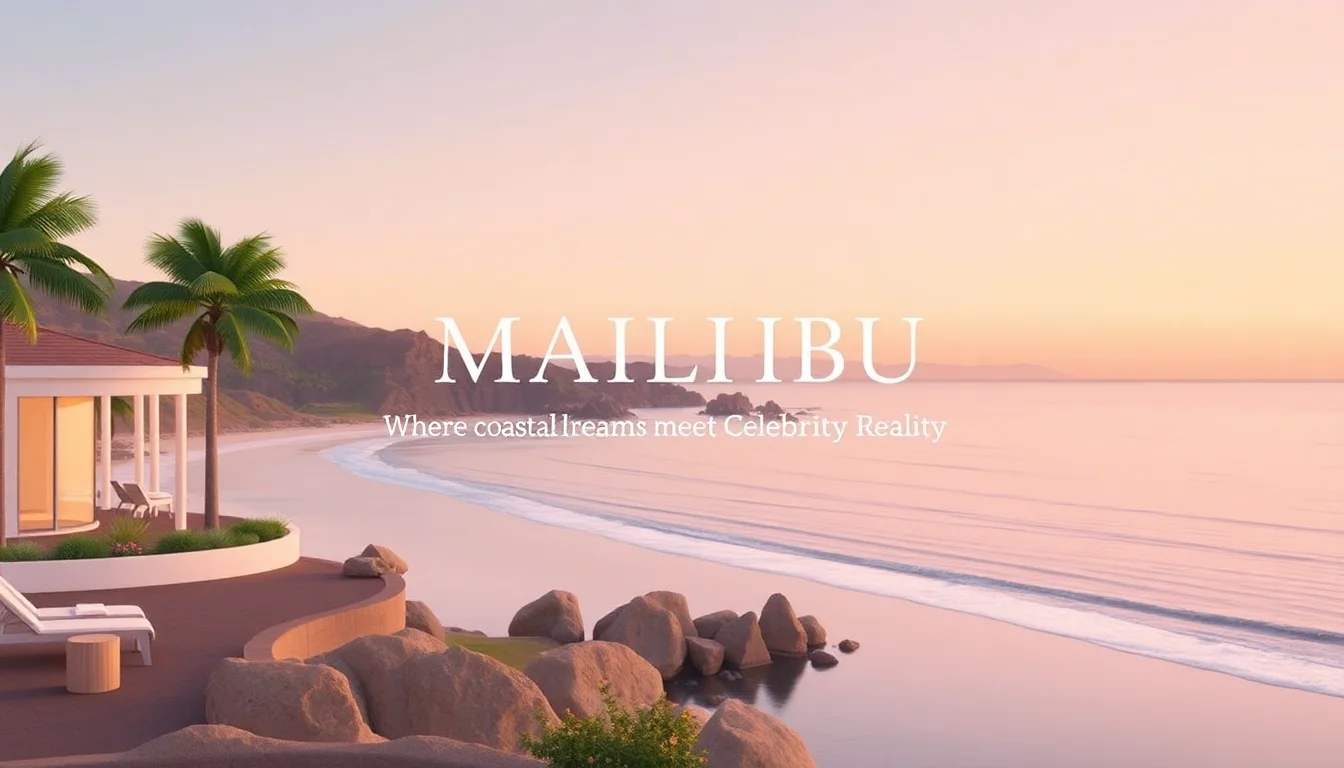
Contents
- 📍 The Lay of the Land: Where Malibu Actually Is
- 🚗 Navigating the Coast: Access & Transportation
- ☀️ When to Hit the Beach: Best Times to Visit
- 🏠 Where to Stay: From Luxury Estates to Cozy Cottages
- 🍽️ Fueling Your Malibu Vibe: Dining Recommendations
- 🏄♀️ Activities & Attractions: Beyond the Beach
- 💰 Budgeting Your Malibu Escape: What to Expect
- 🤝 Local Etiquette: Fitting In with the Malibu Crowd
- Frequently Asked Questions
- Related Topics
Overview
Malibu, California, is more than just a ZIP code; it's a global symbol of sun-drenched luxury, celebrity enclaves, and a dramatic coastline. Historically a sparsely populated ranchland, it transformed into a coveted residential area in the mid-20th century, attracting surf culture pioneers and Hollywood elite alike. Today, its sprawling beachfront estates, iconic surf breaks like Surfrider Beach, and the ever-present hum of wealth define its unique vibe. While the picturesque scenery and exclusive lifestyle are undeniable draws, the high cost of living, constant threat of wildfires, and the tension between public access and private exclusivity are critical considerations for anyone looking to understand this legendary stretch of coast.
📍 The Lay of the Land: Where Malibu Actually Is
Malibu, California, is a 27-mile-long stretch of coastline nestled between the Santa Monica Mountains and the Pacific Ocean. It's not a city in the traditional sense, but rather a collection of unincorporated communities and a small incorporated city, all sharing a distinct, sun-drenched identity. Think sprawling beachfront estates, rugged canyon trails, and a pervasive sense of laid-back luxury. Its geographic isolation, bordered by the ocean to the south and the imposing Santa Monica Mountains to the north, contributes significantly to its unique vibe.
☀️ When to Hit the Beach: Best Times to Visit
The prime time to experience Malibu is generally from April through October, when the weather is warmest and sunniest. Summer (June-August) offers the quintessential beach experience, but expect larger crowds and higher accommodation prices. Spring (April-May) and Fall (September-October) provide a more relaxed atmosphere with pleasant temperatures, ideal for hiking and enjoying the coastline without the peak-season hustle. Winter can bring cooler temperatures and occasional rain, but also offers dramatic ocean views and fewer tourists.
🏠 Where to Stay: From Luxury Estates to Cozy Cottages
Accommodation in Malibu leans heavily towards the high-end. You'll find an abundance of luxury vacation rentals and private villas, often with direct beach access and stunning ocean views. For more budget-conscious travelers, consider looking slightly inland or in neighboring Santa Monica for hotels and motels. Boutique inns and charming guesthouses do exist, but they are fewer and far between, often booked well in advance. The Nobu Ryokan represents the pinnacle of exclusive beachfront lodging.
🍽️ Fueling Your Malibu Vibe: Dining Recommendations
Malibu's culinary scene is as diverse as its landscape, ranging from casual beachfront cafes to world-class fine dining. For iconic seafood with a view, Neptune's Net is a legendary biker bar and seafood shack. For a more upscale experience, Nobu Malibu offers exquisite Japanese-Peruvian fusion with unparalleled oceanfront seating. Don't overlook the local gems like Malibu Farm Pier Cafe for organic, farm-to-table fare right on the pier. Exploring the various restaurants will reveal a spectrum of flavors.
🏄♀️ Activities & Attractions: Beyond the Beach
Beyond its famed beaches, Malibu offers a wealth of activities. Hike through the Santa Monica Mountains for breathtaking vistas, explore the Getty Villa for ancient art and architecture, or catch a performance at the Malibu Performing Arts Center. Surfing, paddleboarding, and kayaking are popular water sports, with spots like Surfrider Beach being world-renowned. For a touch of celebrity spotting, simply drive along the coast – you never know who you might see.
💰 Budgeting Your Malibu Escape: What to Expect
Malibu is not a budget destination. Expect to pay a premium for everything from accommodation and dining to parking. Luxury rentals can easily run into thousands of dollars per night. Even casual meals can be surprisingly expensive. Parking at popular beaches can also be costly, with daily rates often exceeding $20. To manage costs, consider visiting during the shoulder seasons, packing your own snacks and drinks for beach days, and exploring the free hiking trails in the mountains. Look for deals on accommodation outside of peak summer months.
🤝 Local Etiquette: Fitting In with the Malibu Crowd
Malibu residents value their privacy and the natural beauty of their surroundings. Respect private property, especially the numerous beachfront homes. Keep noise levels down, particularly in residential areas and at night. When visiting beaches, adhere to posted rules regarding fires, alcohol, and pets. A general sense of calm and respect for the environment is key to blending in. Remember, you're in a place where the lifestyle is about appreciating the ocean and the mountains, not about making a scene.
Key Facts
- Year
- 1991
- Origin
- Incorporated as a city in 1991, though its history as a distinct community dates back much further.
- Category
- Location
- Type
- City/Region
Frequently Asked Questions
What is the best way to get around Malibu?
A car is highly recommended for navigating Malibu due to its spread-out nature and limited public transport. Rental cars or ride-sharing services are your best options. While the PCH is scenic, be prepared for potential traffic, especially during peak hours and weekends. The Malibu Trolley offers specific routes connecting key points during certain times of the year, which can be a useful supplement.
Is Malibu expensive?
Yes, Malibu is notoriously expensive. Accommodation, dining, and even parking come with a significant price tag, reflecting its status as a premier coastal destination. Luxury rentals can be thousands per night, and even casual dining can be pricey. To mitigate costs, consider visiting during the off-season, packing your own food for beach days, and looking for deals on lodging slightly inland or in neighboring towns.
What are the must-visit beaches in Malibu?
For iconic surf culture, Surfrider Beach is a must. Zuma Beach offers wide sandy shores and ample space, making it great for families. El Matador State Beach is renowned for its stunning sea caves and rock formations, perfect for photography. Point Dume State Beach provides dramatic cliffside views and opportunities for whale watching during migration seasons. Each beach offers a unique experience.
Are there good hiking opportunities in Malibu?
Absolutely. The Santa Monica Mountains that form Malibu's backdrop offer extensive hiking trails. Popular options include the Point Dume Nature Preserve for coastal views and the Solstice Canyon Loop for a mix of ruins and natural beauty. The Backbone Trail offers longer, more challenging treks. These trails provide a fantastic escape from the beach crowds.
What kind of wildlife can I see in Malibu?
Malibu's diverse ecosystems support a variety of wildlife. Along the coast, you might spot dolphins, seals, and sea lions. During migration seasons (roughly December to April), gray whales are frequently seen offshore. In the mountains, keep an eye out for deer, coyotes, and various bird species, including birds of prey. The natural environment is a significant draw for nature enthusiasts.