
Contents
Overview
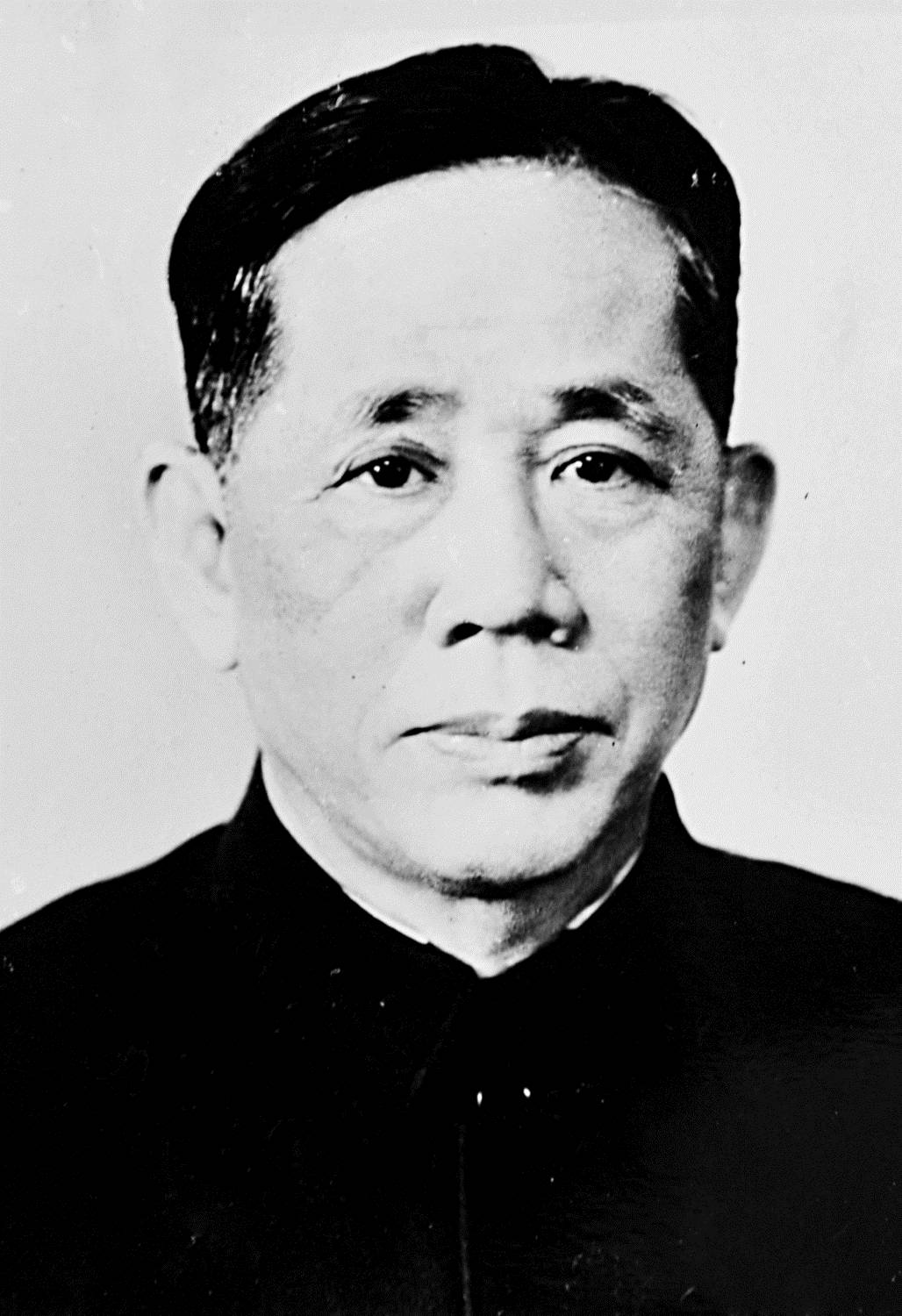
Lê Duẩn (1907-1986) was a pivotal figure in 20th-century Vietnamese history, serving as the de facto leader of North Vietnam and later the unified Vietnam for over two decades. A dedicated communist revolutionary, he rose through the ranks of the Indochinese Communist Party (later the Communist Party of Vietnam) from his early days of activism in Tonkin. His leadership coincided with Vietnam's most tumultuous periods, including the First Indochina War against the French and the protracted Vietnam War against the United States and its allies. He was instrumental in shaping Vietnam's political and economic trajectory during these critical junctures, advocating for a hardline communist approach and prioritizing national reunification above all else.
🗓️ Key Dates & Milestones
Born in Quảng Trị province, Lê Duẩn's political journey began in the 1930s, leading to his imprisonment by French colonial authorities from 1931 to 1936 and again from 1940 to 1945. He played a key role in the August Revolution of 1945, which led to the establishment of the Democratic Republic of Vietnam. He was a prominent member of the Politburo throughout the First Indochina War (1946-1954) and became First Secretary of the Workers' Party of Vietnam in 1958, a position he held until his death, effectively making him the supreme leader. His tenure saw the escalation of the conflict in the South, culminating in the Fall of Saigon in 1975 and the reunification of Vietnam under communist rule in 1976.
🏛️ Political Ideology & Legacy
Lê Duẩn was a staunch Marxist-Leninist, deeply committed to the principles of class struggle and international socialist revolution, albeit with a strong Vietnamese nationalist bent. He consistently prioritized military victory and national liberation, often advocating for more aggressive strategies than some of his contemporaries, including Ho Chi Minh in the earlier years. His vision for Vietnam was a unified, independent socialist state, free from foreign influence. Post-war, his policies focused on consolidating communist control and rebuilding the nation, though these efforts were hampered by economic mismanagement and international isolation, leading to the implementation of Đổi Mới reforms after his passing.
⚔️ Major Conflicts & Decisions
The most defining aspect of Lê Duẩn's leadership was his unwavering commitment to winning the Vietnam War. He was a key architect of the Tet Offensive in 1968, a strategic gamble that, while militarily costly for the Viet Cong and NVA, had a profound psychological impact on the United States and shifted public opinion against the war. Following reunification, he oversaw the controversial collectivization of agriculture and industry, mirroring Soviet and Chinese models, which led to significant economic hardship and internal dissent. His decisions during these periods continue to be debated by historians and political scientists regarding their necessity and long-term consequences for Vietnam.
📈 Vibepedia Vibe Score & Controversy
Lê Duẩn's Vibepedia Vibe Score is a complex 65/100, reflecting his immense historical significance and enduring influence, but also the deep controversies surrounding his leadership. On the optimistic end, he is celebrated as a national hero who achieved Vietnam's long-sought independence and reunification. However, a pessimistic lens highlights the immense human cost of the wars he prosecuted and the economic struggles that followed his rigid adherence to communist dogma. The contrarian view might question whether his leadership was truly indispensable or if alternative paths could have led to a less destructive outcome. The controversy spectrum for Lê Duẩn is high, with strong opinions on both sides of his legacy.
💡 Influence & Impact
Lê Duẩn's influence flowed directly into the political structure and national identity of modern Vietnam. His unwavering resolve during the wars cemented his image as a key architect of victory, a narrative that remains central to official Vietnamese historiography. His ideological rigidity, however, also contributed to the economic stagnation that necessitated the Đổi Mới reforms initiated by his successors. The enduring debate over his strategic decisions, particularly the Tet Offensive and post-war economic policies, continues to shape academic and public discourse about Vietnam's past and future. His life and career offer a potent case study in the intersection of revolutionary ideology, nationalist aspirations, and geopolitical conflict.
📚 Further Reading & Resources
For those seeking a deeper understanding of Lê Duẩn and his era, several resources are invaluable. The Vietnam War: An Intimate History by Geoffrey C. Ward and Ken Burns provides a comprehensive narrative context. Biographies such as Lê Duẩn: The Architect of Reunification (though often with a Vietnamese perspective) offer insights into his personal journey. Academic works on Vietnamese communism, like those by William Duiker, are essential for grasping the ideological underpinnings of his decisions. Examining primary source documents, where available, can offer direct glimpses into his thinking and directives during critical junctures of the Vietnam War.
🤔 Frequently Asked Questions
What was Lê Duẩn's primary goal? Lê Duẩn's overarching objective was the reunification of Vietnam under communist rule and the expulsion of all foreign influence. He viewed national liberation and socialist revolution as intrinsically linked, prioritizing the former to pave the way for the latter. How did Lê Duẩn differ from Ho Chi Minh? While both were communists, Lê Duẩn was generally seen as more hardline and militarily focused, particularly during the Vietnam War. Ho Chi Minh, while also committed to revolution, was often perceived as a more pragmatic and unifying figure, adept at diplomacy and broader coalition-building. What was the impact of Lê Duẩn's economic policies? Post-war economic policies under Lê Duẩn, characterized by rapid collectivization and central planning, led to widespread inefficiency, shortages, and economic hardship. This ultimately created the conditions for the Đổi Mới reforms that shifted Vietnam towards a market-oriented economy. Is Lê Duẩn considered a hero or a villain? This is the core of the controversy surrounding him. In Vietnam, he is officially lauded as a national hero and a key leader in the struggle for independence and reunification. Internationally, and among critics within Vietnam, he is often viewed more critically, with blame assigned for the immense human cost of the wars and post-war economic struggles. When did Lê Duẩn die? Lê Duẩn died on July 10, 1986, in Hanoi, Vietnam. His death occurred during a period of significant economic difficulty, shortly before the major policy shifts of Đổi Mới were fully implemented.
Key Facts
- Year
- 1907
- Origin
- Vietnam
- Category
- Politics & History
- Type
- Person
Frequently Asked Questions
What was Lê Duẩn's primary goal?
Lê Duẩn's overarching objective was the reunification of Vietnam under communist rule and the expulsion of all foreign influence. He viewed national liberation and socialist revolution as intrinsically linked, prioritizing the former to pave the way for the latter.
How did Lê Duẩn differ from Ho Chi Minh?
While both were communists, Lê Duẩn was generally seen as more hardline and militarily focused, particularly during the Vietnam War. Ho Chi Minh, while also committed to revolution, was often perceived as a more pragmatic and unifying figure, adept at diplomacy and broader coalition-building.
What was the impact of Lê Duẩn's economic policies?
Post-war economic policies under Lê Duẩn, characterized by rapid collectivization and central planning, led to widespread inefficiency, shortages, and economic hardship. This ultimately created the conditions for the Đổi Mới reforms that shifted Vietnam towards a market-oriented economy.
Is Lê Duẩn considered a hero or a villain?
This is the core of the controversy surrounding him. In Vietnam, he is officially lauded as a national hero and a key leader in the struggle for independence and reunification. Internationally, and among critics within Vietnam, he is often viewed more critically, with blame assigned for the immense human cost of the wars and post-war economic struggles.
When did Lê Duẩn die?
Lê Duẩn died on July 10, 1986, in Hanoi, Vietnam. His death occurred during a period of significant economic difficulty, shortly before the major policy shifts of Đổi Mới were fully implemented.