
Contents
- 📍 The Kidney: Your Body's Essential Filter
- ⚙️ How Kidneys Actually Work: A Biological Marvel
- ⚖️ Kidney Health: What's Your Vibe Score?
- ⚠️ When Things Go Wrong: Common Kidney Issues
- 🔬 The Science Behind Kidney Function: From Nephrons to Hormones
- 🏥 Medical Interventions: Dialysis and Transplants
- 💡 Kidney Research: The Cutting Edge
- 📚 Further Exploration: Deepening Your Kidney Knowledge
- Frequently Asked Questions
- Related Topics
Overview
Kidneys are vital bean-shaped organs, each roughly the size of a fist, responsible for filtering waste products from the blood and producing urine. Beyond filtration, they play a critical role in regulating blood pressure, electrolyte balance, and red blood cell production. The intricate network of nephrons within each kidney processes approximately 180 liters of blood daily, a testament to their ceaseless work. Understanding kidney function is paramount, as their failure can lead to severe health complications, including the need for dialysis or transplantation. Their complex interplay with hormones and other bodily systems highlights their status as a central pillar of overall health.
📍 The Kidney: Your Body's Essential Filter
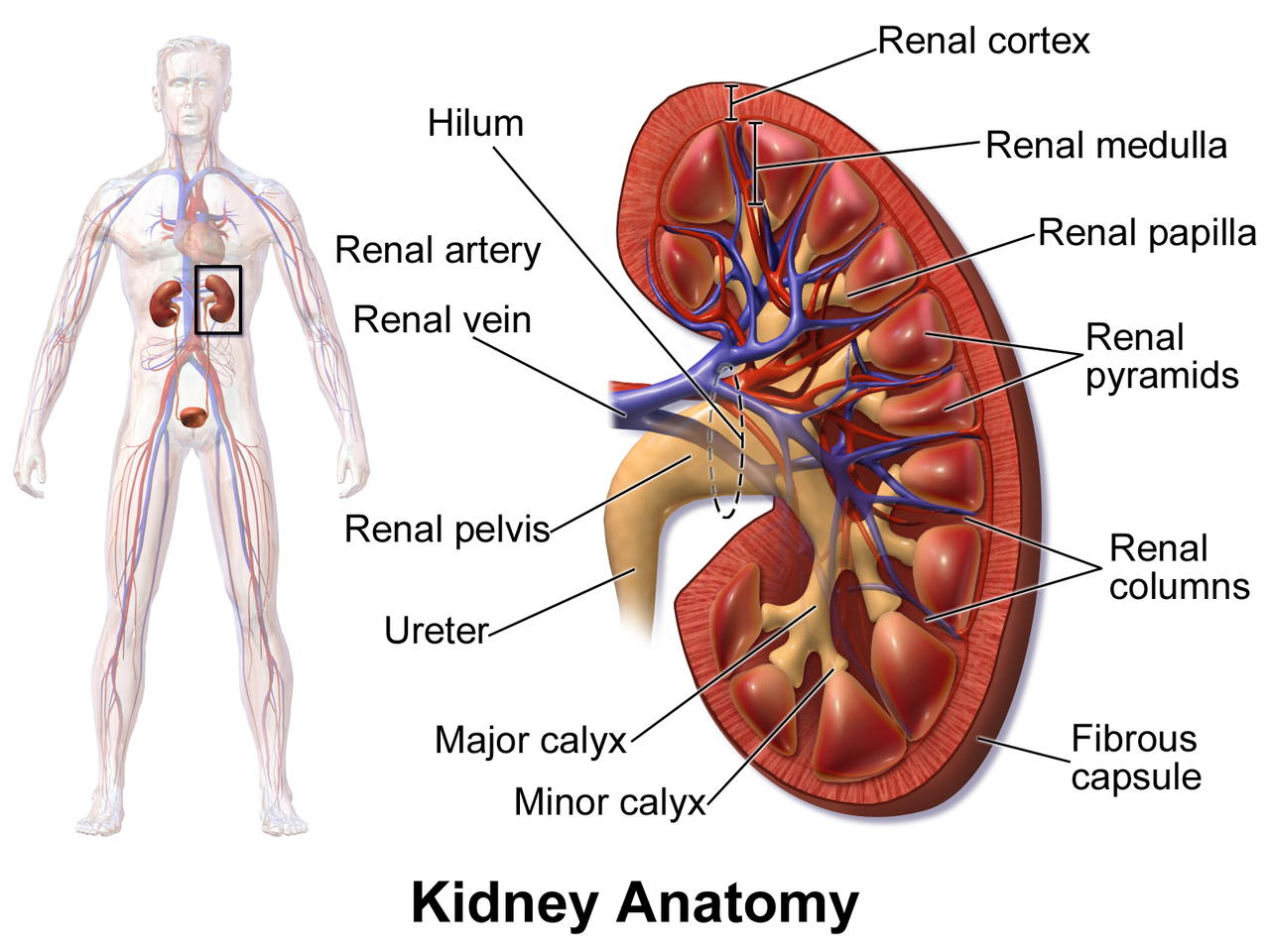
The kidney, a pair of bean-shaped organs nestled in your back, is the unsung hero of your circulatory system. Roughly 12 centimeters long in adults, these reddish-brown powerhouses are responsible for filtering your blood, removing waste products, and maintaining crucial fluid and electrolyte balance. Without them, your body would quickly become a toxic environment. Understanding their fundamental role is the first step to appreciating their vital importance to overall health.
⚙️ How Kidneys Actually Work: A Biological Marvel
At its core, a kidney functions like a sophisticated biological filter. Blood enters through the renal artery, where millions of tiny filtering units called nephron get to work. These nephrons meticulously sift through your blood, reabsorbing essential nutrients and water while excreting waste products like urea and excess salts into urine. This urine then travels down the ureter to the bladder for storage and eventual elimination. It's a continuous, high-volume process that keeps your internal environment stable.
⚖️ Kidney Health: What's Your Vibe Score?
Assessing your kidney health isn't about a single number, but a constellation of factors. A good vibe score for kidney health means your blood pressure is well-managed, your blood sugar levels are in check (especially if you have diabetes), and your urine tests are clear of protein and blood. Regular check-ups with a nephrologist can provide a more precise understanding of your kidney's current operational status and identify any nascent issues before they escalate.
⚠️ When Things Go Wrong: Common Kidney Issues
When kidneys falter, the consequences can be severe. chronic kidney disease is a progressive loss of kidney function, often silently developing over years. Acute kidney injury, on the other hand, is a sudden decline. Symptoms can range from fatigue and swelling to changes in urination patterns. Conditions like hypertension and diabetes are major culprits, highlighting the interconnectedness of your body's systems. Ignoring these signs can lead to irreversible damage.
🔬 The Science Behind Kidney Function: From Nephrons to Hormones
The intricate science of kidney function involves more than just filtration. Nephrons, each containing a glomerulus and a tubule, are the microscopic workhorses. Beyond filtering, kidneys produce hormones like erythropoietin, which stimulates red blood cell production, and renin, which helps regulate blood pressure. They also play a role in activating vitamin D, essential for bone health. This hormonal and metabolic output underscores their systemic importance.
🏥 Medical Interventions: Dialysis and Transplants
For individuals with severe kidney failure, dialysis and kidney transplantation become life-sustaining options. Dialysis artificially performs the filtering function, either through hemodialysis (blood filtered externally) or peritoneal dialysis (using the abdominal lining). A transplant involves surgically replacing a diseased kidney with a healthy one from a donor. Both are complex medical procedures with significant implications for a patient's quality of life and long-term prognosis.
💡 Kidney Research: The Cutting Edge
The future of kidney care is bright with ongoing research. Scientists are exploring innovative treatments for kidney disease, including regenerative medicine and gene therapies aimed at repairing damaged kidney tissue. Advances in artificial kidney technology promise more portable and efficient dialysis solutions. The goal is to move beyond managing disease to actively restoring kidney function and preventing the need for transplants altogether.
📚 Further Exploration: Deepening Your Kidney Knowledge
To truly grasp the significance of your kidneys, consider exploring the detailed anatomy of the nephron, the impact of diet on kidney function, and the latest advancements in kidney disease prevention. Understanding the interplay between your kidneys and other bodily systems, like the cardiovascular and endocrine systems, offers a comprehensive view of their indispensable role in maintaining life. The more you know, the better you can advocate for your own renal health.
Key Facts
- Year
- Ancient Origins (documented in medical texts dating back to ancient Egypt and Greece)
- Origin
- Biological Evolution
- Category
- Human Biology
- Type
- Organ System Component
Frequently Asked Questions
What are the main functions of the kidneys?
The primary functions of the kidneys include filtering waste products from the blood, regulating fluid and electrolyte balance, controlling blood pressure, and producing hormones essential for red blood cell production and vitamin D activation. They are essentially the body's sophisticated purification and regulatory system, ensuring a stable internal environment for all other organs to function optimally.
What are the early signs of kidney problems?
Early signs of kidney problems can be subtle and often overlooked. These may include fatigue, changes in urination frequency or appearance (foamy urine, blood in urine), swelling in the legs and ankles, persistent itching, and muscle cramps. High blood pressure and diabetes are significant risk factors, so individuals with these conditions should be particularly vigilant.
How can I keep my kidneys healthy?
Maintaining kidney health involves several lifestyle choices. Staying hydrated, managing blood pressure and blood sugar levels, eating a balanced diet low in sodium and processed foods, regular exercise, and avoiding excessive use of NSAID pain relievers are crucial. Regular medical check-ups, especially if you have risk factors, are also vital for early detection of any issues.
What is the difference between acute and chronic kidney disease?
Acute kidney injury (AKI) is a sudden loss of kidney function that occurs over hours or days, often reversible with prompt treatment. Chronic kidney disease (CKD), on the other hand, is a gradual, progressive loss of kidney function that occurs over months or years and is typically irreversible. CKD often develops silently until significant damage has occurred.
When is dialysis or a kidney transplant necessary?
Dialysis or a kidney transplant becomes necessary when a patient's kidneys have failed to the point where they can no longer adequately filter waste and excess fluid from the body. This is usually determined by a nephrologist based on GFR levels and the presence of severe symptoms of kidney failure. These treatments are life-sustaining interventions.
Can diet significantly impact kidney health?
Yes, diet plays a critical role in kidney health. A diet high in sodium, processed foods, and excessive protein can strain the kidneys. Conversely, a balanced diet rich in fruits, vegetables, and whole grains, while managing sodium and potassium intake, can help support kidney function and slow the progression of kidney disease. Specific dietary recommendations often depend on the stage of kidney disease.