
Contents
Overview
The genesis of modern Karnataka traces back to November 1, 1956, with the linguistic reorganization of states, consolidating the Kannada-speaking regions into the Mysore State. This monumental shift, enacted through the States Reorganisation Act, brought together the princely state of Mysore with areas from the Bombay Presidency, Hyderabad State, and Madras Presidency. The name was officially changed to Karnataka in 1973, reflecting a deeper historical and cultural identity. This unification wasn't merely administrative; it was a conscious effort to forge a distinct political and cultural entity, laying the groundwork for the state's future trajectory, influenced by historical powers like the Vijayanagara Empire and the Wodeyars.
⚙️ How It Works
Karnataka functions as a federal state within the Republic of India, with a parliamentary system of governance. The Governor, appointed by the President of India, serves as the constitutional head, while the Chief Minister leads the executive branch, responsible to the state legislature. The legislature is bicameral, comprising the Legislative Assembly (Vidhana Sabha) and the Legislative Council (Vidhana Parishad). Its economy is driven by a diverse mix of agriculture, manufacturing, and a burgeoning services sector, particularly in Information Technology (IT) and biotechnology, centered in its capital, Bengaluru. The state's administrative structure is further divided into districts, each with its own local governance mechanisms.
📊 Key Facts & Numbers
Karnataka is a state of significant scale and economic clout. With a population of over 61 million as per the 2011 census, it ranks as the eighth most populous state in India. Its geographical area spans 191,791 square kilometers, making it the seventh-largest state by area. The state's Gross State Domestic Product (GSDP) is projected to hit ₹25.01 trillion (US$260 billion) for the financial year 2023-24, with a per capita GSDP of ₹332,926 (US$3,500). In the fiscal year 2023-24, Karnataka recorded an impressive GSDP growth rate of 10.2%. Bengaluru, the capital, is home to over 15 million residents, solidifying its position as the state's largest urban center and a major economic engine.
👥 Key People & Organizations
The political landscape of Karnataka has seen prominent figures shape its governance. Siddaramaiah has served multiple terms as Chief Minister, notably leading the Indian National Congress party to significant electoral victories. Basavaraj Bommai of the Bharatiya Janata Party (BJP) also held the Chief Minister's office, representing a different political ideology. The state's administrative machinery is overseen by the Governor, with Thawar Chand Gehlot currently holding the position. Beyond politics, the Infosys co-founder N. R. Narayana Murthy is a titan of industry, synonymous with Bengaluru's IT revolution, while figures like Sir M. Visvesvaraya are revered for their contributions to engineering and administration in the pre-independence era.
🌍 Cultural Impact & Influence
Karnataka's cultural footprint is immense, deeply rooted in its classical traditions and amplified by its modern technological prowess. The state is the cradle of Carnatic music, with legendary figures like Saint Tyagaraja and Purandara Dasa shaping its melodic contours. Its dance forms, such as Bharatanatyam and Yakshagana, are celebrated nationally and internationally. The literary heritage, rich with Kannada literature from poets like Kuvempu, has earned numerous Jnanpith Awards. The global recognition of Bengaluru as 'India's Silicon Valley' has also infused a unique cosmopolitan vibe, blending traditional arts with a dynamic, forward-looking urban culture.
⚡ Current State & Latest Developments
As of 2024, Karnataka continues to be a frontrunner in India's economic development, particularly in the IT sector. Bengaluru remains the undisputed IT capital, attracting significant foreign investment and fostering a vibrant startup ecosystem, with companies like Wipro and TCS maintaining substantial operations. The state government, under Chief Minister Siddaramaiah, is focusing on social welfare schemes and infrastructure development, including advancements in Bengaluru's metro network and renewable energy projects. Efforts are also underway to boost manufacturing and address regional disparities, ensuring that the state's growth is inclusive and sustainable.
🤔 Controversies & Debates
The rapid urbanization and economic growth of Karnataka, especially Bengaluru, have ignited significant debates. Environmental concerns, such as water scarcity and pollution, are paramount, with discussions around the sustainability of the IT industry's water consumption and the impact of unchecked development on the Arkavathi River basin. The stark contrast between the state's high per capita income and persistent rural poverty fuels discussions on equitable development and the effectiveness of social welfare programs. Furthermore, the political discourse often centers on linguistic identity, regional development, and the allocation of resources between urban and rural areas, reflecting the diverse aspirations within the state.
🔮 Future Outlook & Predictions
The future trajectory of Karnataka appears poised for continued technological and economic expansion, albeit with significant challenges. Projections suggest Bengaluru will solidify its position as a global technology hub, potentially attracting even more multinational corporations and venture capital. The state government aims to diversify its economy further, with a focus on biotechnology, aerospace, and advanced manufacturing. However, addressing infrastructure bottlenecks, managing urban sprawl, and ensuring equitable distribution of wealth will be critical. The state's ability to navigate environmental sustainability and social equity will define its long-term success and its role as a model for other Indian states.
💡 Practical Applications
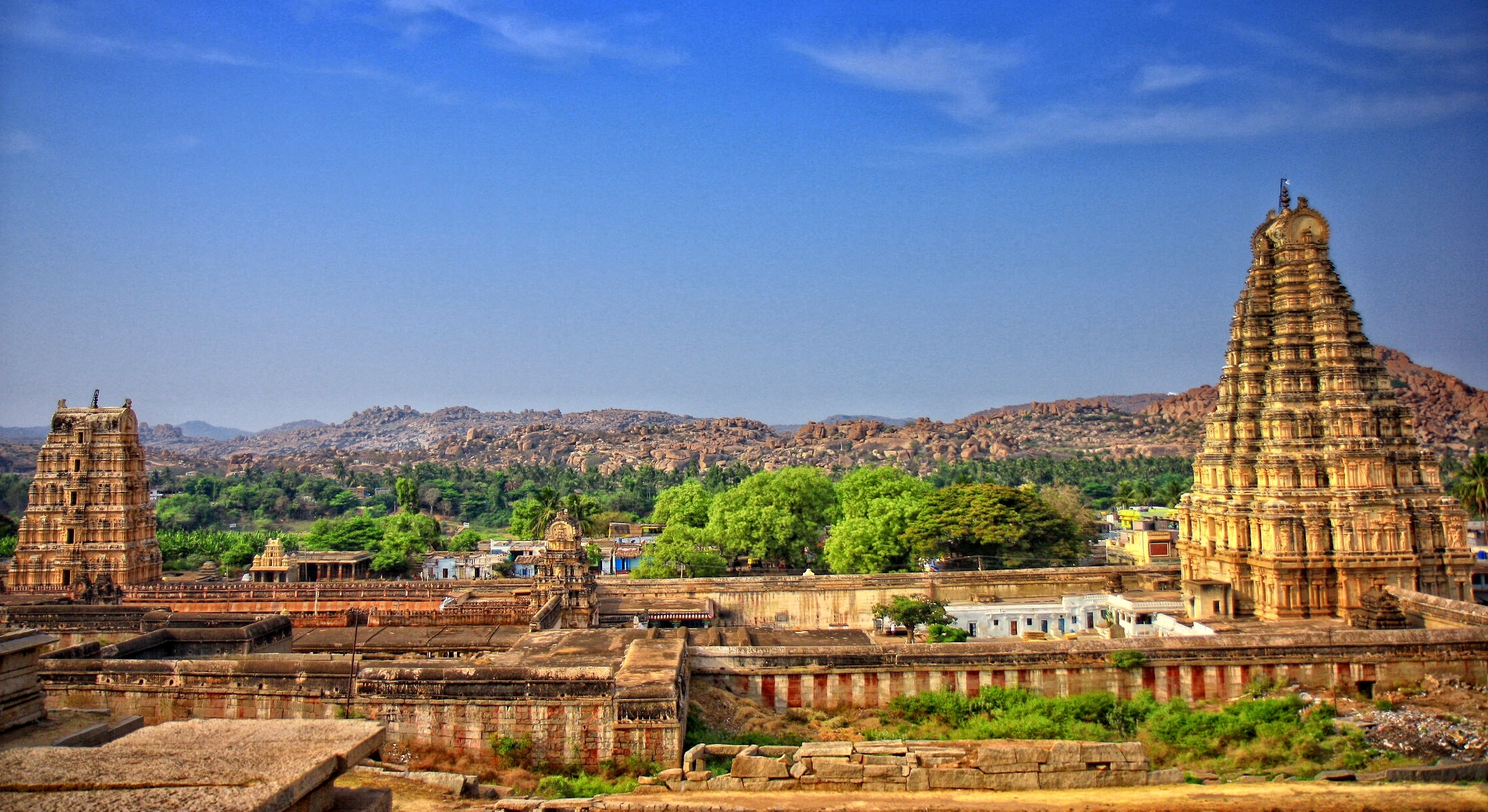
Karnataka's influence extends across various practical domains, most notably in technology and innovation. Bengaluru's role as the 'Silicon Valley of India' means that many of the software solutions and digital services used globally originate from companies headquartered or with major R&D centers in the state, including giants like Infosys and Wipro. The state's agricultural sector also benefits from technological advancements in irrigation, crop management, and biotechnology, improving yields and sustainability. Furthermore, its rich cultural heritage is a significant draw for tourism, supporting local economies through heritage sites like Hampi and Mysore Palace.
Key Facts
- Category
- culture
- Type
- place