
Contents
Overview
Jaipur's genesis dates back to 1727, when Maharaja Sawai Jai Singh II, the ruler of Amer and a scion of the Kachwaha Rajput clan, decided to relocate his capital. Dissatisfied with the limitations of Amer, he commissioned the renowned architect Vidyadhar Bhattacharya to design a new, fortified city. Bhattacharya's vision was a grid-based metropolis, a radical departure from the organic growth typical of Indian cities at the time, drawing inspiration from Vastu Shastra and Shilpa Shastra principles. The city was strategically laid out in nine rectangular sectors, symbolizing the nine divisions of the universe, with wide avenues and distinct zones for palaces, markets, and residences. This deliberate planning, executed with remarkable precision, established Jaipur as a pioneering example of modern urbanism in India, a stark contrast to the more haphazard development seen elsewhere, even during the British colonial era when it served as the capital of Jaipur State.
⚙️ How It Works
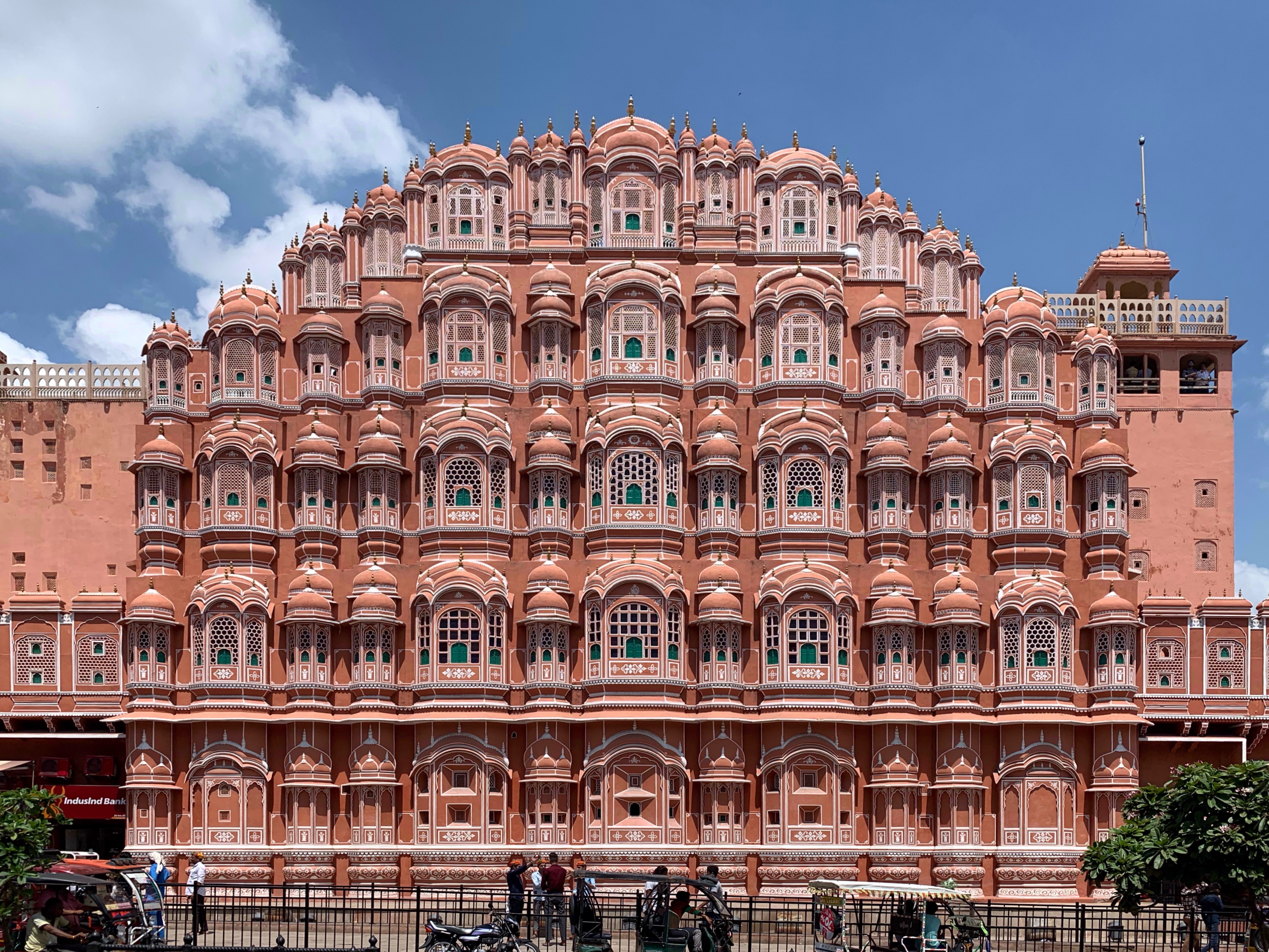
The urban fabric of Jaipur is a testament to its planned origins, designed with both aesthetic grandeur and functional efficiency. The city's layout follows a strict grid system, with major roads intersecting at right angles, creating distinct blocks. The historic walled city, a UNESCO World Heritage site, is divided into nine sectors, with the City Palace complex and Hawa Mahal occupying prominent central positions. The architecture, predominantly in shades of terracotta pink, was a deliberate choice made in 1876 to welcome the Prince of Wales (later King Edward VII), a tradition that has been legally enforced since. The city's water management system, though ancient, was remarkably sophisticated for its time, incorporating reservoirs and channels to supply its growing population. Modern Jaipur, however, grapples with the challenges of rapid urbanization, with infrastructure development often struggling to keep pace with population growth, leading to a complex interplay between its historical core and sprawling modern extensions.
📊 Key Facts & Numbers
Jaipur's population stood at approximately 3.1 million as of the 2011 census, making it the tenth most populous city in India. The metropolitan area, however, encompasses a larger population, reflecting its status as a major urban center. The city spans an area of roughly 467 square kilometers within its municipal limits, though its urban agglomeration extends significantly further. Jaipur is situated at an elevation of approximately 431 meters (1,414 feet) above sea level. Its economic output is substantial, contributing significantly to Rajasthan's GDP, with key sectors including tourism, handicrafts, textiles, and increasingly, IT and manufacturing. The city attracts millions of tourists annually, generating substantial revenue, with estimates suggesting over 2 million foreign tourists and many more domestic visitors each year.
👥 Key People & Organizations
The founding of Jaipur is inextricably linked to Maharaja Sawai Jai Singh II, its visionary ruler and namesake, who commissioned its construction in 1727. The architect Vidyadhar Bhattacharya was the principal planner, translating Jai Singh II's vision into a tangible urban design. During the British colonial period, the city was governed by successive rulers of the Kachwaha clan, who maintained Jaipur as the capital of Jaipur State. Post-independence, Jaipur became the capital of Rajasthan, with figures like Ashok Gehlot and Vasundhara Raje serving as Chief Ministers of the state, overseeing the city's development. The Jaipur Municipal Corporation is the administrative body responsible for the city's governance, with its mayor playing a key role in local development initiatives.
🌍 Cultural Impact & Influence
Jaipur's cultural influence extends far beyond its geographical boundaries, primarily through its distinctive architecture, vibrant textiles, and rich artistic traditions. The 'Pink City' aesthetic has become an iconic symbol of Rajasthan, influencing urban design and tourism marketing across India. The city is a global hub for gemstone cutting and polishing, with a significant portion of the world's gemstones being processed here, impacting the international jewelry market. Jaipur's handicrafts, including blue pottery, block printing, and Meenakari (enamel work), are celebrated worldwide, sustaining traditional artisan communities. The city's cultural resonance is amplified by its role in the Golden Triangle tourist circuit, drawing international attention to its heritage and contributing to a global perception of Indian royalty and craftsmanship. The city's vibrant festivals, such as Teej and Gangaur, also showcase its deep-rooted cultural practices to a global audience.
⚡ Current State & Latest Developments
In the contemporary landscape of 2024-2025, Jaipur continues to evolve as a major Indian metropolis. The city is actively pursuing smart city initiatives, aiming to integrate technology into urban management and improve citizen services, a project spearheaded by the Jaipur Smart City Limited. Tourism remains a dominant economic driver, with ongoing efforts to enhance infrastructure and visitor experiences, including the development of new convention centers and hospitality services. The city is also emerging as a significant educational hub, with several new universities and research institutions establishing campuses. However, like many rapidly growing Indian cities, Jaipur faces persistent challenges related to traffic congestion, waste management, and ensuring equitable development across its diverse population, issues frequently highlighted in local media outlets like Patrika.com and Dainik Bhaskar.
🤔 Controversies & Debates
The planning of Jaipur, while lauded, has not been without its critics and controversies. One persistent debate revolves around the preservation of its historic character versus the demands of modernization and population growth. The expansion of the city beyond its original walls has led to concerns about the dilution of its unique architectural identity and the encroachment on historical sites. Furthermore, issues of urban sprawl, traffic management, and the strain on resources like water and electricity are ongoing points of contention, often debated in local governance forums and reported by news agencies such as Prabhasakshi.com. The implementation of new development projects, such as elevated roads or commercial complexes, frequently sparks public discourse regarding their impact on heritage sites and the quality of life for residents. The management of tourism, while economically vital, also faces scrutiny regarding sustainability and the potential for over-tourism to degrade the very heritage that attracts visitors.
🔮 Future Outlook & Predictions
The future trajectory of Jaipur appears to be one of continued growth, balancing its historical legacy with the imperatives of a modern global city. Projections suggest the population will continue to rise, necessitating further expansion of infrastructure, public transport, and housing. The city is poised to strengthen its position as a key player in India's tourism sector, with potential investments in niche tourism segments like heritage hotels and wellness retreats. The integration of technology through smart city initiatives is expected to accelerate, potentially improving efficiency in services like transportation and utilities. However, the success of these future endeavors hinges on effective urban planning that prioritizes sustainable development, environmental protection, and the preservation of Jaipur's unique cultural heritage, a challenge that will likely involve ongoing debate and policy adjustments by the Rajasthan government.
💡 Practical Applications
Jaipur's planned urban structure and rich heritage offer numerous practical applications and serve as a model for urban development. Its grid-based layout and distinct zoning principles are studied in urban planning courses worldwide as an example of early modern city design. The city's architectural style, particularly the use of pink sandsto
Key Facts
- Category
- culture
- Type
- topic