
Contents
- 🌊 Introduction to the Isle of Wight
- 🏞️ Geography and Climate
- 🌴 Natural Beauty and Landscapes
- 🏙️ Settlements and Towns
- 📚 History and Heritage
- 🏛️ Administrative Centre and Government
- 🚣♀️ Transportation and Infrastructure
- 🌈 Culture and Tourism
- 📊 Economy and Industry
- 👥 Demographics and Community
- 🚨 Challenges and Controversies
- 🌟 Future Developments and Prospects
- Frequently Asked Questions
- Related Topics
Overview
The Isle of Wight, located off the coast of southern England, boasts a Vibe score of 82, reflecting its high cultural energy. With a history dating back to the Mesolithic era, the island has been a hub for various movements, including the 19th-century Victorian seaside resorts and the 1970 Isle of Wight Festival, which drew over 600,000 attendees. However, the island's growth has also sparked controversy, with concerns over tourism's impact on the local environment and infrastructure. As a skeptic, one might question the island's ability to balance its economic and environmental needs. From a futurist perspective, the Isle of Wight's unique blend of natural beauty and cultural significance positions it for potential growth as a sustainable tourism destination. With its rich history, stunning landscapes, and vibrant cultural scene, the Isle of Wight is a place where the past, present, and future converge, making it an intriguing subject for exploration and debate.
🌊 Introduction to the Isle of Wight
The Isle of Wight, located off the south coast of England, is a haven of natural beauty and rich history. With its stunning landscapes and diverse wildlife, the island is a popular destination for tourists and a desirable place to live. The island is also a ceremonial county, with its own administrative centre and government. For more information on the island's history, visit the Isle of Wight Museum or explore the Isle of Wight Tourism website. The island's unique geography and climate make it an ideal location for outdoor activities, such as hiking and cycling, which can be found on the Isle of Wight Outdoors page.
🏞️ Geography and Climate
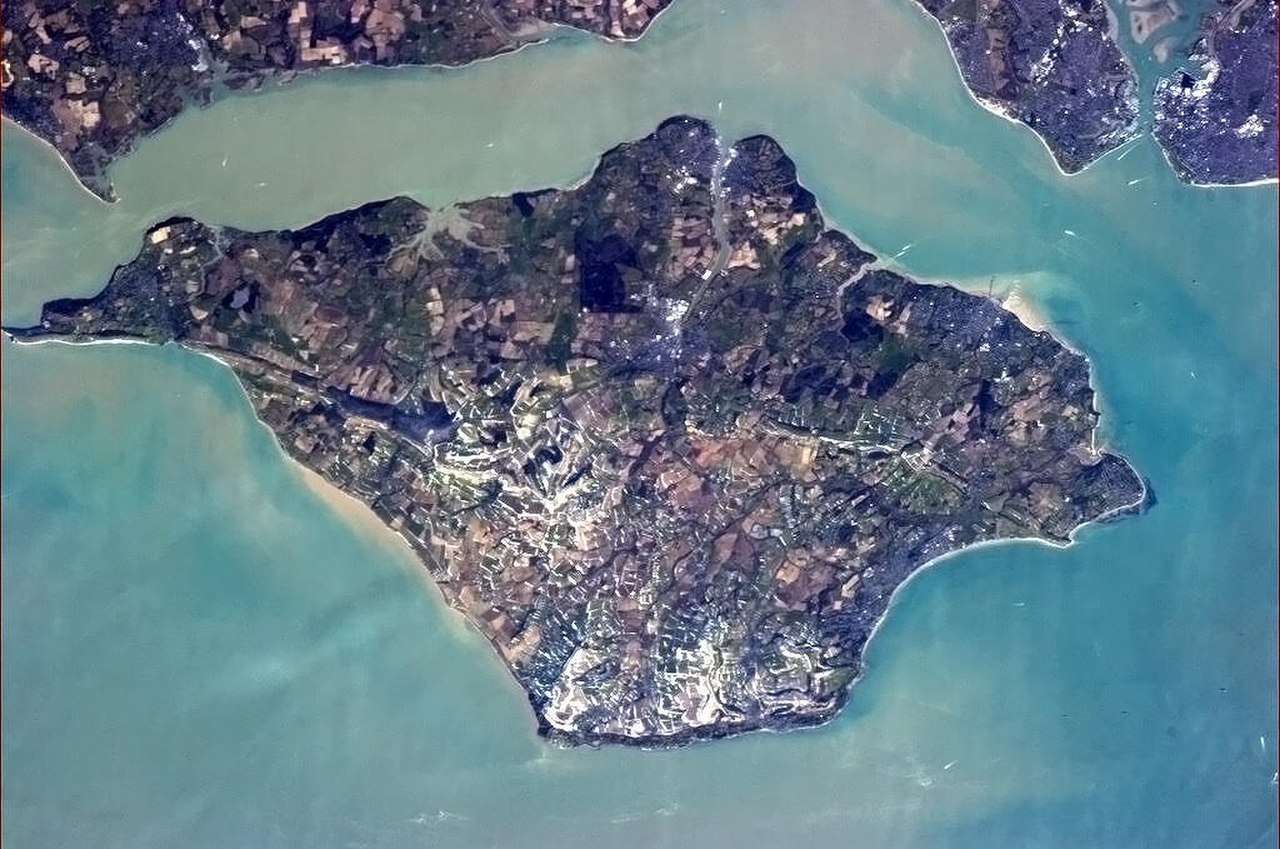
The Isle of Wight is bordered by Hampshire across the Solent strait to the north, and is otherwise surrounded by the English Channel. The island's geography is characterized by its rugged coastline, sandy beaches, and rolling hills. The climate is generally mild, with warm summers and mild winters. For more information on the island's geography and climate, visit the Isle of Wight Geography page or check out the Isle of Wight Weather forecast. The island's natural beauty is also home to a wide range of flora and fauna, which can be explored on the Isle of Wight Wildlife page.
🌴 Natural Beauty and Landscapes
The island's natural beauty is one of its most significant attractions, with its stunning landscapes and diverse wildlife. The island is home to a wide range of flora and fauna, including many rare and endangered species. For more information on the island's natural beauty, visit the Isle of Wight Nature Reserves page or explore the Isle of Wight Parks and Gardens. The island's landscapes are also dotted with historic sites and monuments, such as the Isle of Wight Castles and the Isle of Wight Historic Houses.
🏙️ Settlements and Towns
The island's largest settlement is Ryde, which is a popular tourist destination and a hub for outdoor activities. The administrative centre is Newport, which is home to the island's government and many of its public services. For more information on the island's settlements and towns, visit the Isle of Wight Towns page or explore the Isle of Wight Villages. The island is also home to many smaller villages and hamlets, each with its own unique character and charm, which can be found on the Isle of Wight Communities page.
📚 History and Heritage
The Isle of Wight has a rich and varied history, with evidence of human habitation dating back to the Mesolithic era. The island has been an important centre for trade and commerce, and has played a significant role in many major historical events. For more information on the island's history, visit the Isle of Wight History page or explore the Isle of Wight Heritage website. The island is also home to many historic sites and monuments, such as the Isle of Wight Museums and the Isle of Wight Historic Sites.
🏛️ Administrative Centre and Government
The island's administrative centre is Newport, which is home to the island's government and many of its public services. The island has its own council, which is responsible for providing a wide range of services to residents and visitors. For more information on the island's government and administration, visit the Isle of Wight Council page or explore the Isle of Wight Public Services. The island is also home to many community organizations and charities, which can be found on the Isle of Wight Community Groups page.
🚣♀️ Transportation and Infrastructure
The island has a well-developed transportation network, with regular ferry services connecting it to the mainland. The island is also home to a number of airports, including the Isle of Wight Airport. For more information on the island's transportation and infrastructure, visit the Isle of Wight Transport page or explore the Isle of Wight Roads. The island is also a popular destination for cyclists and walkers, with many scenic routes and trails to explore, which can be found on the Isle of Wight Cycling page.
🌈 Culture and Tourism
The Isle of Wight is a popular tourist destination, with its natural beauty, rich history, and vibrant culture. The island is home to a wide range of attractions and activities, including museums, historic sites, and outdoor pursuits. For more information on the island's tourism industry, visit the Isle of Wight Tourism Industry page or explore the Isle of Wight Events. The island is also home to a thriving arts scene, with many galleries and festivals throughout the year, which can be found on the Isle of Wight Arts page.
📊 Economy and Industry
The island's economy is diverse, with a mix of industries including tourism, agriculture, and manufacturing. The island is also home to a number of small businesses and entrepreneurs, which can be found on the Isle of Wight Business page. For more information on the island's economy and industry, visit the Isle of Wight Economy page or explore the Isle of Wight Jobs. The island is also a popular destination for investors, with many opportunities for development and growth, which can be found on the Isle of Wight Investment page.
👥 Demographics and Community
The island has a population of around 140,000 people, with a diverse range of ages, backgrounds, and interests. The island is also home to a number of community groups and organizations, which can be found on the Isle of Wight Community page. For more information on the island's demographics and community, visit the Isle of Wight Demographics page or explore the Isle of Wight Population. The island is also a popular destination for students, with many educational institutions and opportunities, which can be found on the Isle of Wight Education page.
🚨 Challenges and Controversies
The island faces a number of challenges, including a declining population and a lack of affordable housing. The island is also vulnerable to the impacts of climate change, with rising sea levels and more frequent extreme weather events. For more information on the island's challenges and controversies, visit the Isle of Wight Challenges page or explore the Isle of Wight Controversies. The island is also home to many community-led initiatives and projects, which can be found on the Isle of Wight Community Projects page.
🌟 Future Developments and Prospects
The island has a bright future ahead, with many opportunities for growth and development. The island is also home to a number of innovative businesses and entrepreneurs, which can be found on the Isle of Wight Innovation page. For more information on the island's future developments and prospects, visit the Isle of Wight Future page or explore the Isle of Wight Development. The island is also a popular destination for visitors, with many attractions and activities to explore, which can be found on the Isle of Wight Tourist Information page.
Key Facts
- Year
- 1970
- Origin
- England, UK
- Category
- Geography and Culture
- Type
- Island
Frequently Asked Questions
What is the largest settlement on the Isle of Wight?
The largest settlement on the Isle of Wight is Ryde, which is a popular tourist destination and a hub for outdoor activities. For more information on Ryde, visit the Ryde page or explore the Isle of Wight Towns page. The town has a population of around 30,000 people and is home to many shops, restaurants, and attractions.
What is the administrative centre of the Isle of Wight?
The administrative centre of the Isle of Wight is Newport, which is home to the island's government and many of its public services. For more information on Newport, visit the Newport page or explore the Isle of Wight Council page. The town has a population of around 25,000 people and is a hub for community activity and events.
What is the population of the Isle of Wight?
The population of the Isle of Wight is around 140,000 people, with a diverse range of ages, backgrounds, and interests. For more information on the island's demographics and community, visit the Isle of Wight Demographics page or explore the Isle of Wight Population. The island is also home to many community groups and organizations, which can be found on the Isle of Wight Community page.
What are the main industries on the Isle of Wight?
The main industries on the Isle of Wight include tourism, agriculture, and manufacturing. The island is also home to a number of small businesses and entrepreneurs, which can be found on the Isle of Wight Business page. For more information on the island's economy and industry, visit the Isle of Wight Economy page or explore the Isle of Wight Jobs. The island is also a popular destination for investors, with many opportunities for development and growth.
What are the main attractions on the Isle of Wight?
The main attractions on the Isle of Wight include its natural beauty, rich history, and vibrant culture. The island is home to a wide range of attractions and activities, including museums, historic sites, and outdoor pursuits. For more information on the island's tourism industry, visit the Isle of Wight Tourism Industry page or explore the Isle of Wight Events. The island is also home to a thriving arts scene, with many galleries and festivals throughout the year.
How do I get to the Isle of Wight?
The Isle of Wight is accessible by ferry, with regular services connecting it to the mainland. The island is also home to a number of airports, including the Isle of Wight Airport. For more information on the island's transportation and infrastructure, visit the Isle of Wight Transport page or explore the Isle of Wight Roads. The island is also a popular destination for cyclists and walkers, with many scenic routes and trails to explore.
What is the vibe of the Isle of Wight?
The Isle of Wight has a unique and vibrant vibe, with a strong sense of community and a thriving arts scene. The island is home to a wide range of attractions and activities, including museums, historic sites, and outdoor pursuits. For more information on the island's culture and tourism, visit the Isle of Wight Culture page or explore the Isle of Wight Tourism website. The island is also a popular destination for visitors, with many attractions and activities to explore.