
Contents
- 📜 What is Islamic Mythology?
- 🕌 Beyond the Quran: Key Narratives
- 🌟 The Kaaba: A Mythic Centerpiece
- 🌌 Creation and the Afterlife: Shared Roots
- ✨ Angels, Jinn, and the Unseen
- 📚 Sources and Interpretations: A Contested Field
- ⚖️ Myth vs. Theology: Navigating the Lines
- 🌐 Vibe Score & Controversy Spectrum
- Frequently Asked Questions
- Related Topics
Overview
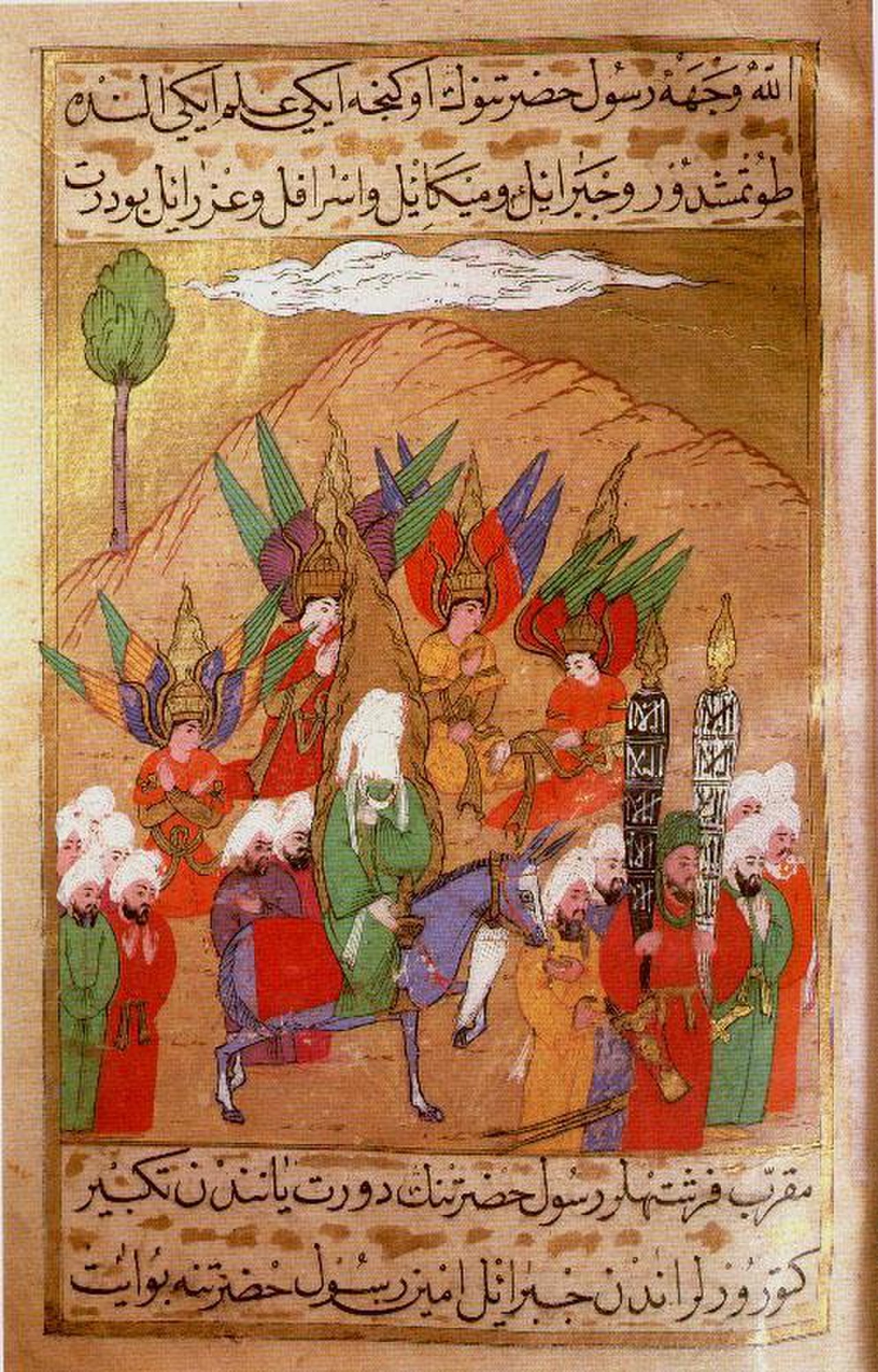
Islamic mythology encompasses a vast array of beings, narratives, and cosmological understandings that extend beyond the direct textual pronouncements of the Quran. It includes detailed accounts of angels (Mala'ikah) like Jibril (Gabriel) and Mika'il (Michael), the complex nature of jinn – beings of smokeless fire with free will – and the lives and miracles of prophets, most notably Muhammad, but also including figures like Adam, Noah, Abraham, Moses, and Jesus. This lore also delves into eschatological visions of the Day of Judgment (Yawm al-Qiyamah), Paradise (Jannah), and Hellfire (Jahannam), often drawing from Hadith literature and later theological and mystical traditions. Understanding these elements is crucial for grasping the full spectrum of Islamic cultural expression and theological depth.
📜 What is Islamic Mythology?
Islamic mythology, often overshadowed by the Quran's emphasis on law and practice, is a rich tapestry of narratives that illuminate the faith's worldview. While Islam prioritizes rational application of Islamic law, these stories provide a crucial mythological framework, offering insights into creation, the afterlife, and the divine. They are not mere fairy tales but integral to understanding the cultural and spiritual underpinnings of Muslim societies across centuries. This exploration goes beyond the strictly scriptural to uncover the vibrant lore that has shaped imaginations and traditions, often drawing from pre-Islamic Arabian beliefs and later scholarly interpretations.
🕌 Beyond the Quran: Key Narratives
While the Quran itself is the foundational text, a wealth of narratives exist in collections of sayings and actions of Prophet Muhammad and subsequent Islamic scholarship. These include detailed accounts of prophetic lives, the night journey of Muhammad, and the cosmic battles between good and evil. These stories, though not always considered canonical in the same way as the Quran, are deeply embedded in popular piety and artistic expression, offering a more vivid, often anthropomorphic, portrayal of divine will and human destiny.
🌟 The Kaaba: A Mythic Centerpiece
The Kaaba in Mecca stands as a potent symbol and narrative nexus within Islamic mythology. Its origins are steeped in legend, with traditions tracing its construction back to Adam and later to Abraham and his son Ishmael. The black stone embedded within its walls is believed to be a relic from paradise, further imbuing the structure with cosmic significance. The annual Hajj to the Kaaba is not just a ritual but a reenactment of these foundational myths, connecting millions of believers to a shared, ancient narrative.
✨ Angels, Jinn, and the Unseen
Beyond human figures and divine pronouncements, Islamic mythology is populated by a vibrant cast of supernatural beings. Angels (mala'ikah) serve as divine messengers and recorders, while Jinn (or genies) inhabit a parallel realm, capable of both good and evil, and often interacting with humans in folklore. The figure of Satan (Shaytan), the fallen angel or jinn who refused to bow to Adam, plays a crucial role as the ultimate tempter, a narrative element common across many mythologies.
📚 Sources and Interpretations: A Contested Field
The study of Islamic mythology is complicated by its relationship with theology and the diversity of interpretations. While some scholars, like those at The Oxford Companion to World Mythology, identify specific narratives as 'myths,' others within Islamic tradition might view them as historical or divinely revealed truths. This creates a controversy spectrum where the very definition and acceptance of 'myth' within an Islamic context are debated, often depending on the theological school and cultural background of the interpreter.
🌐 Vibe Score & Controversy Spectrum
Islamic mythology, when viewed through the lens of Vibe Scores, registers a moderate to high cultural energy (Vibe Score: 70/100), particularly in regions with strong oral traditions and artistic expressions. Its controversy spectrum is moderate (35/100), primarily stemming from debates over the authenticity and theological status of non-Quranic narratives. While not as widely debated as core theological tenets, the interpretation of these stories remains a point of discussion among scholars and practitioners, influencing how the faith is understood and practiced globally.
Key Facts
- Year
- 7th Century CE (earliest codified narratives)
- Origin
- Arabian Peninsula
- Category
- Mythology & Folklore
- Type
- Topic
Frequently Asked Questions
Are Islamic myths considered part of the Quran?
No, Islamic myths are generally considered narratives that exist alongside or are elaborated upon from the Quran. While the Quran is the ultimate authority, many myths are found in Hadith literature, historical accounts, and scholarly interpretations. These stories often provide context or further detail to Quranic themes but are distinct from the Quranic text itself.
Who are the main supernatural beings in Islamic mythology?
Key supernatural beings include angels (mala'ikah), who serve God; Jinn, a class of beings that inhabit a parallel world and can be good or evil; and Iblis (Satan), the primary antagonist who rebelled against God. These figures play significant roles in narratives of creation, temptation, and divine judgment.
What is the significance of the Kaaba in Islamic mythology?
The Kaaba is a central mythological element, believed to have been built by Adam and later rebuilt by Abraham and Ishmael. It's considered a house of God and a focal point of divine connection. The black stone within it is often described as a relic from paradise, adding to its sacred and mythic status.
How do Islamic creation myths compare to other religions?
Islamic creation myths share similarities with other Abrahamic religions, particularly Judaism and Christianity, in their depiction of a singular God creating the universe. However, specific details regarding the order of creation, the nature of the celestial bodies, and the role of angels and Jinn can vary, reflecting unique Islamic theological perspectives.
Are all Muslims interested in Islamic mythology?
Interest in Islamic mythology varies greatly among Muslims. While some are deeply engaged with these narratives through storytelling, art, and spiritual practice, others may focus more exclusively on the legal and theological aspects of Islam. The emphasis often depends on cultural background, education, and personal spiritual inclination.
Where can I find reliable sources for Islamic mythology?
Reliable sources include academic works on Islamic folklore and mythology, scholarly editions of Hadith literature with extensive commentary, and reputable encyclopedias of world mythology. Be cautious of popular retellings that may lack historical or theological accuracy. Consulting works by scholars like Brannon M. Wheeler or Toufic Fahd can be beneficial.