
Contents
Overview
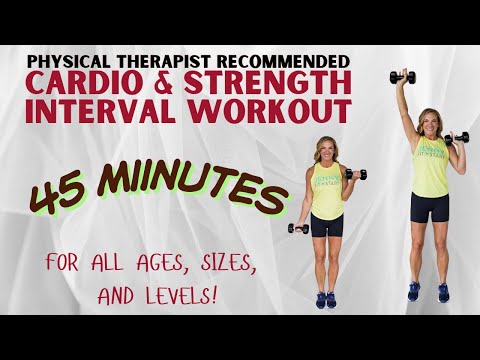
Interval training, often abbreviated as HIIT (High-Intensity Interval Training), is a potent training methodology that alternates short bursts of near-maximal effort with brief recovery periods. This isn't your grandpa's steady-state cardio; it's about pushing your physiological limits in short, sharp shocks. The intensity during work intervals typically pushes you into an anaerobic state, where your body demands more oxygen than it can immediately supply, leading to significant metabolic and cardiovascular adaptations. The subsequent recovery, which can be active (low-intensity movement) or passive (complete rest), allows for partial recovery before the next high-intensity bout. This cycle is designed to maximize calorie burn, improve both Aerobic Fitness and Anaerobic Threshold, and enhance overall athletic performance in a time-efficient manner.
📈 Who Benefits Most?
While interval training can benefit almost anyone looking to improve their fitness, it's particularly advantageous for Endurance Sports like runners, cyclists, and swimmers seeking to boost their VO2 max and race pace. It's also a favorite among Strength and Conditioning for athletes in power sports, as it can improve work capacity and recovery between intense efforts. For general fitness enthusiasts, HIIT offers a time-efficient way to burn calories, improve cardiovascular health, and increase metabolic rate, even post-workout (the 'afterburn effect'). However, individuals with pre-existing cardiovascular conditions or those new to exercise should approach with caution and consult a Medical Advice.
⏱️ Key Components of an Interval Session
A typical interval training session is characterized by three core elements: the work interval, the rest interval, and the number of repetitions. The work interval is the period of high-intensity effort, often lasting from 20 seconds to 2 minutes, performed at 85-95% of your maximum heart rate. The rest interval, crucial for recovery, can range from equal to the work interval (1:1 ratio) to half the work interval (2:1 ratio), and may involve complete rest or low-intensity active recovery. The number of repetitions, or rounds, dictates the total duration and overall intensity of the session, with more advanced protocols involving 8-15 repetitions. The specific structuring of these elements is what defines the unique physiological demands of each HIIT Protocols.
💪 Types of Interval Training
The versatility of interval training is immense, leading to various popular protocols. The Tabata method, a highly intense form, involves 20 seconds of all-out effort followed by 10 seconds of rest, repeated for 8 rounds (4 minutes total). Fartlek Training, a more unstructured approach, involves varying intensity based on feel and terrain during a continuous run or cycle. Pyramid Training involves gradually increasing and then decreasing the duration or intensity of work intervals. Other variations include EMOM Training and AMRAP Training, each offering distinct physiological stimuli and training benefits.
📊 Performance Metrics & Tracking
Accurate tracking is paramount for effective interval training. Heart Rate Monitoring are essential for ensuring you're hitting the target intensity zones during work intervals and recovering adequately during rest. Wearable Fitness Trackers can provide real-time data on heart rate, pace, and power output, allowing for immediate adjustments. For runners, GPS Running Watches are indispensable for monitoring pace and distance during work and rest intervals. Beyond real-time metrics, tracking progress over time through Performance Testing like VO2 max assessments or timed runs can reveal improvements and inform future training adjustments.
⚠️ Risks and Considerations
While highly effective, interval training is not without risks. The extreme intensity can place significant stress on the cardiovascular system, making it unsuitable for individuals with certain heart conditions. Improper Warm-up and Cool-down protocols can increase the risk of muscle strains, tears, and other injuries. Overtraining is also a concern; insufficient recovery between sessions can lead to fatigue, decreased performance, and increased susceptibility to illness. It's crucial to listen to your body and gradually increase the intensity and volume of your interval training to avoid burnout and injury. Consulting with a Certified Personal Trainer can help mitigate these risks.
🚀 Advanced Applications
Beyond general fitness and athletic performance, interval training finds application in specialized fields. Physical Therapy often incorporate carefully controlled intervals to help patients regain strength and cardiovascular function post-injury. In Sports Science Research, HIIT protocols are used to study physiological responses to extreme exertion and to optimize training strategies for elite athletes. Furthermore, the principles of interval training are being explored in Neurological Rehabilitation to improve cognitive function and motor control through intense, focused bursts of activity.
💡 Expert Tips for Maximizing Gains
To truly harness the power of interval training, focus on precise execution. Always prioritize a thorough Dynamic Warm-up to prepare your muscles and cardiovascular system for the intense demands ahead. During work intervals, aim for true maximal effort; holding back defeats the purpose. For rest intervals, ensure you're recovering enough to perform the next work interval effectively, but not so much that you lose the metabolic stimulus. Gradually increase the duration of work intervals, decrease rest periods, or add more repetitions as your fitness improves, rather than jumping into overly demanding sessions. Finally, ensure adequate Nutrition and Hydration to support recovery and performance.
Key Facts
- Year
- 1912
- Origin
- Finland
- Category
- Fitness & Sports Science
- Type
- Methodology
Frequently Asked Questions
How often should I do interval training?
For most individuals, 2-3 interval training sessions per week are sufficient, allowing for adequate recovery between sessions. Beginners should start with 1-2 sessions and gradually increase frequency as their body adapts. It's crucial to balance HIIT with other forms of training, such as steady-state cardio and strength work, to ensure comprehensive fitness development and prevent overtraining. Always listen to your body and schedule rest days.
What's the difference between HIIT and interval training?
While often used interchangeably, HIIT specifically refers to interval training protocols that use very high intensity (80-95% of max heart rate) for short work intervals (typically 20-60 seconds) followed by short rest periods. General interval training can encompass a broader range of intensities and work-to-rest ratios, including longer intervals or lower intensities. Essentially, HIIT is a specific, more intense subset of interval training.
Can interval training help with weight loss?
Yes, interval training is highly effective for weight loss due to its ability to burn a significant number of calories in a short period and elevate the metabolic rate for hours post-exercise (EPOC, or the 'afterburn effect'). The intense nature of the workouts also helps preserve muscle mass, which is crucial for long-term metabolism, unlike some prolonged, low-intensity cardio that can lead to muscle loss if not properly managed.
What are some common mistakes to avoid?
Common mistakes include insufficient warm-up, pushing too hard too soon, inadequate rest between intervals, neglecting proper form, and not allowing enough recovery days between sessions. Another pitfall is performing interval training too frequently, leading to burnout or injury. Always prioritize listening to your body and progressively overloading.
Is interval training suitable for beginners?
Interval training can be adapted for beginners, but it's crucial to start slowly. Begin with shorter work intervals, longer rest periods, and fewer repetitions. Focus on mastering proper form before increasing intensity. It's highly recommended for beginners to consult with a fitness professional to design a safe and effective program. Alternatively, starting with less intense forms of interval training, like fartlek, can be a good entry point.
What kind of exercises can be used in interval training?
Almost any exercise can be adapted for interval training. Popular choices include running sprints, cycling intervals, burpees, jump squats, mountain climbers, kettlebell swings, and rowing. The key is to select exercises that allow for a high level of intensity during the work phase and can be performed safely and effectively within the prescribed timeframes.