
Contents
Overview
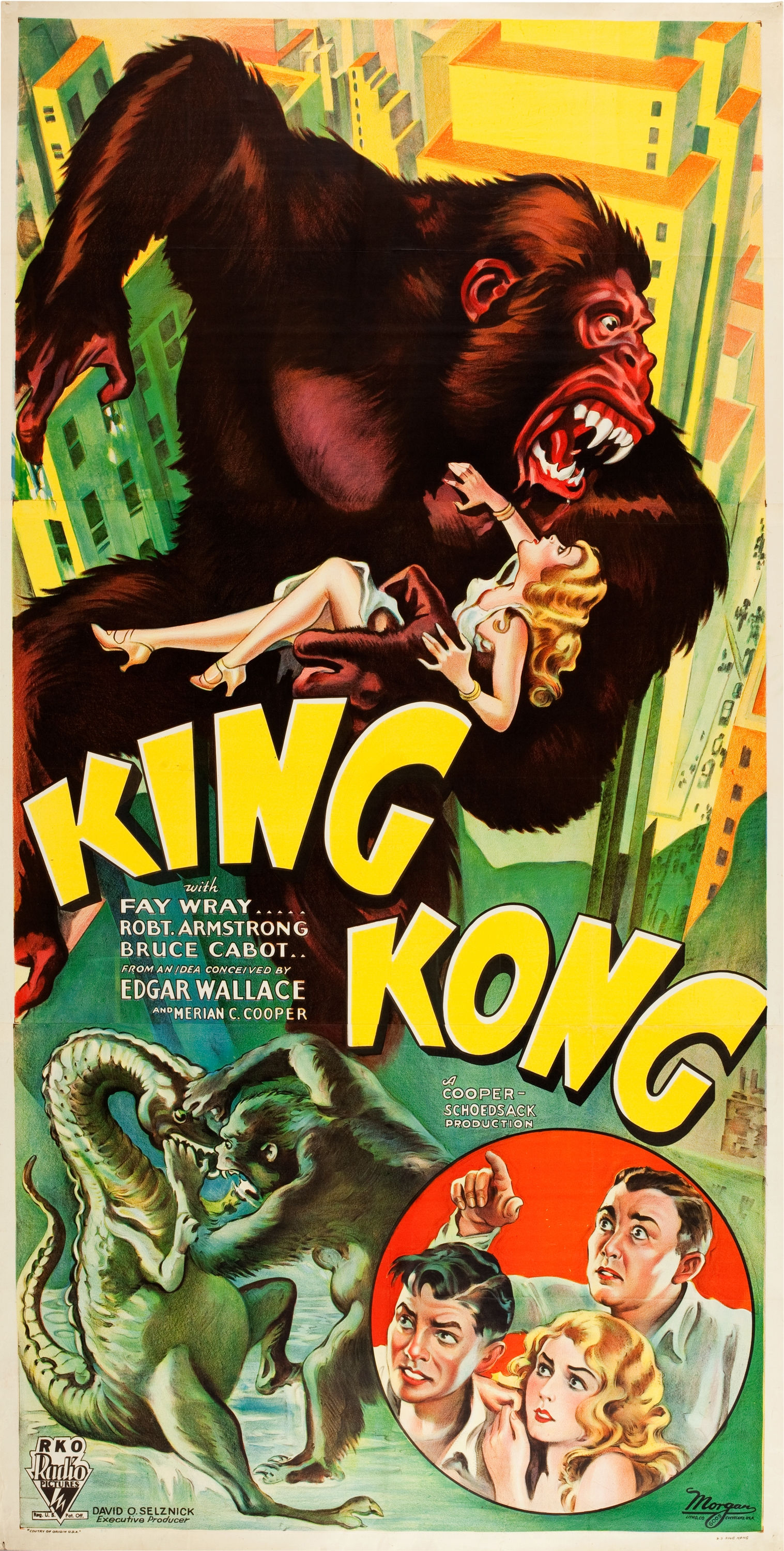
The cinematic monster's lineage traces back to the earliest days of filmmaking, with silent era pioneers like Nosferatu and Dracula establishing archetypes that still resonate. These early creatures often drew from gothic literature and folklore, tapping into pre-existing societal fears of the undead, the foreign, and the predatory. The Universal Monsters era, spearheaded by films like Frankenstein and The Wolf Man, solidified these figures in the public consciousness, creating a shared visual language for terror. The post-war era saw the rise of giant monster spectacles, with Godzilla emerging as a potent symbol of nuclear anxiety, and King Kong demonstrating the tragic potential of the monstrous. These foundational films didn't just introduce characters; they established narrative frameworks and visual styles that would be iterated upon for decades by filmmakers like James Whale and Toshirō Mifune.
⚙️ Anatomy of a Monster
What makes a movie monster truly iconic isn't just their appearance, but their underlying conceptual power. Is it the existential dread of a creature that defies biological understanding, like The Thing? Or the primal, unstoppable force of nature embodied by Jaws's titular shark? The effectiveness often lies in what remains unseen, as famously employed by H.R. Giger's Xenomorph design, where suggestion breeds greater terror than explicit depiction. The 'how' of their existence—whether through scientific hubris (Frankenstein), cosmic indifference (The Thing), or ancient evil (The Exorcist's Pazuzu)—provides a narrative anchor. The best monsters are not merely antagonists; they are potent symbols, reflecting anxieties about technology, nature, the body, and the very definition of humanity, as explored by directors like Ridley Scott and John Carpenter.
📊 The Box Office Bite
The economic impact of iconic movie monsters is staggering, with many franchises generating billions of dollars globally. The Godzilla franchise alone has seen numerous films released since its inception, demonstrating enduring market appeal. The Universal Monsters brand, despite its films being decades old, continues to be a lucrative source of merchandise and reboots. The Jaws phenomenon, released in 1975, is widely credited with inventing the summer blockbuster, earning significant revenue on a modest budget. More recently, the Conjuring Universe has become one of the highest-grossing horror franchises, proving that audiences remain hungry for well-crafted monstrous threats, even in the age of digital effects.
👥 The Architects of Fear
Behind every terrifying visage is a creative mind. Karl Freund's cinematography brought Dracula to life with atmospheric dread, while Jack Pierce's makeup for Frankenstein became instantly recognizable. Ray Harryhausen revolutionized stop-motion animation, breathing life into creatures for films like The 7th Voyage of Sinbad. The unsettling biomechanical designs of H.R. Giger for Alien redefined sci-fi horror. Directors like Steven Spielberg (Jaws), John Carpenter (Halloween), and Ridley Scott (Alien) masterfully wielded these creatures to evoke visceral reactions. More recently, filmmakers like Guillermo del Toro have used monsters to explore themes of empathy and otherness in films like Pan's Labyrinth.
🌍 Cultural Resonance
Iconic movie monsters have permeated global culture far beyond the silver screen. Their likenesses adorn everything from toys and video games to theme park attractions and fashion lines, generating billions in ancillary revenue. The image of Dracula or Frankenstein's monster is universally understood, transcending language barriers. These creatures have become shorthand for terror, the uncanny, or even misunderstood outsiders, influencing literature, music, and art. Their archetypal power allows them to be reinterpreted endlessly, from the campy charm of The Addams Family to the existential dread of Stephen King's Pennywise. The very concept of a 'monster movie' is inextricably linked to these enduring figures, shaping audience expectations and critical discourse.
⚡ The Modern Menagerie
The 21st century has seen a resurgence and evolution of iconic movie monsters, driven by advancements in CGI and a renewed interest in practical effects. Legendary's Godzilla and its subsequent MonsterVerse entries have brought kaiju back to global prominence, grossing significant revenue worldwide. The success of It, demonstrated the continued power of classic literary monsters. Filmmakers are also experimenting with new forms of terror, from the found-footage scares of Paranormal Activity to the folk horror revival seen in films like Midsommar. The blend of digital and practical effects, as seen in The Shape of Water's Oscar-winning creature design, showcases a sophisticated approach to monster creation, proving that innovation continues to drive the genre.
🤔 The Monster Debate
The debate surrounding movie monsters often centers on their purpose and portrayal. Are they merely tools for cheap scares, or do they serve a deeper thematic function? Critics sometimes argue that excessive CGI can dilute the visceral impact, a sentiment echoed by fans who champion the tactile terror of practical effects championed by artists like Rick Baker. There's also ongoing discussion about representation: do monsters perpetuate harmful stereotypes of the 'other,' or can they be used to explore complex social issues, as Guillermo del Toro often attempts? The line between 'monster' and 'anti-hero' has blurred, with figures like Venom challenging traditional notions of monstrousness. This ongoing dialogue highlights the evolving relationship between audiences and the creatures that inhabit their screens.
🔮 The Future of Fright
The future of iconic movie monsters appears robust, with a continued demand for both familiar faces and novel terrors. The success of franchises like the Conjuring Universe and the MonsterVerse suggests a strong appetite for shared cinematic universes populated by monstrous entities. We can anticipate further exploration of psychological horror, where the monster is as much a product of the mind as an external threat, potentially drawing from psychological theories and modern anxieties. Advances in AI and deepfake technology might also introduce new, unsettling possibilities for creature creation and manipulation. The challenge for filmmakers will be to innovate beyond established tropes, finding fresh ways to tap into primal fears and societal concerns, ensuring monsters remain relevant in an ever-changing world.
💡 Practical Applications
Iconic movie monsters, while primarily figures of entertainment, have had tangible impacts on various fields. Their designs have inspired industrial and product design, with sleek, aerodynamic forms or menacing, utilitarian aesthetics influencing everything from automobiles to consumer electronics. The narrative structures of monster movies, particularly the 'man vs. nature' or 'science gone wrong' tropes, have informed disaster films and cautionary tales in documentaries and educational media. Furthermore, the psychological impact of these creatures has been studied in fields like psychology and sociology, offering insights into human fear responses, societal anxieties, and the cultural construction of 'otherness.' Even the technical innovations in special effects, pioneered for creatures like King Kong and Jurassic Park's dinosaurs, have had ripple effects across industries requiring advanced visual
Key Facts
- Category
- culture
- Type
- topic