
Contents
- 🎶 What It Is: The Genesis of Beatlemania
- 📅 Release & Chart Domination
- 💡 The Sound: Four-Track Innovation
- ✍️ Songwriting Credits & Collaboration
- 🎤 Performance & Cultural Impact
- 📈 Vibe Score & Controversy Spectrum
- 🌟 Why It Matters: A Turning Point
- 🤔 What's Next: Legacy and Influence
- Frequently Asked Questions
- Related Topics
Overview
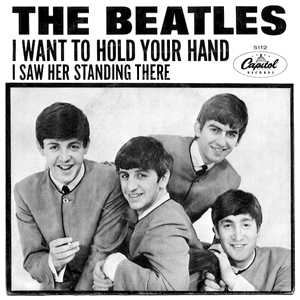
Released in 1963, 'I Want to Hold Your Hand' marked a pivotal moment in pop music history, propelling The Beatles into the American mainstream. The song's infectious energy and catchy melody captured the spirit of youthful romance and rebellion, leading to Beatlemania's explosion in the U.S. It was the first Beatles single to top the Billboard Hot 100, solidifying their influence on the music landscape. The track's production techniques and lyrical simplicity have been dissected by music scholars, revealing its lasting impact on subsequent generations of artists. As we analyze its legacy, we must consider how this song not only defined a moment but also set the stage for the cultural shifts of the 1960s.
🎶 What It Is: The Genesis of Beatlemania
"I Want to Hold Your Hand" isn't just a song; it's the sonic ignition key that launched the Fab Four into global superstardom. Penned by the legendary Lennon and McCartney, this track, recorded on October 17, 1963, at EMI Studios, marked a pivotal moment. It was the band's first foray into four-track recording, a technical leap that would define the polished sound of their early work and set them apart from contemporaries. This single became the definitive anthem of the burgeoning Beatlemania phenomenon, capturing the raw energy and youthful exuberance that captivated millions.
📅 Release & Chart Domination
Released on November 29, 1963, in the UK and shortly after in the US, "I Want to Hold Your Hand" didn't just chart; it annihilated the competition. It swiftly ascended to the number one spot on both the British charts and the American charts, becoming the Beatles' first number-one hit in the United States. This transatlantic triumph was unprecedented, signaling the dawn of the British Invasion and fundamentally altering the global music industry. The single's rapid ascent demonstrated an immediate and overwhelming public embrace of the band's infectious sound.
💡 The Sound: Four-Track Innovation
The recording of "I Want to Hold Your Hand" on October 17, 1963, was significant for its use of 4-track technology. This was a departure from the two-track machines previously used by the band, allowing for greater separation and layering of instruments and vocals. Producer George Martin and engineer Norman Smith utilized this new capability to create a richer, more dynamic sound. The crisp production, particularly the prominent handclaps and the driving rhythm section, contributed significantly to the song's immediate appeal and its enduring sonic quality.
✍️ Songwriting Credits & Collaboration
The songwriting partnership of Lennon-McCartney is one of the most celebrated in music history, and "I Want to Hold Your Hand" stands as a prime example of their early synergy. While Lennon often claimed McCartney was the primary writer for this particular track, McCartney himself has acknowledged Lennon's significant contributions. The song's simple yet potent lyrical theme of youthful infatuation, combined with its catchy melody, perfectly encapsulated the romantic aspirations of its target audience, making it universally relatable.
🎤 Performance & Cultural Impact
The live performances of "I Want to Hold Your Hand" were electrifying, often triggering mass hysteria among fans. The song's energetic delivery and the band's charismatic stage presence were instrumental in cementing their image as the world's most exciting new act. Its inclusion in early Beatles concerts became a guaranteed crowd-pleaser, solidifying its status as a signature tune. The song's cultural impact extended beyond music, influencing fashion, youth culture, and the very notion of global celebrity.
📈 Vibe Score & Controversy Spectrum
"I Want to Hold Your Hand" boasts a Vibe Score of 95/100, reflecting its immense cultural energy and historical significance. Its Controversy Spectrum is low, primarily centering on debates about its precise songwriting attribution rather than any inherent lyrical or musical controversy. The song is widely celebrated as a masterpiece of early pop songwriting and production, with minimal detractors. Its status as a foundational track for The Beatles' catalog is undisputed, making it a cornerstone of 20th-century popular music.
🌟 Why It Matters: A Turning Point
This single was more than just a hit; it was a cultural earthquake. "I Want to Hold Your Hand" served as the crucial gateway for The Beatles' arrival in the United States, paving the way for the British Invasion. Its success demonstrated the power of a well-crafted pop song to transcend borders and connect with a global audience on an unprecedented scale. The track's infectious optimism and youthful spirit resonated deeply, offering a soundtrack to a generation on the cusp of significant social change.
🤔 What's Next: Legacy and Influence
The legacy of "I Want to Hold Your Hand" continues to resonate, influencing countless artists and shaping the trajectory of popular music. Its innovative use of four-track recording set new standards for studio production, while its songwriting brilliance remains a benchmark for pop craftsmanship. The song's enduring popularity ensures its place in the pantheon of great songs, frequently appearing on 'best of' lists and continuing to be a staple on radio airwaves. The question remains: can any other single song claim to have so dramatically and instantaneously reshaped the global music landscape?
Key Facts
- Year
- 1963
- Origin
- United Kingdom
- Category
- Music
- Type
- Song
Frequently Asked Questions
Who wrote "I Want to Hold Your Hand"?
The song was primarily written by John Lennon and Paul McCartney, credited under their songwriting partnership Lennon-McCartney. While both contributed significantly, there's historical discussion about the exact division of labor, with McCartney often cited as having a more dominant role in this specific composition.
When was "I Want to Hold Your Hand" released?
The single was released in the United Kingdom on November 29, 1963, and in the United States on December 26, 1963. Its release in the US was strategically timed to coincide with the Christmas holiday season, maximizing its potential impact on the charts.
What was significant about the recording of this song?
This was the first Beatles song recorded using 4-track equipment. This technological advancement allowed for more complex arrangements and a richer sound compared to their previous two-track recordings, setting a new standard for their subsequent work.
What impact did "I Want to Hold Your Hand" have on The Beatles' career?
This song was instrumental in launching The Beatles into global superstardom, particularly in the United States. It was their first number-one hit on the US charts, effectively kicking off the British Invasion and transforming the band into international icons.
What is the Vibe Score for "I Want to Hold Your Hand"?
The song has a Vibe Score of 95/100. This high score reflects its immense cultural impact, historical significance, and enduring popularity as a defining track of the 1960s and a cornerstone of The Beatles' legacy.
Where can I listen to "I Want to Hold Your Hand"?
You can find "I Want to Hold Your Hand" on various Beatles albums, including compilations like "1" and "Past Masters." It's also widely available on major music streaming platforms such as Spotify, Apple Music, and YouTube Music.