
Contents
Overview
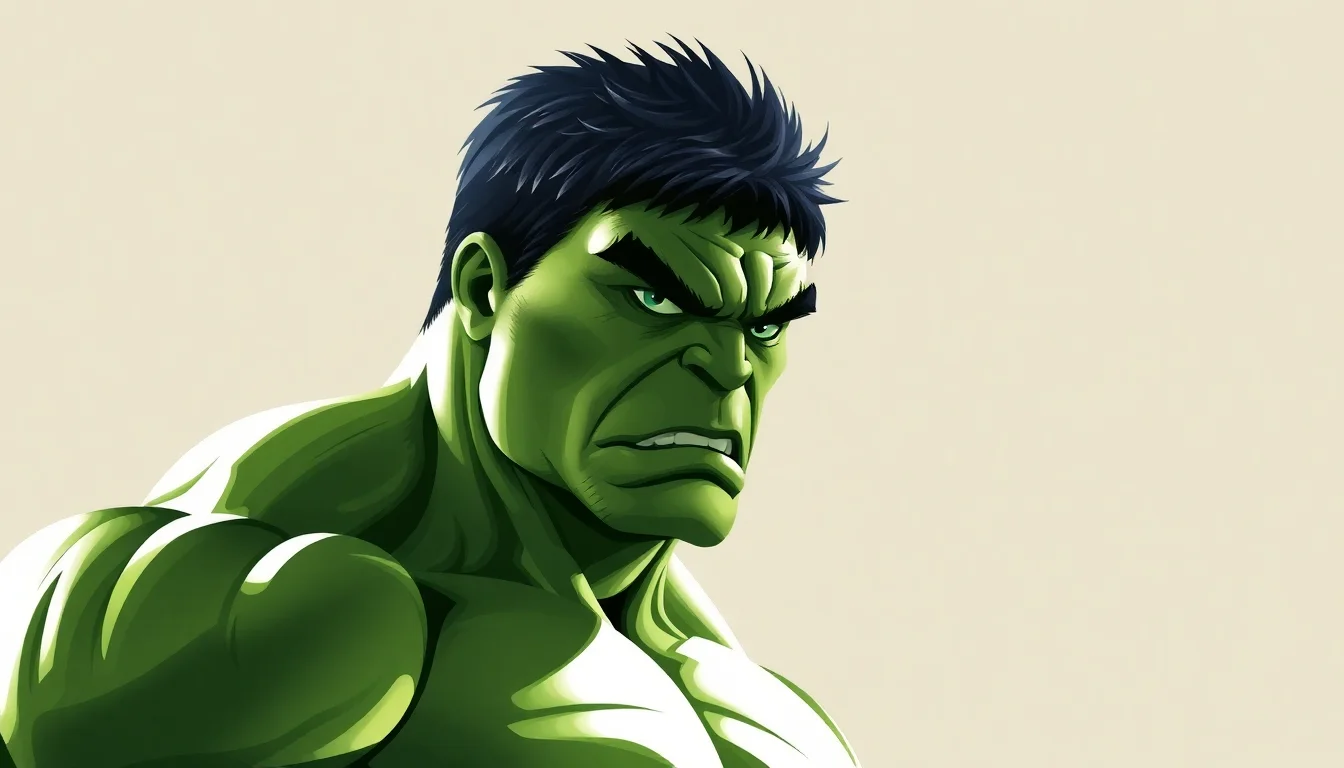
The genesis of the Hulk can be traced back to the early 1960s, a period of intense Cold War anxiety and burgeoning scientific discovery. Writer Stan Lee and artist Jack Kirby conceived the character for Marvel Comics, first introducing him in The Incredible Hulk #1 in May 1962. Lee famously cited influences from Robert Louis Stevenson's Strange Case of Dr. Jekyll and Mr. Hyde and Mary Shelley's Frankenstein, aiming to create a character that was both monstrous and sympathetic. The initial concept saw Bruce Banner transform into a grey-skinned Hulk, a reflection of the era's anxieties about nuclear power and the unknown. However, due to printing limitations, the Hulk's skin was rendered green, a color that would become his indelible trademark. This foundational issue established the core conflict: Banner's struggle to control the uncontrollable rage of his alter ego, a struggle that would define the character for generations.
⚙️ How It Works
The Hulk's existence is predicated on a catastrophic scientific accident. Dr. Bruce Banner, a brilliant but socially awkward physicist, was exposed to a massive dose of gamma radiation while attempting to save a teenager, Rick Jones, from a gamma bomb test detonation at the Nevada Test Site. This exposure fundamentally altered his physiology, imbuing him with the potential to transform into the Hulk. The transformation is typically triggered by extreme emotional states, most notably anger, though the specifics have varied across different eras and interpretations. The Hulk possesses incredible durability and regenerative capabilities. His biology is a constant source of scientific fascination and narrative tension, as Banner grapples with the destructive potential of his own body.
📊 Key Facts & Numbers
The Hulk's cultural footprint is immense, with his image appearing on an estimated 150 million pieces of merchandise globally since his debut. His comic book sales have consistently placed him among Marvel's top-tier characters, with over 100 million issues sold worldwide. The character has starred in more than 20 different comic book series, with The Incredible Hulk alone running for over 600 issues. His cinematic appearances have grossed over $3 billion worldwide, with the character featuring prominently in films like The Avengers (2012), which earned $1.5 billion, and Avengers: Endgame (2019), which grossed over $2.7 billion. The Hulk's iconic green skin and immense physique are instantly recognizable, making him a global brand worth an estimated $5 billion in licensing revenue.
👥 Key People & Organizations
Beyond his creators Stan Lee and Jack Kirby, numerous individuals and entities have shaped the Hulk's narrative and legacy. Writers like Peter David, whose decades-long run on The Incredible Hulk is highly acclaimed, have profoundly influenced the character's psychological depth. Artists such as Herb Trimpe and John Romita Jr. have defined his visual appearance for generations. Marvel Comics remains the primary publisher and steward of the character, consistently reinterpreting his stories. The Marvel Cinematic Universe, particularly through actors like Mark Ruffalo and Edward Norton, has introduced the Hulk to a massive new global audience, further cementing his status as a pop culture titan.
🌍 Cultural Impact & Influence
The Hulk's influence extends far beyond the pages of comic books. He has become a cultural shorthand for immense power, uncontrollable rage, and the duality of human nature. His image has been adopted in political cartoons, protest movements, and everyday slang, often used to describe overwhelming force or a sudden outburst of anger. The phrase "Hulk Smash!" has become a widely recognized meme. His presence in the Marvel Cinematic Universe has significantly boosted his global recognition, making him a household name even for those unfamiliar with his comic book origins. The character's enduring appeal lies in his relatable struggle with inner demons, a theme that resonates across diverse cultures and demographics, impacting everything from children's toys to adult-oriented psychological dramas.
⚡ Current State & Latest Developments
As of 2024, the Hulk remains a central figure in the Marvel Comics universe, with ongoing series like Immortal Hulk and Maestro exploring new facets of his character. The success of the Marvel Cinematic Universe continues to drive interest, with speculation rife about future solo projects or significant roles in ensemble films. Recent comic storylines have delved deeper into the philosophical implications of Banner's gamma-infused existence, exploring themes of immortality and the nature of consciousness. The character's adaptability ensures his continued relevance, with creators constantly finding new ways to explore his iconic rage and the man trapped within.
🤔 Controversies & Debates
The Hulk's very nature invites controversy. The Hulk's immense destructive power raises ethical questions about accountability and the collateral damage caused by superhero battles, a recurring theme in fan discussions and critical analyses of his comic book and film appearances. The Hulk's portrayal of dissociative identity disorder has also been a subject of debate, with some critics arguing for more nuanced and sensitive depictions of mental health conditions. Furthermore, the ongoing tension between Banner's intellect and the Hulk's brute force has led to varied interpretations of his moral compass, sparking debates about whether he is a hero, a monster, or something in between. The character's capacity for violence, even when justified, often places him at odds with societal norms and other heroes.
🔮 Future Outlook & Predictions
The future of the Hulk appears to be one of continued evolution and exploration. With the character's comic book tenure marked by constant reinvention, it's likely that future storylines will push the boundaries of his powers and psychological complexity. The Marvel Cinematic Universe's trajectory suggests a potential for a more integrated Hulk, perhaps one who has achieved a greater balance between Banner and his alter ego, or conversely, one who succumbs entirely to his primal rage. The ongoing interest in gamma-powered characters and the broader themes of scientific hubris and unchecked power indicate that the Hulk will remain a relevant figure in popular culture for the foreseeable future, potentially influencing new narratives about heroism and monstrosity.
💡 Practical Applications
The Hulk's primary practical application is as a symbol of raw, untamed power and the consequences of unchecked scientific ambition. In the realm of fiction, he serves as a powerful narrative device for exploring themes of anger management, trauma, and the duality of human nature. His immense strength has been metaphorically applied in discussions about overcoming overwhelming obstacles or unleashing hidden potential. While not a direct tool, the Hulk's existence as a character has inspired countless works of art, literature, and film, demonstrating the practical application of imagination in shaping cultural discourse. His iconic status also translates into significant economic applications through merchandising and media franchises, generating billions in revenue for Marvel Entertainment.
Key Facts
- Category
- culture
- Type
- person