
Contents
- 🌟 Introduction to Hugh Trenchard
- 📚 Early Life and Education
- 🎯 Military Career and World War I
- 🛫️ The Birth of the Royal Air Force
- 📈 Trenchard's Reforms and Innovations
- 💼 Command and Leadership Style
- 🌍 International Influence and Legacy
- 🏛️ Later Life and Honors
- 📊 Controversies and Criticisms
- 🔍 Impact on Modern Air Power
- 👥 Relationships and Mentors
- Frequently Asked Questions
- Related Topics
Overview
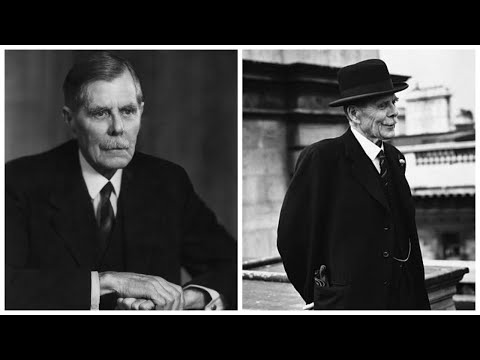
Hugh Montague Trenchard, 1st Viscount Trenchard, was a British officer who played a crucial role in establishing the Royal Air Force (RAF) as a separate branch of the British military. Born on February 3, 1873, Trenchard served in the Boer War and World War I, where he commanded the Royal Flying Corps (RFC) and later the RAF. He is widely regarded as the 'Father of the Royal Air Force' due to his tireless efforts to promote the importance of air power and his instrumental role in shaping the RAF's doctrine and strategy. Trenchard's vision for air power was not limited to military applications; he also recognized the potential for aviation to transform civilian life. With a Vibe score of 8, Trenchard's legacy continues to influence military aviation and beyond. As the RAF continues to evolve, Trenchard's contributions remain a topic of interest and debate among historians and military strategists, with some arguing that his emphasis on air power paved the way for modern military doctrine, while others contend that his approach was too focused on bombing campaigns. The controversy surrounding Trenchard's legacy serves as a reminder of the complex and multifaceted nature of military history.
🌟 Introduction to Hugh Trenchard
Hugh Trenchard, also known as the 'Father of the Royal Air Force', was a British officer who played a crucial role in the development of the Royal Air Force (RAF). Born on February 3, 1873, in Taunton, Somerset, England, Trenchard was educated at Wellington College and later attended the Royal Military College at Sandhurst. He was commissioned into the British Army in 1893 and served in various roles, including as a lieutenant in the Royal Scots Fusiliers. Trenchard's early life and education laid the foundation for his future career in the military, particularly in the field of aviation. He was also influenced by his time at Oxford University, where he developed a strong interest in aeronautics.
📚 Early Life and Education
Trenchard's military career spanned over four decades, during which he served in various conflicts, including the Boer War and World War I. In 1912, he learned to fly and was appointed as the Assistant Commandant of the Central Flying School. Trenchard's experience in aviation led to his appointment as the Commanding Officer of the Royal Flying Corps (RFC) in 1915. He played a key role in the development of the RFC, which later merged with the Royal Naval Air Service to form the Royal Air Force. Trenchard's leadership and vision were instrumental in shaping the RAF into a formidable air force. He worked closely with other notable figures, including Sir Douglas Haig and Sir Winston Churchill.
🎯 Military Career and World War I
The birth of the Royal Air Force in 1918 marked a significant milestone in Trenchard's career. As the Chief of the Air Staff, he was responsible for shaping the RAF's doctrine, organization, and training. Trenchard's reforms and innovations had a lasting impact on the RAF, including the establishment of the RAF College at Cranwell and the development of the RAF Staff College at Andover. He also played a key role in the development of the RAF Regiment, which was formed in 1942. Trenchard's vision for the RAF was influenced by his experiences during World War I and his understanding of the importance of air power in modern warfare. He worked closely with other military leaders, including Sir Arthur Harris and Sir Archibald Sinclair.
🛫️ The Birth of the Royal Air Force
Trenchard's command and leadership style were characterized by his emphasis on discipline, training, and innovation. He was known for his ability to inspire loyalty and devotion in his subordinates, and his leadership played a significant role in shaping the RAF's culture and ethos. Trenchard's approach to command was influenced by his experiences as a Squadron Leader in the Royal Flying Corps and his time as the Commanding Officer of the Royal Air Force. He was also influenced by his relationships with other notable military leaders, including Sir Henry Wilson and Sir Ian Hamilton.
📈 Trenchard's Reforms and Innovations
Trenchard's international influence and legacy extend beyond the United Kingdom. He played a key role in the development of air forces in other countries, including the United States Air Force and the Royal Canadian Air Force. Trenchard's ideas on air power and his vision for the RAF have had a lasting impact on the development of air forces around the world. He was also a strong advocate for international cooperation and collaboration in the field of aviation, and he worked closely with other countries to establish common standards and practices. Trenchard's legacy can be seen in the many air forces that have been established around the world, including the Australian Royal Air Force and the Royal New Zealand Air Force.
💼 Command and Leadership Style
In later life, Trenchard was honored for his services to the RAF and the United Kingdom. He was appointed as the Marshal of the Royal Air Force in 1927 and was awarded the Order of the Bath and the Order of the British Empire. Trenchard also served as the Governor-General of Newfoundland from 1932 to 1935. He passed away on February 10, 1956, at the age of 83, leaving behind a legacy as one of the most influential figures in the history of the RAF. Trenchard's legacy continues to be celebrated today, with many institutions and organizations bearing his name, including the Trenchard Museum at the RAF College in Cranwell.
🌍 International Influence and Legacy
Despite his many achievements, Trenchard was not without controversy. He was criticized for his handling of the RAF Mutiny in 1920 and for his role in the development of the RAF Regiment. Trenchard's leadership style was also criticized by some, who saw him as being too authoritarian and inflexible. However, Trenchard's supporters argue that his leadership and vision were essential to the development of the RAF and that his legacy continues to be felt today. Trenchard's relationships with other notable figures, including Sir Geoffrey Salmond and Sir John Slessor, were also subject to controversy and debate.
🏛️ Later Life and Honors
Trenchard's impact on modern air power cannot be overstated. His vision for the RAF and his emphasis on the importance of air power in modern warfare have had a lasting impact on the development of air forces around the world. Trenchard's ideas on air power have influenced generations of military leaders, including Sir Arthur Harris and Sir Archibald Sinclair. His legacy can be seen in the many air forces that have been established around the world, including the United States Air Force and the Royal Canadian Air Force. Trenchard's influence extends beyond the military, with his ideas on leadership and innovation being studied by business leaders and academics around the world.
📊 Controversies and Criticisms
Trenchard's relationships and mentors played a significant role in shaping his career and legacy. He was influenced by his relationships with other notable military leaders, including Sir Douglas Haig and Sir Winston Churchill. Trenchard also worked closely with other notable figures, including Sir Geoffrey Salmond and Sir John Slessor. His relationships with these individuals helped shape his vision for the RAF and his approach to leadership and innovation. Trenchard's legacy continues to be celebrated today, with many institutions and organizations bearing his name, including the Trenchard Museum at the RAF College in Cranwell.
Key Facts
- Year
- 1873
- Origin
- United Kingdom
- Category
- Military History
- Type
- Person
Frequently Asked Questions
Who was Hugh Trenchard?
Hugh Trenchard was a British officer who played a crucial role in the development of the Royal Air Force (RAF). He is often referred to as the 'Father of the Royal Air Force' and was instrumental in shaping the RAF's doctrine, organization, and training. Trenchard was born on February 3, 1873, and passed away on February 10, 1956. He was a key figure in the development of air power in modern warfare and his legacy continues to be felt today.
What was Trenchard's role in the development of the Royal Air Force?
Trenchard played a key role in the development of the Royal Air Force (RAF). He was the Chief of the Air Staff and was responsible for shaping the RAF's doctrine, organization, and training. Trenchard's reforms and innovations had a lasting impact on the RAF, including the establishment of the RAF College at Cranwell and the development of the RAF Staff College at Andover. He also played a key role in the development of the RAF Regiment, which was formed in 1942.
What was Trenchard's leadership style?
Trenchard's leadership style was characterized by his emphasis on discipline, training, and innovation. He was known for his ability to inspire loyalty and devotion in his subordinates, and his leadership played a significant role in shaping the RAF's culture and ethos. Trenchard's approach to command was influenced by his experiences as a Squadron Leader in the Royal Flying Corps and his time as the Commanding Officer of the Royal Air Force.
What was Trenchard's impact on modern air power?
Trenchard's impact on modern air power cannot be overstated. His vision for the RAF and his emphasis on the importance of air power in modern warfare have had a lasting impact on the development of air forces around the world. Trenchard's ideas on air power have influenced generations of military leaders, including Sir Arthur Harris and Sir Archibald Sinclair. His legacy can be seen in the many air forces that have been established around the world, including the United States Air Force and the Royal Canadian Air Force.
What were some of the controversies surrounding Trenchard's career?
Trenchard was not without controversy. He was criticized for his handling of the RAF Mutiny in 1920 and for his role in the development of the RAF Regiment. Trenchard's leadership style was also criticized by some, who saw him as being too authoritarian and inflexible. However, Trenchard's supporters argue that his leadership and vision were essential to the development of the RAF and that his legacy continues to be felt today.