
Contents
Overview
Hip hop production is the art and science of crafting the instrumental backbone of hip hop music, a process that has evolved dramatically since the genre's inception. It encompasses everything from the foundational manipulation of turntables and drum machines to sophisticated digital audio workstations (DAWs) and complex sampling strategies. Early pioneers like DJ Kool Herc and Grandmaster Flash laid the groundwork with techniques like beat juggling and breakbeat looping, while producers such as Marley Marl and DJ Premier elevated sampling into a high art form. The advent of digital samplers like the E-mu SP-1200 and Akai MPC series democratized production, enabling artists like J Dilla and Madlib to craft intricate, soulful soundscapes. Today, hip hop production is a global phenomenon, with producers utilizing a vast array of analog gear, virtual instruments, and cutting-edge software to define the genre's ever-shifting sonic identity.
🎵 Origins & History
Grandmaster Flash further refined this by developing techniques like scratching and backspinning, transforming the turntable into a musical instrument. Early producers often worked with minimal equipment, relying on two turntables, a mixer, and a rudimentary drum machine like the Roland TR-808.
⚙️ How It Works
At its core, hip hop production involves constructing a rhythmic and harmonic framework over which an MC raps. Historically, this meant manipulating vinyl records on turntables to loop drum breaks, as exemplified by Kool Herc's use of two copies of the same record to extend a breakbeat. The introduction of drum machines, particularly the Roland TR-808, allowed for the creation of entirely new rhythmic patterns independent of sampled material. Samplers, such as the Akai MPC series and E-mu SP-1200, revolutionized the process by enabling producers to record short snippets of audio from any source—be it a drum hit from one song or a vocal phrase from another—and sequence them into new compositions. Modern production often utilizes Digital Audio Workstations (DAWs) like Ableton Live and Logic Pro, offering immense flexibility in arrangement, sound design, and mixing.
📊 Key Facts & Numbers
The global hip hop market was valued at approximately $17 billion in 2023, with production techniques playing a crucial role in its diverse subgenres. The Roland TR-808 drum machine, released in 1980, became so influential that its distinctive kick drum sound is estimated to appear in over 70% of all music produced since its inception. Sampling, a cornerstone of hip hop production, involves an estimated 500,000 to 1 million unique samples being utilized across the genre annually. The average hip hop track today can feature anywhere from 30 to over 100 individual audio tracks, requiring complex mixing and mastering processes. Digital Audio Workstations (DAWs) are now used by over 90% of hip hop producers, with FL Studio and Logic Pro being among the most popular, each boasting millions of users worldwide.
👥 Key People & Organizations
Key figures in hip hop production span decades and continents. DJ Kool Herc, often credited as the 'father of hip hop,' pioneered breakbeat DJing in the Bronx. Grandmaster Flash revolutionized turntable techniques. Producers like Marley Marl and DJ Premier defined the sound of the golden age through innovative sampling. Dr. Dre's G-funk sound, characterized by deep basslines and melodic synthesizers, dominated the 1990s. J Dilla's off-kilter rhythms and soulful sample chops profoundly influenced subsequent generations. Producers like Kanye West and Metro Boomin have continued to push sonic boundaries, while organizations like Def Jam Recordings have been instrumental in shaping the industry's sound.
🌍 Cultural Impact & Influence
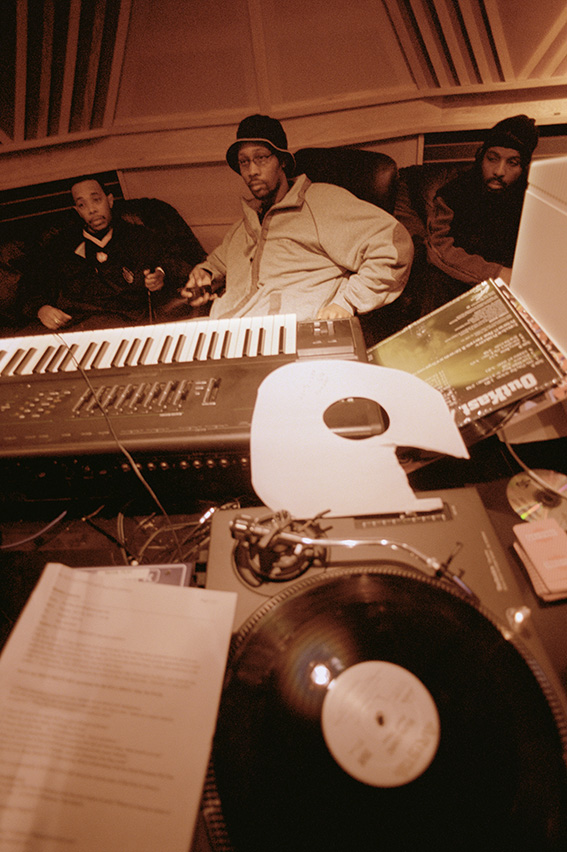
Hip hop production techniques have permeated nearly every genre of popular music, from pop and R&B to electronic dance music and even rock. The widespread adoption of sampling has led to a re-evaluation of copyright law and creative ownership, as seen in landmark cases involving artists like Vanilla Ice and Tommy Boy Records. The aesthetic of the boom-bap beat, characterized by heavy kicks and snares, influenced countless producers globally. The DIY ethos fostered by accessible production tools like the Akai MPC has empowered independent artists and fostered vibrant underground scenes in cities from London to Seoul. The visual representation of production, often featuring producers hunched over samplers and computers, has become an iconic image of modern music creation.
⚡ Current State & Latest Developments
The current landscape of hip hop production is characterized by an unprecedented fusion of analog warmth and digital precision. Producers are increasingly blending vintage hardware like Roland TR-808s and Akai S950 samplers with cutting-edge software synthesizers and AI-powered mixing tools. The rise of remote collaboration platforms like Splice and AudioMovers has enabled producers and artists to work together seamlessly across geographical boundaries. Furthermore, the increasing accessibility of high-quality audio interfaces and DAWs means that professional-sounding productions can now be created with relatively modest budgets, democratizing the creation process even further. The influence of trap music, with its signature 808s and rapid hi-hats, continues to be a dominant force, while experimental producers explore new sonic territories.
🤔 Controversies & Debates
One of the most enduring controversies in hip hop production revolves around sampling and copyright infringement. While sampling is a foundational element, unauthorized use of copyrighted material has led to numerous lawsuits, impacting artists like Jay-Z and labels like Universal Music Group. Another debate centers on the perceived homogenization of sound, with some critics arguing that the ubiquity of certain software presets and production styles leads to a lack of originality. The role of AI in music production also sparks debate, with questions arising about authorship, creativity, and the potential displacement of human producers. The authenticity of 'ghost production,' where uncredited producers craft tracks for artists, remains a persistent ethical concern within the industry.
🔮 Future Outlook & Predictions
The future of hip hop production is likely to be shaped by advancements in artificial intelligence and immersive audio technologies. AI-powered tools are already assisting with tasks like mixing, mastering, and even generating musical ideas, potentially leading to more efficient workflows and novel sonic textures. The increasing adoption of spatial audio formats like Dolby Atmos will necessitate new approaches to mixing and sound design, creating more three-dimensional listening experiences. We may also see a resurgence of interest in unique, hardware-based production techniques as producers seek to differentiate themselves from the digital mainstream. The ongoing globalization of hip hop will undoubtedly lead to further cross-pollination of production styles, drawing inspiration from diverse musical traditions worldwide.
💡 Practical Applications
Hip hop production techniques have found applications far beyond the genre itself. The principles of beatmaking and sampling are now integral to modern pop, R&B, and electronic music production. Producers utilize these techniques to create soundtracks for films, television shows, and video games, often employing custom sound design and rhythmic loops to enhance narrative and atmosphere. The accessibility of production software has also empowered creators in fields like podcasting and digital content creation, enabling them to craft unique sonic branding and background music. Furthermore, the rhythmic and melodic structures developed in hip hop production have influenced sound design in areas such as advertising and even therapeutic sound applications.
Key Facts
- Category
- technology
- Type
- topic