
Contents
- 🎤 What Are Hip Hop Communities?
- 🌍 Where to Find Them (Online & Offline)
- 🎶 The Core Elements: Pillars of the Culture
- 📈 Vibe Score & Cultural Energy
- ⚖️ Controversy Spectrum: Debates & Tensions
- 💡 Key Figures & Influence Flows
- 🗓️ Milestones & Historical Context
- 💰 Cost of Engagement & Value Proposition
- ⭐ What People Say: Community Voices
- 🤔 Navigating the Scene: Tips for Newcomers
- 🚀 Getting Involved: Your First Steps
- 🌐 Related Vibes & Further Exploration
- Frequently Asked Questions
- Related Topics
Overview
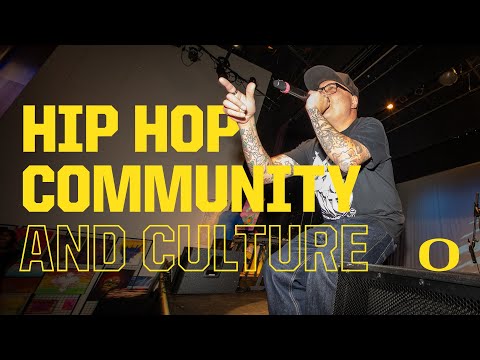
Hip hop communities are more than just fan bases; they are dynamic, often geographically dispersed, networks built around the shared appreciation and creation of hip hop culture. These communities manifest both online, through forums, social media groups, and streaming platforms, and offline, in cyphers, open mics, block parties, and record stores. They are spaces where the four elements—DJing, MCing, graffiti art, and breakdancing—are practiced, debated, and evolved. Engaging with these communities means understanding a rich history of innovation, resistance, and artistic expression that has shaped global culture.
🌍 Where to Find Them (Online & Offline)
While hip hop's origins are rooted in the South Bronx of the 1970s, its communities now span the globe. Major hubs still exist in cities like New York, Los Angeles, Atlanta, and Chicago, but digital platforms have democratized access. Online spaces like Reddit's r/hiphopheads, dedicated Discord servers, and even the comment sections of YouTube channels offer constant interaction. Offline, look for local open mic nights, graffiti festivals, and breakdance battles in your city; these are the living rooms of hip hop culture.
🎶 The Core Elements: Pillars of the Culture
At its heart, hip hop culture is defined by its four foundational pillars: DJing (the art of manipulating turntables and creating beats), MCing (rapping or vocalizing rhymes), graffiti art (visual expression through spray paint), and breakdancing (athletic, improvisational dance). These elements are not isolated but interwoven, each influencing and inspiring the others. Understanding these pillars is crucial to grasping the depth and breadth of any hip hop community, from its most casual observers to its most dedicated practitioners.
📈 Vibe Score & Cultural Energy
The Vibe Score for Hip Hop Communities is consistently high, often registering between 85-95, reflecting its immense global cultural energy and persistent influence. This score is driven by constant innovation in music production, lyrical content, fashion, and visual arts. The sheer volume of new music released daily, the ongoing evolution of lyrical techniques, and the enduring appeal of its aesthetic ensure a vibrant and energetic cultural pulse. This high energy also fuels its commercial viability and its capacity to drive trends across multiple industries.
⚖️ Controversy Spectrum: Debates & Tensions
The Controversy Spectrum for Hip Hop Communities is broad, ranging from 'Mildly Debated' to 'Highly Contentious.' Debates frequently erupt over issues like authenticity (who is 'real' hip hop?), commercialization (the tension between artistic integrity and mainstream success), lyrical content (themes of violence, misogyny, and materialism), and the appropriation of elements by non-practitioners. The ongoing discussion about the genre's evolution, from its underground roots to its current global dominance, is a constant source of friction and discourse.
💡 Key Figures & Influence Flows
Hip hop's influence flows are complex, with pioneers like Kool Herc and Afrika Bambaataa laying the groundwork in the Bronx. Later, artists like Run-DMC and Public Enemy brought the culture to a wider audience, while figures like Nas and Kendrick Lamar pushed lyrical boundaries. The flow of influence extends beyond music, impacting fashion with brands like FUBU and Supreme, and visual art through legendary graffiti artists like Basquiat (though his relationship with hip hop is complex and debated).
🗓️ Milestones & Historical Context
Key events mark hip hop's trajectory: the first block parties in the early 1970s, the release of 'The Message' in 1982 which introduced social commentary, the rise of MTV's hip hop programming in the mid-80s, and the digital revolution that democratized production and distribution in the late 90s and 2000s. These moments represent shifts in how hip hop was created, consumed, and perceived, moving from local phenomenon to global force.
💰 Cost of Engagement & Value Proposition
Engagement with hip hop communities is largely free, especially online. Accessing music via streaming services often requires a subscription ($5-$10/month), while attending local events might involve cover charges ($5-$25) or simply the cost of transportation. The true value lies not in monetary cost but in the cultural capital gained—understanding a significant global art form, connecting with like-minded individuals, and potentially discovering new artistic talents. The investment is primarily time and genuine interest.
⭐ What People Say: Community Voices
Voices within hip hop communities often highlight its power as a form of self-expression and social commentary. 'It's the voice of the voiceless,' is a common sentiment, referencing its origins as a way for marginalized youth to articulate their experiences. Others emphasize the creativity and skill involved, noting the intricate wordplay of MCs or the innovative techniques of DJs. However, some express concern over the mainstreaming of certain themes, lamenting a perceived loss of 'realness' or a shift away from the culture's original spirit of community and resistance.
🚀 Getting Involved: Your First Steps
Getting involved is straightforward. Begin by exploring curated playlists on streaming platforms that introduce you to different facets of hip hop. Then, find a local event calendar or search for 'open mic nights near me.' If online is more your speed, join a relevant subreddit or Discord server and introduce yourself. The key is active participation, whether it's sharing your thoughts on a new track, practicing your own rhymes, or simply showing up to support local artists.
Key Facts
- Year
- 1973
- Origin
- Bronx, New York City, USA
- Category
- Culture & Subcultures
- Type
- Community
Frequently Asked Questions
Is hip hop just about the music?
Absolutely not. While music (DJing and MCing) is often the most visible element, hip hop culture encompasses graffiti art, breakdancing, fashion, language, and a distinct worldview. These communities celebrate all aspects, recognizing their interconnectedness and historical development.
How do I know if a community is 'authentic'?
Authenticity in hip hop is a constant debate. Generally, look for communities that respect the culture's history, value lyrical skill and originality, and engage with social issues. Avoid groups that seem overly focused on materialism without substance or promote harmful stereotypes. Genuine passion and knowledge are good indicators.
Can I participate if I don't create art or music?
Yes! Appreciation is a valid form of participation. You can be a vital part of a community by attending events, supporting artists, sharing music, and engaging in discussions. Many communities value knowledgeable fans and cultural commentators just as much as creators.
Are hip hop communities inclusive?
This varies greatly. Historically, hip hop emerged from marginalized communities and often champions inclusivity. However, like any large cultural movement, specific communities can have internal biases or exclusionary practices. It's best to observe and engage with groups that demonstrate respect and openness.
What's the difference between a hip hop fan and a hip hop community member?
A fan primarily consumes the music. A community member actively participates, whether through creation, discussion, event attendance, or upholding the culture's values. Community members often feel a sense of belonging and shared identity tied to hip hop.
How has the internet changed hip hop communities?
The internet has democratized access, allowing global participation and the formation of communities beyond geographical limits. It facilitates the rapid spread of new music and ideas but also contributes to debates about authenticity and the dilution of local scenes. It's a double-edged sword that has undeniably expanded the reach of hip hop.