
Contents
- 🌾 What Are Heritage Grains, Anyway?
- 📜 A Brief History: From Ancient Fields to Your Plate
- 💡 Why the Buzz? The Appeal of Ancient Grains
- 🔍 Key Heritage Grains to Know
- 🍽️ Where to Find and Taste Heritage Grains
- 🧑🌾 The Farmers Championing These Seeds
- 🤔 The Debate: Authenticity vs. Accessibility
- 📈 The Future of Heritage Grains
- ✅ Practical Tips for Home Cooks
- 🌍 Global Impact and Sustainability
- Frequently Asked Questions
- Related Topics
Overview
Heritage grains are essentially the heirloom varieties of staple cereal crops, predating the widespread adoption of modern, high-yield hybrid breeds. Think of them as the 'heirloom tomatoes' of the grain world. These aren't just old; they're often distinct landraces or open-pollinated varieties that have been cultivated for centuries, sometimes millennia, and have maintained their genetic integrity. Unlike modern commercial grains bred for uniformity, disease resistance, and high output, heritage grains often possess unique flavors, textures, and nutritional profiles. Their cultivation typically involves traditional farming methods, making them a cornerstone of agroecological practices and a vital link to agricultural history. This focus on genetic diversity is crucial for building resilient food systems.
📜 A Brief History: From Ancient Fields to Your Plate
The story of heritage grains is as old as civilization itself. Ancient grains like emmer wheat and einkorn were foundational to early agriculture in the Fertile Crescent, dating back over 10,000 years. For millennia, these grains fed empires and shaped diets. The Green Revolution of the mid-20th century, however, prioritized a narrow range of high-yield, uniform varieties, leading to a significant decline in the cultivation of many heritage types. This shift was driven by the demand for increased food production and standardization in milling and baking. Fortunately, a resurgence of interest in the last few decades, fueled by chefs, farmers, and consumers seeking flavor and tradition, has begun to bring these ancient seeds back from the brink of obscurity, reconnecting us with our agricultural roots.
💡 Why the Buzz? The Appeal of Ancient Grains
The appeal of heritage grains is multifaceted, extending far beyond mere nostalgia. For chefs and food enthusiasts, they offer unparalleled flavor complexity and textural variety that modern grains often lack. Imagine the nutty depth of spelt flour or the slightly sweet, earthy notes of amaranth. Beyond taste, many heritage grains boast superior nutritional profiles, often containing higher levels of protein, fiber, and micronutrients compared to their modern counterparts. They also represent a tangible connection to history and a more sustainable agricultural model, appealing to the growing consumer consciousness around food origins and environmental impact. This combination of sensory delight and ethical sourcing creates a powerful draw.
🔍 Key Heritage Grains to Know
Among the most notable heritage grains are einkorn, often considered the oldest wheat, with a delicate, slightly sweet flavor; emmer, an ancestor of durum wheat, offering a robust, nutty taste; spelt, a versatile ancient wheat with a mild, sweet flavor and a slightly chewy texture; khorasan wheat (often marketed as Kamut®), known for its large kernels and buttery, rich taste; amaranth, technically a pseudocereal, providing a complete protein and a slightly peppery flavor; and quinoa, another pseudocereal celebrated for its fluffy texture and mild, nutty taste. Each grain offers a unique culinary experience, from the hearty chew of farro (which can refer to several ancient wheat varieties) to the delicate crumb of einkorn bread. Exploring these distinct varieties is key to understanding the breadth of ancient grains.
🍽️ Where to Find and Taste Heritage Grains
Discovering heritage grains can be an adventure for the palate. Many specialty food stores and farmers markets now carry flours, grains, and baked goods made from these ancient varieties. Look for local bakeries that emphasize traditional methods, as they are often at the forefront of using heritage grains. Online retailers specializing in heritage products are also a growing resource, offering a wider selection of grains and flours directly to consumers. Attending food festivals or workshops focused on ancient grains can provide opportunities to taste them prepared by expert chefs and learn about their culinary applications. Don't hesitate to ask producers about the specific varieties they are using and their origins.
🧑🌾 The Farmers Championing These Seeds
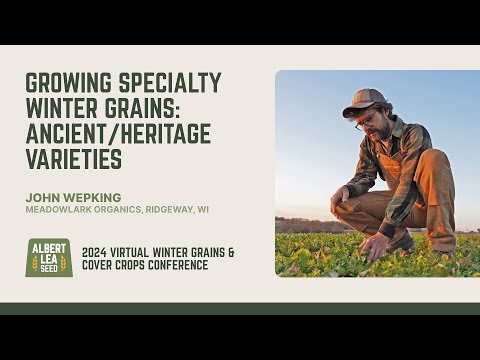
A dedicated community of farmers is crucial to the revival of heritage grains. These individuals are often driven by a passion for biodiversity, soil health, and preserving agricultural heritage, rather than solely by profit margins. Organizations like the The Bread Lab at Washington State University, led by figures like Stephen Jones, are instrumental in breeding and promoting new varieties of heritage and regionally adapted grains. Farmers markets are excellent places to connect directly with growers who are cultivating these ancient seeds, offering insights into their farming practices and the unique qualities of their crops. Supporting these farmers through direct purchase is one of the most impactful ways to contribute to the heritage grain movement.
🤔 The Debate: Authenticity vs. Accessibility
The heritage grain movement isn't without its controversies. A significant debate revolves around accessibility and authenticity. While many consumers are drawn to the 'ancient' and 'heritage' labels, questions arise about the true genetic purity of some commercially available grains and the extent to which they are truly representative of historical varieties. Furthermore, the cost of heritage grains is often higher than conventional ones, raising concerns about equitable access for all consumers. Some critics argue that the romanticization of heritage grains can overshadow the need for broader systemic changes in agriculture that benefit all farmers and consumers, not just those who can afford premium products.
📈 The Future of Heritage Grains
The future of heritage grains looks promising, though challenges remain. Continued research and development, particularly in breeding programs focused on both flavor and resilience, will be key. The growing consumer demand for unique, nutritious, and sustainably produced food products provides a strong market signal. However, scaling up production without compromising the integrity of these varieties or their traditional farming methods is a significant hurdle. The success of heritage grains will likely depend on fostering stronger connections between farmers, millers, bakers, and consumers, creating a more integrated and supportive ecosystem for these ancient seeds to thrive in modern agriculture.
✅ Practical Tips for Home Cooks
For home cooks looking to experiment with heritage grains, start simple. Many ancient grains can be substituted for their modern counterparts in recipes, though you may need to adjust liquid ratios or cooking times. For example, you can often use spelt flour in place of all-purpose flour in baking, though the results might be slightly denser. Whole grains like farro or emmer can be cooked like rice or barley and added to salads, soups, or pilafs. When baking bread, consider using a blend of heritage and modern flours to ease into the process and achieve desired textures. Don't be afraid to experiment with different varieties to discover your favorites.
🌍 Global Impact and Sustainability
The cultivation and consumption of heritage grains have significant global implications for biodiversity and food security. By supporting a wider range of crop varieties, we enhance the resilience of our agricultural systems against climate change and disease. Many heritage grains are naturally more drought-tolerant or require fewer chemical inputs, aligning with principles of sustainable agriculture. Their revival also supports rural economies and preserves cultural traditions tied to specific crops and culinary practices. As global food systems face increasing pressure, the lessons learned from cultivating and valuing diverse heritage grains become ever more critical for a sustainable future.
Key Facts
- Year
- Pre-history
- Origin
- Global agricultural centers
- Category
- Food & Agriculture
- Type
- Topic
Frequently Asked Questions
Are heritage grains healthier than modern grains?
Many heritage grains are considered more nutritious, often boasting higher levels of protein, fiber, vitamins, and minerals than their modern, highly hybridized counterparts. For instance, einkorn and emmer are rich in antioxidants and have a different gluten structure that some individuals find easier to digest. However, nutritional content can vary significantly between specific varieties and growing conditions. It's not a universal 'healthier' label, but they often offer a more robust nutritional profile.
What's the difference between 'heritage grains' and 'ancient grains'?
The terms 'heritage grains' and 'ancient grains' are often used interchangeably, but there's a subtle distinction. 'Ancient grains' typically refers to grains that have remained largely unchanged for thousands of years, such as einkorn, emmer, and khorasan wheat. 'Heritage grains' is a broader term that can include these ancient varieties as well as older, open-pollinated varieties that have been passed down through generations but might be more recent than the truly ancient ones. Both emphasize genetic diversity and traditional cultivation.
Can I substitute heritage grain flours for all-purpose flour in my baking?
Yes, but with adjustments. Heritage grain flours, like spelt or emmer, have different protein structures and absorption rates than modern wheat flours. You might find that baked goods made with 100% heritage flour are denser or have a different crumb. It's often recommended to start by substituting 25-50% of the all-purpose flour with heritage flour and gradually increase the proportion as you get a feel for how they behave. Hydration levels may also need tweaking.
Are heritage grains more expensive?
Generally, yes. Heritage grains are often more expensive due to several factors. Their cultivation typically involves smaller-scale farming operations, traditional methods that may be more labor-intensive, and lower yields per acre compared to modern commercial grains. They also often require specialized milling and distribution channels. The premium price reflects the cost of preserving biodiversity, unique flavor profiles, and sustainable farming practices.
Where can I buy heritage grains or flours?
You can find heritage grains and flours at specialty food stores, health food stores, and increasingly, at farmers markets directly from local growers. Many online retailers also specialize in heritage and ancient grains, offering a wide selection. Look for brands that clearly label the specific grain variety and, if possible, its origin.
What is the gluten content of heritage grains?
Most heritage wheat varieties, like einkorn, emmer, and spelt, contain gluten. However, the structure and composition of the gluten proteins differ from modern wheat. Some people who are sensitive to gluten in modern wheat find they can tolerate heritage grains better. It's crucial to understand that these are not gluten-free options, and individuals with celiac disease must avoid them.