
Contents
- 🎵 Origins & History
- ⚙️ How It Works
- 📊 Key Facts & Numbers
- 👥 Key People & Organizations
- 🌍 Cultural Impact & Influence
- ⚡ Current State & Latest Developments
- 🤔 Controversies & Debates
- 🔮 Future Outlook & Predictions
- 💡 Practical Applications
- 📚 Related Topics & Deeper Reading
- Frequently Asked Questions
- References
- Related Topics
Overview
The roots of herbivory stretch back to the very dawn of animal life, with evidence suggesting that early multicellular organisms likely grazed on microbial mats and primitive algae. As plants evolved from simple aquatic forms to complex terrestrial flora, so too did the diversity and specialization of herbivorous animals. The Cambrian explosion, around 541 million years ago, saw the emergence of many animal lineages, some of which undoubtedly incorporated plant matter into their diets. The Devonian period, marked by the colonization of land by plants, provided a vast new food source, spurring the evolution of terrestrial herbivores. Over geological time, this relationship became a powerful engine of co-evolution, with plants developing thorns, toxins, and tough cell walls, while herbivores evolved specialized digestive systems, behavioral strategies, and physical adaptations to overcome these defenses. The fossil record, from the jaws of ancient invertebrates to the gut contents of prehistoric vertebrates, offers glimpses into this ancient and ongoing ecological drama.
⚙️ How It Works
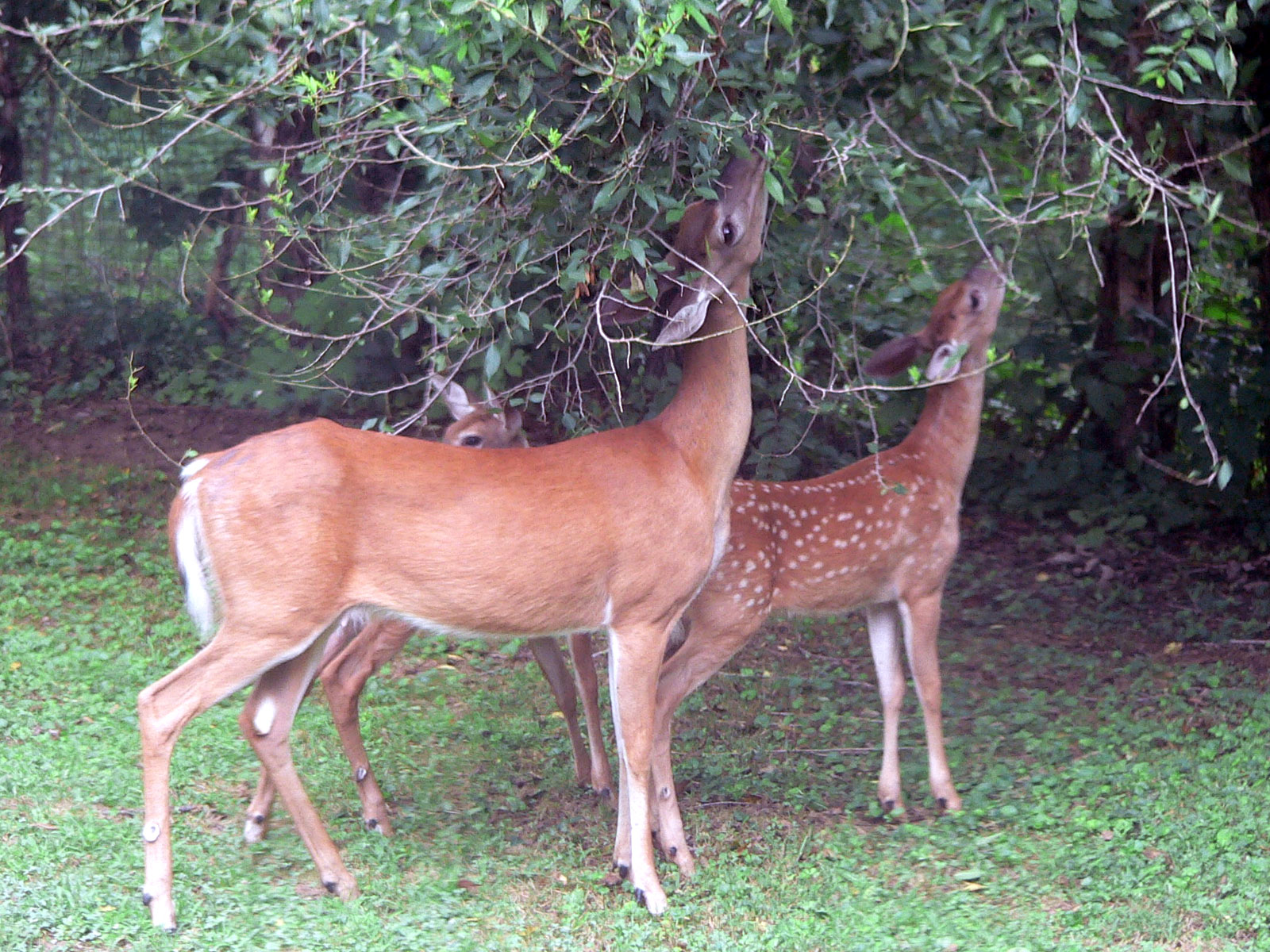
Herbivory operates through a complex interplay of consumption, digestion, and ecological impact. Herbivores possess a range of mouthparts adapted for processing plant material, from the piercing-sucking stylets of aphids to the grinding molars of cattle and the shearing incisors of rabbits. The primary challenge for herbivores is the digestion of cellulose and lignin, complex polysaccharides that form plant cell walls. Many herbivores, like ruminants such as cows and sheep, employ symbiotic gut microbes in specialized digestive organs like the rumen to break down these compounds through fermentation. Others, like horses and rabbits, rely on hindgut fermentation in the cecum. This digestive process is crucial for extracting nutrients and energy from plant matter, but it often requires significant time and specialized physiological adaptations. The efficiency of herbivory is further influenced by plant nutritional quality, secondary metabolites (toxins), and the physical structure of the plant.
📊 Key Facts & Numbers
Herbivory is a quantitatively massive force in global ecosystems. It is estimated that herbivores consume approximately 10-20% of all terrestrial plant biomass annually, a figure that can reach up to 90% in certain environments. Insects alone account for a significant portion of this consumption, with some studies suggesting they are responsible for up to 80% of all herbivory. Globally, there are over 200,000 known species of herbivorous insects, and their collective impact on plant populations is immense. Large mammalian herbivores, though fewer in species, can have profound impacts on vegetation structure; for instance, a single adult African elephant can consume up to 150 kg of vegetation daily. The sheer scale of this consumption shapes landscapes, influences plant community composition, and drives nutrient cycling across continents, with an estimated 100 billion tons of carbon cycled annually through herbivore activity.
👥 Key People & Organizations
The study of herbivory has been advanced by numerous scientists and institutions. Pioneering work by evolutionary biologist E.O. Wilson explored the intricate relationships between insects and plants. Ecologists like Robert May and Robert Paine developed theoretical frameworks for understanding food webs and the impact of herbivores on ecosystem stability, particularly through concepts like trophic cascades. The Smithsonian Institution and the Max Planck Society have hosted extensive research programs investigating herbivore physiology, behavior, and ecological roles. Organizations such as the Ecological Society of America and the IUCN frequently publish research and conservation strategies related to herbivore populations and their habitats, highlighting the work of researchers like Daniel Janzen and his studies on acacia trees and their ant mutualists.
🌍 Cultural Impact & Influence
Herbivory has permeated human culture, appearing in art, literature, and mythology across civilizations. Ancient cave paintings depict hunters pursuing herbivorous prey, reflecting humanity's long-standing reliance on these animals for sustenance. In many cultures, herbivores are revered symbols of fertility, abundance, and the natural world; think of the sacred cows of Hinduism or the symbolic significance of deer in Shinto traditions. The domestication of herbivores like cattle, sheep, and horses fundamentally reshaped human societies, enabling agriculture, transportation, and the development of complex civilizations. Modern media continues to explore herbivory through documentaries like those produced by National Geographic, children's stories featuring friendly herbivores, and scientific discourse on conservation and biodiversity, demonstrating its enduring cultural resonance.
⚡ Current State & Latest Developments
Current research in herbivory is increasingly focused on the impacts of climate change and anthropogenic pressures. Scientists are observing shifts in herbivore distribution and behavior as temperatures rise and habitats change, affecting plant-herbivore interactions. For instance, studies in the Arctic are documenting how changing vegetation patterns due to warming are altering the diets and migration routes of reindeer and caribou. Furthermore, the rise of invasive plant and animal species presents new challenges, disrupting established herbivory dynamics. Researchers are also employing advanced technologies like GPS tracking, stable isotope analysis, and genomic sequencing to gain unprecedented insights into herbivore diets, movement patterns, and their physiological responses to environmental stressors. The impact of human-induced habitat fragmentation on large herbivore populations, such as rhinos and giraffes, remains a critical area of ongoing investigation and conservation effort.
🤔 Controversies & Debates
Debates surrounding herbivory often center on the 'herbivore paradox'—why aren't plants completely devoured given their abundance? This question has fueled discussions about the effectiveness of plant defenses, the role of predators in regulating herbivore populations (the 'green world hypothesis'), and the energetic costs associated with herbivory. Another significant debate concerns the impact of large herbivores on ecosystem management. While some argue that large herbivores are crucial for maintaining biodiversity and ecosystem health (e.g., through grazing and seed dispersal), others express concerns about their potential for overgrazing and habitat degradation, particularly in areas with altered predator-prey dynamics due to human intervention. The ethical considerations of managing wild herbivore populations, including culling and reintroduction programs, also spark considerable controversy among conservationists and the public.
🔮 Future Outlook & Predictions
The future of herbivory will likely be shaped by accelerating climate change, habitat loss, and evolving human interactions. Projections suggest that many herbivore species will face increased pressure to adapt or migrate as their food sources and habitats shift. We may see novel plant-herbivore interactions emerge as species encounter new food plants and competitors. The role of large herbivores in carbon sequestration and landscape management is also gaining attention, with potential for 'rewilding' projects to reintroduce these animals to restore ecological functions. Furthermore, advancements in understanding plant defenses and herbivore resistance could lead to new strategies for sustainable agriculture, reducing reliance on pesticides by mimicking natural herbivory resistance mechanisms. The challenge will be to balance conservation needs with the ecological services these animals provide.
💡 Practical Applications
Understanding herbivory has direct applications in agriculture, conservation, and ecosystem management. In agriculture, knowledge of herbivore feeding preferences and plant defenses informs the development of pest-resistant crops and integrated pest management strategies, reducing the need for chemical pesticides. For instance, understanding the feeding habits of corn rootworm has led to the development of genetically modified corn varieties that express insecticidal proteins. In conservation, managing herbivore populations is crucial for maintaining habitat structure and biodiversity. Reintroducing or managing populations of large herbivores, like bison in North America or elephants in Africa, can restore grasslands and influence vegetation dynamics. Furthermore, studying herbivore digestive processes can inspire innovations in biofuel production and waste management, by learning from how microbes break down tough plant material.
Key Facts
- Year
- Prehistoric - Present
- Origin
- Global
- Category
- nature
- Type
- concept
Frequently Asked Questions
What's the difference between a herbivore and a plant-eater?
The terms 'herbivore' and 'plant-eater' are essentially synonymous, both referring to animals that consume plant material. 'Herbivory' is the behavior, while 'herbivore' is the organism. The scientific classification of herbivores can be more specific, distinguishing between grazers (eating grasses), browsers (eating leaves and twigs), frugivores (eating fruit), and granivores (eating seeds), among others. These distinctions highlight the diverse ways animals interact with different parts of plants, a spectrum of feeding behaviors that collectively define herbivory.
How do herbivores digest tough plant material like cellulose?
Digesting cellulose, a primary component of plant cell walls, is a major challenge for herbivores. Most herbivores rely on symbiotic microorganisms, such as bacteria, protozoa, and fungi, that live in their digestive tracts and produce the enzyme cellulase to break down cellulose. Ruminants, like cows and sheep, have a specialized four-chambered stomach (rumen) where microbial fermentation occurs. Other herbivores, like horses, ferment cellulose in their hindgut, specifically in an enlarged cecum. This process extracts nutrients and energy, but it is often slow and requires a significant portion of the herbivore's digestive system.
Why don't herbivores eat all the plants?
This is known as the 'herbivore paradox,' and it's a central question in ecology. Several factors prevent complete plant consumption: plants possess a vast array of defenses, including physical barriers like thorns and tough cuticles, and chemical defenses like toxins and unpalatable compounds. Furthermore, herbivore populations are often regulated by predators, parasites, and diseases, preventing them from reaching densities that would decimate plant life. The nutritional quality of plants also varies seasonally and geographically, limiting what herbivores can effectively consume. Finally, the sheer diversity of plant species means that herbivores often specialize on particular plants, leaving others untouched.
What is the ecological role of herbivores?
Herbivores play a critical role in shaping ecosystems. They are primary consumers in food webs, transferring energy from producers (plants) to higher trophic levels. Their grazing and browsing influence plant community structure, diversity, and productivity, preventing any single plant species from dominating. Herbivores also contribute to nutrient cycling by excreting waste and through decomposition after death. Many herbivores are important seed dispersers, aiding plant reproduction and migration. In some cases, their activities, like creating clearings or modifying soil through trampling, can create habitats for other species, demonstrating their profound impact on biodiversity and ecosystem function.
How has climate change affected herbivory?
Climate change is significantly altering herbivory dynamics worldwide. Rising temperatures and altered precipitation patterns affect plant growth, nutritional content, and phenology (timing of biological events), directly impacting food availability for herbivores. For example, earlier spring green-up in some regions may lead to a mismatch between the birth of herbivore offspring and peak food abundance, impacting reproductive success. Changes in vegetation distribution can force herbivores to migrate or adapt to new diets, potentially leading to novel interactions and competition. Extreme weather events, such as droughts and floods, can also decimate plant resources and herbivore populations, disrupting established ecological balances. The long-term consequences include shifts in species ranges, altered community compositions, and potential declines in vulnerable herbivore populations.
Can studying herbivory help us with agriculture?
Absolutely. Understanding herbivory is fundamental to sustainable agriculture. By studying how pests feed on crops and how plants defend themselves, scientists develop strategies for pest management. This includes breeding crop varieties that are naturally resistant to herbivore damage, similar to how wild plants have evolved defenses. Knowledge of herbivore behavior can also inform the design of traps and deterrents. Furthermore, understanding the role of beneficial insects that prey on herbivorous pests is key to integrated pest management (IPM) programs, which aim to minimize chemical pesticide use. Research into the digestive capabilities of herbivores also inspires innovations in biofuel production and waste decomposition.
What are some examples of extreme herbivory?
Extreme herbivory can manifest in various ways. The sheer volume consumed by large mammals like African elephants, which can eat up to 150 kg of vegetation daily, is one example. Insect herbivory can also be incredibly intense; a single locust swarm can consume vast tracts of vegetation in a short period, causing widespread devastation. Specialized herbivores, like the leaf-cutter ant, meticulously harvest and transport plant material to their colonies, demonstrating highly organized and efficient consumption. In aquatic environments, organisms like sea urchins can create 'urchin barrens' by consuming kelp forests down to the holdfasts, drastically altering marine ecosystems. These examples highlight the powerful impact herbivores can have on their environments when conditions allow for high population densities or specialized feeding strategies.