
Contents
- 🎵 Origins & History
- ⚙️ The Weight of the Crown
- 📊 Key Facts & Numbers
- 👥 Key Figures in a Tumultuous Court
- 🌍 The Loss of France and Rise of Internal Strife
- ⚡ From Throne to Tower: The Wars of the Roses
- 🤔 Piety vs. Power: The Controversy of His Rule
- 🔮 A Legacy of Division and Devotion
- 💡 Foundations of Faith and Failure
- 📚 Further Reading on a Tragic King
- References
Overview
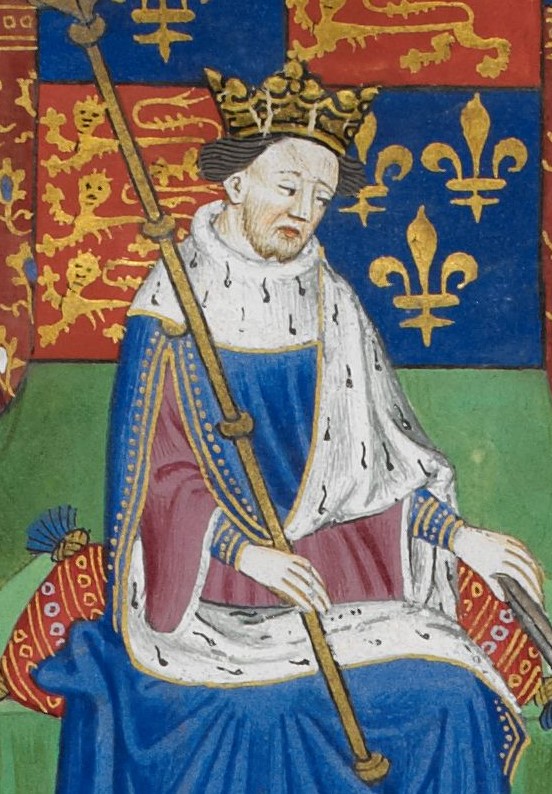
Henry VI's lineage was steeped in royal blood and military ambition. Born at Windsor Castle, he was the sole legitimate child of the formidable Henry V and Catherine of Valois. His father's death less than a year after Henry's birth catapulted the infant onto the English throne. The subsequent death of his maternal grandfather, Charles VI of France, a month later, under the terms of the Treaty of Troyes, made him claimant to the French crown as well. This dual inheritance, managed by regents like his uncle Humphrey, Duke of Gloucester, set the stage for a reign defined by inherited claims and a profound lack of personal agency in his formative years. The Hundred Years' War was already a protracted conflict, and the young king inherited a precarious position on both sides of the Channel.
⚙️ The Weight of the Crown
The mechanics of Henry VI's rule were less about active governance and more about the struggle to maintain control amidst powerful factions. He was crowned King of England at Westminster Abbey, and his coronation as King of France followed in Paris. However, his personal involvement in governance was severely hampered by his deeply religious nature and, critically, by periods of profound mental incapacitation. This condition would recur, leaving the reins of power to shifting hands, most notably his formidable wife, Margaret of Anjou, and powerful nobles like Richard, Duke of York. This instability was a breeding ground for the political maneuvering that would soon erupt into open warfare.
📊 Key Facts & Numbers
Henry VI's reign spanned a tumultuous 49 years, marked by significant territorial losses and internal conflict. His claim to the French throne had dwindled to virtually nothing. During his reign, England saw the rise and fall of numerous noble factions, with the Wars of the Roses fought between the houses of Lancaster and York. The cost of these conflicts, both in human lives and financial resources, was immense, contributing to the economic strain on the kingdom. His personal piety was notable; he founded Eton College and King's College, Cambridge, institutions that still stand today. His reign was marked by periods of profound mental incapacitation, and he was King of England for two distinct periods: 1422–1461 and 1470–1471.
👥 Key Figures in a Tumultuous Court
The court of Henry VI was a viper's nest of competing interests, populated by figures who profoundly shaped his reign. His queen, Margaret of Anjou, was a powerful and determined figure who actively engaged in politics, particularly during his periods of illness, often clashing with the Yorkist faction. Key among his rivals was Richard, Duke of York, whose claim to the throne and ambition directly challenged Henry's authority, ultimately igniting the Wars of the Roses. Other influential figures included Humphrey, Duke of Gloucester, his uncle and regent, whose power struggles with Cardinal Henry Beaufort defined early years of his reign, and later, Richard Neville, the Earl of Warwick, known as the 'Kingmaker', who famously switched his allegiance between Henry and Edward IV.
🌍 The Loss of France and Rise of Internal Strife
The most devastating consequence of Henry VI's reign was the complete loss of English territories in France. The Hundred Years' War, which had seen English dominance under his father, Henry V, collapsed entirely. This monumental failure, largely attributed to weak leadership and internal divisions, had profound repercussions. It not only stripped England of its continental possessions but also fueled discontent and instability at home. The return of soldiers from France, many unemployed and accustomed to warfare, added to the social unrest. The loss of prestige and the perceived incompetence of the Lancastrian government under Henry VI created a power vacuum, directly paving the way for the Yorkist challenge and the ensuing civil war.
⚡ From Throne to Tower: The Wars of the Roses
The period known as the Wars of the Roses saw England plunged into a brutal dynastic conflict directly linked to the instability of Henry VI's rule. His incapacitation provided the perfect opportunity for Richard, Duke of York to assert his claim to the throne. Henry was deposed and imprisoned. A brief, dramatic restoration occurred, but it was short-lived. Edward IV returned from exile and definitively ended the Lancastrian claim. Henry VI was subsequently murdered in the Tower of London, bringing his troubled reign to a violent close.
🤔 Piety vs. Power: The Controversy of His Rule
The controversy surrounding Henry VI's reign centers on the dichotomy between his personal piety and his political ineffectiveness. Was he a saintly king undone by circumstance and the ambition of others, or a fundamentally flawed ruler whose weaknesses invited disaster? His profound religious devotion, while earning him sainthood in the popular imagination and later canonization efforts, often translated into an inability to make difficult political decisions or exert necessary force. Critics point to his mismanagement of the French territories and his susceptibility to factional influence as evidence of his unsuitability for kingship. Supporters, however, emphasize his consistent desire for peace and justice, arguing that the nobility's greed and infighting were the true culprits behind England's woes. The debate continues: was he a victim of his times, or a catalyst for its most violent upheaval?
🔮 A Legacy of Division and Devotion
Henry VI's legacy is one of profound tragedy and enduring historical significance. His reign represents a critical turning point, marking the end of English ambitions in France and the violent birth of a new royal dynasty. The Wars of the Roses, a conflict directly precipitated by the weaknesses exposed during his rule, claimed countless lives and reshaped the English aristocracy, ultimately leading to the rise of the Tudor dynasty. While his personal sanctity was recognized by many contemporaries and later venerated, his political failures left an indelible mark on English history. His story serves as a cautionary tale about the intersection of personal character, political power, and the unforgiving currents of history, a narrative that continues to fascinate historians and dramatists alike, as seen in works like Shakespeare's Henry VI plays.
💡 Foundations of Faith and Failure
Henry VI's personal impact extended beyond the political arena, notably through his patronage of religious and educational institutions. His founding of Eton College and King's College, Cambridge were significant acts of piety and foresight, intended to provide education and spiritual guidance. These institutions, built with royal funds and patronage, became bastions of learning and continue to thrive centuries later. His personal devotion also led to a reputation for sanctity, with many believing him to be a saintly figure, a perception that persisted even after his violent death. This dual legacy—a king who lost a kingdom but founded enduring educational establishments—highlights the complex nature of his impact.
📚 Further Reading on a Tragic King
To understand the full scope of Henry VI's reign, one must examine the broader context of late medieval England and France. The Wars of the Roses are a crucial adjacent topic, detailing the dynastic conflict that defined the latter half of the 15th century. Exploring the Hundred Years' War provides essential background on the territorial disputes that plagued his reign. For a deeper dive into
Key Facts
- Category
- history
- Type
- topic