
Contents
- 📍 The GTA: More Than Just a City
- 🗺️ Navigating the Municipal Maze
- 🚗 Getting Around: The Transit Conundrum
- 🏠 Where to Live: A Tale of Two Suburbs (and Cities)
- 💼 Economic Engine: Beyond the Skyline
- 🎭 Cultural Mosaic: The Vibe of the GTA
- 📈 Future Shock: What's Next for the 416 and Beyond?
- 💡 Key Takeaways for the Uninitiated
- Frequently Asked Questions
- Related Topics
Overview
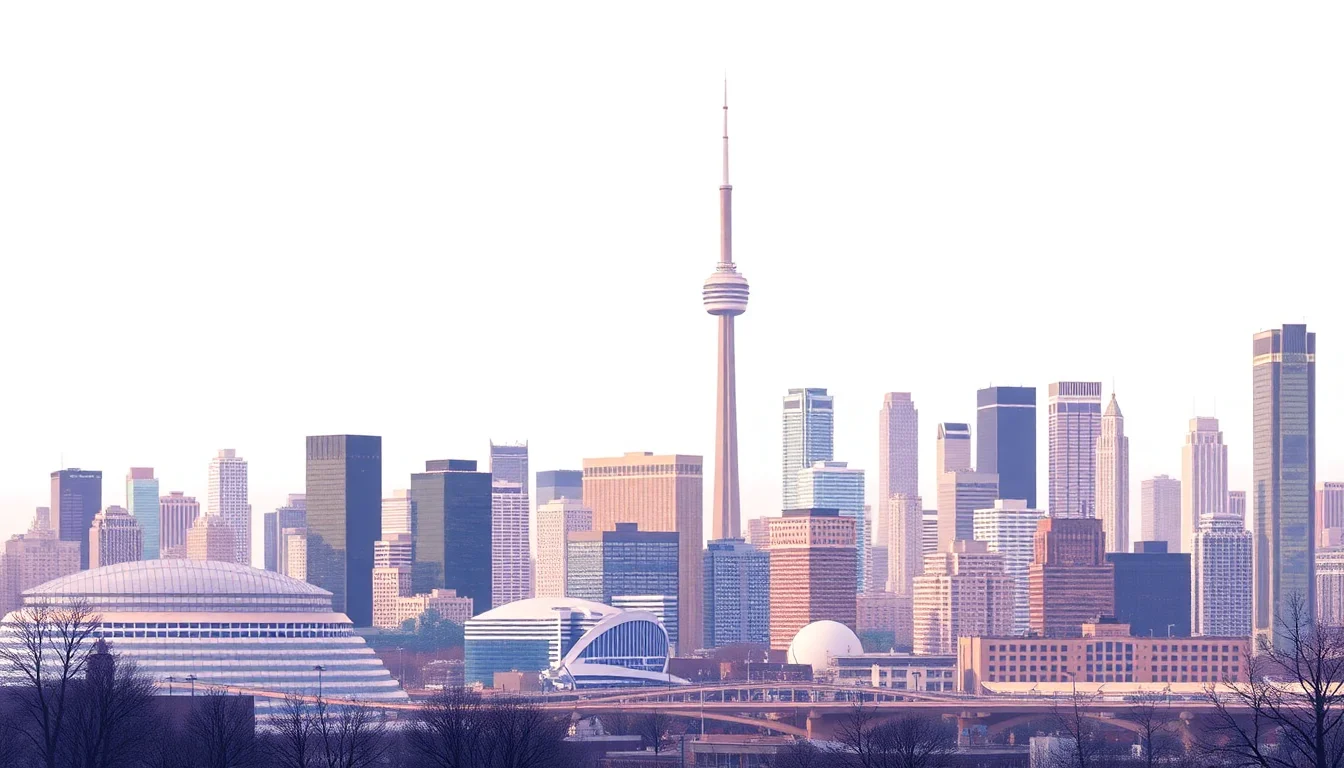
The Greater Toronto Area (GTA) isn't just a city; it's a sprawling, dynamic megalopolis that punches well above its weight on the global stage. Comprising Toronto proper and its surrounding regional municipalities – Durham, Halton, Peel, and York – the GTA is a mosaic of distinct communities, each with its own character and economic drivers. Historically a hub for immigration, it boasts an unparalleled diversity that infuses its food, arts, and social fabric. Yet, beneath the surface of multiculturalism lies a persistent tension between its aspirational image and the stark realities of affordability, infrastructure strain, and regional disparities. Understanding the GTA requires looking beyond the skyline to the intricate web of interconnected, often competing, interests that define this powerhouse region.
📍 The GTA: More Than Just a City
The GTA isn't just a city; it's a sprawling megalopolis, a collection of municipalities that collectively form Canada's most populous region. Forget thinking of it as just the 416 – the GTA encompasses Durham Region, Halton Region, Peel Region, and York Region, each with its own distinct character and economic drivers. This vast territory, stretching over 5,900 square kilometers, is home to over 6.4 million people as of the 2021 census, making it a significant global urban center. Understanding the GTA means understanding its constituent parts and the complex interplay between them, from the downtown core's financial might to the suburban sprawl's residential dominance.
🚗 Getting Around: The Transit Conundrum
Getting around the GTA is a daily challenge for millions, a testament to its sheer scale and the ongoing debate about transit investment. The Toronto Transit Commission (TTC) is the backbone for the city proper, offering subways, streetcars, and buses. However, its reach diminishes significantly outside Toronto's borders. GO Transit, the regional commuter rail and bus network, is crucial for connecting the outer municipalities, but its service frequency and coverage are often criticized, especially during off-peak hours. The provincial government's role in funding and planning transit, particularly through Metrolinx, is a constant point of contention, with debates raging over the pace of Ontario Line construction and the expansion of PRESTO card usage.
🏠 Where to Live: A Tale of Two Suburbs (and Cities)
The GTA offers a dizzying array of living options, from the hyper-urban density of downtown Toronto to the family-friendly suburbs that define much of the region. Toronto itself boasts diverse neighborhoods like Annex with its Victorian homes and King Street West with its trendy lofts. Outside the city, Mississauga offers a more suburban feel with a growing downtown core, Brampton is known for its large South Asian population and extensive park system, and Markham is a hub for tech companies and diverse communities. Each municipality presents a different lifestyle, price point, and community vibe, making the choice of where to settle a deeply personal one, often dictated by commute times and housing budgets.
💼 Economic Engine: Beyond the Skyline
The economic engine of the GTA is a powerhouse, driving a significant portion of Canada's GDP. Bay Street is the undisputed financial capital, home to major banks, stock exchanges, and corporate headquarters. Beyond finance, the region is a leader in technology, media, arts, and education. U of T, York U, and TMU are major research institutions fueling innovation. The GTA's diverse economy is a key strength, attracting global talent and investment, though it also faces challenges related to income inequality and the concentration of wealth in certain sectors and areas.
🎭 Cultural Mosaic: The Vibe of the GTA
The cultural vibe of the GTA is its defining characteristic – a vibrant, often chaotic, and endlessly fascinating mosaic. Toronto, in particular, is celebrated for its multiculturalism, with over half its population born outside Canada, leading to an incredible array of culinary experiences, festivals, and community events. From the Caribbean Carnival in the summer to the all-night art festival, the city pulses with energy. The surrounding municipalities contribute to this richness, each with its own cultural enclaves and community traditions, creating a dynamic urban fabric that is constantly evolving and surprising.
📈 Future Shock: What's Next for the 416 and Beyond?
The future of the GTA is a subject of intense debate and speculation, largely centered on how it will manage its relentless growth. Projections show the population continuing to surge, placing immense pressure on housing, infrastructure, and the environment. Key questions revolve around sustainable development, the future of work in a post-pandemic world, and the ongoing need for massive transit investment. Will the region successfully integrate its growing population into livable, affordable communities, or will it succumb to sprawl and congestion? The decisions made by provincial and municipal leaders in the coming decade will shape the GTA's destiny for generations.
💡 Key Takeaways for the Uninitiated
For anyone looking to understand or navigate the GTA, remember it's a region of distinct parts, not a monolith. Prioritize understanding your commute, as it will heavily influence your lifestyle choices. Explore beyond the downtown core; the surrounding municipalities offer unique experiences and communities. Be prepared for ongoing debates about transit funding and development, as these are central to the region's future. Finally, embrace the diversity; it's the GTA's greatest asset and the source of its unique energy.
Key Facts
- Year
- 1998
- Origin
- The term 'Greater Toronto Area' was officially adopted in 1998 following the amalgamation of the former Metropolitan Toronto with its surrounding municipalities.
- Category
- Geography & Urbanism
- Type
- Metropolitan Area
Frequently Asked Questions
What exactly is the Greater Toronto Area (GTA)?
The GTA is a large metropolitan region in Southern Ontario, Canada, centered around the City of Toronto. It officially comprises the City of Toronto and the regional municipalities of Durham, Halton, Peel, and York. It's Canada's most populous region, known for its economic significance and cultural diversity.
How is the GTA different from just Toronto?
Toronto is the central city within the GTA. The GTA encompasses Toronto plus several surrounding municipalities (like Mississauga, Brampton, Vaughan, Markham, etc.). While Toronto is the economic and cultural heart, the GTA is the entire interconnected urban and suburban area.
What are the main transportation options in the GTA?
The primary public transit providers are the Toronto Transit Commission (TTC) within Toronto, and GO Transit for regional commuter rail and bus services connecting the surrounding municipalities. Many individual municipalities also have their own local bus services. Driving is common but often involves significant traffic congestion.
Is it expensive to live in the GTA?
Yes, the GTA is one of the most expensive regions in Canada to live, particularly for housing. Toronto and its inner suburbs generally have higher costs of living than the outer-lying areas, but affordability is a challenge across much of the region. Prices vary significantly by neighborhood and municipality.
What is the cultural makeup of the GTA?
The GTA is exceptionally diverse, often cited as one of the most multicultural regions in the world. Over half of its residents were born outside of Canada, leading to a rich tapestry of languages, cuisines, festivals, and cultural traditions from around the globe.
Who is responsible for planning and development in the GTA?
Planning and development are shared responsibilities. The provincial government, through agencies like Metrolinx and Infrastructure Ontario, plays a significant role in regional transportation and major projects. Individual municipalities are responsible for local zoning, land use, and development approvals within their borders.