
Contents
Overview
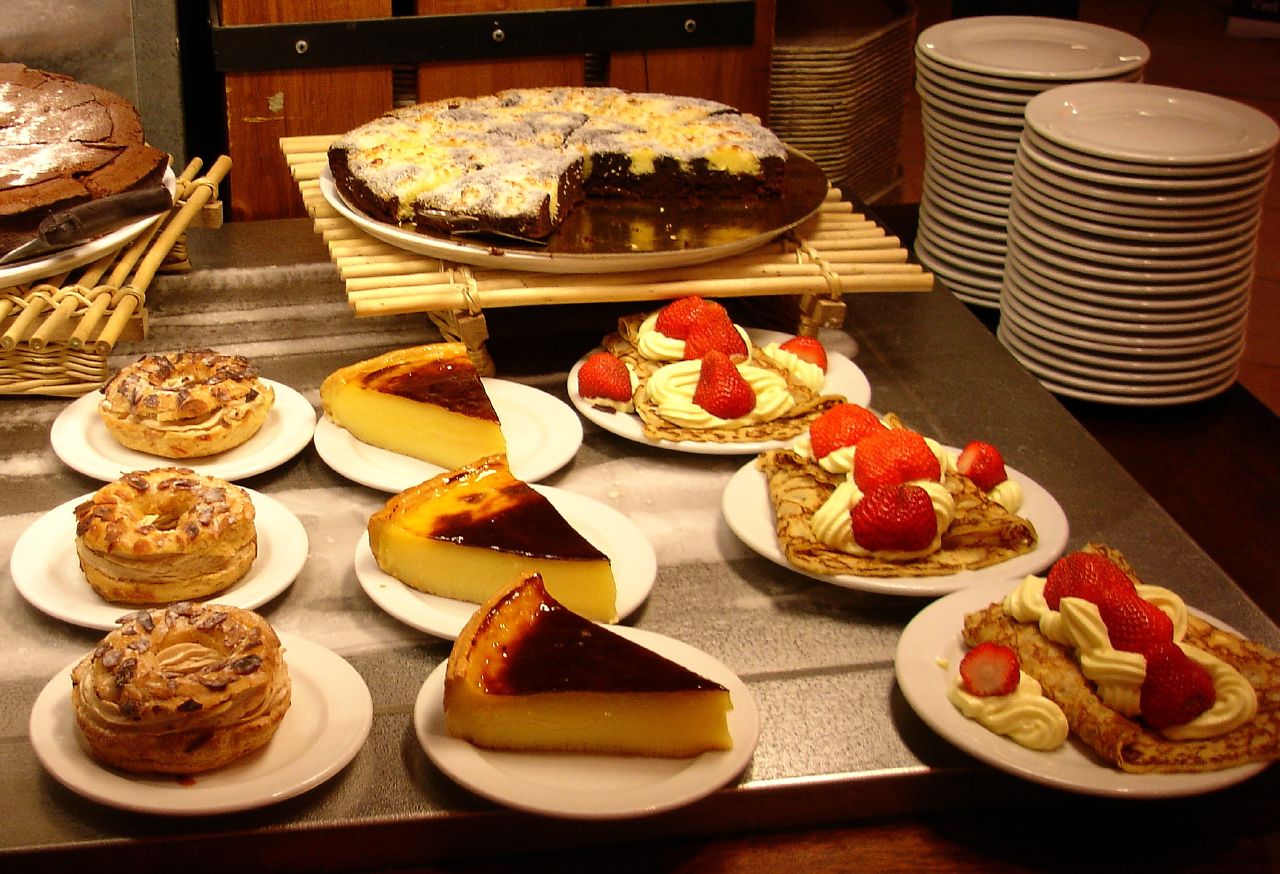
French pastry represents a pinnacle of culinary artistry, characterized by its delicate textures, rich flavors, and meticulous presentation. These creations, from the airy croissant to the intricate mille-feuille, are built upon foundational techniques like lamination, choux pastry, and delicate custards, often demanding hours of precise labor. Originating from centuries of French culinary evolution, French patisserie has become a global benchmark, influencing dessert making worldwide. The industry is a significant economic force, with renowned pâtissiers like Pierre Hermé and Cédric Grolet achieving international fame, driving innovation in both classic and contemporary designs. Despite its esteemed status, debates persist regarding authenticity, accessibility, and the environmental impact of its resource-intensive production.
🎵 Origins & History
The lineage of French pastry is a rich tapestry woven from diverse threads, stretching back to medieval times with simple sweetened breads and tarts. The École de Boulangerie et de Pâtisserie de Paris, founded in 1875, further codified these techniques, ensuring their transmission and evolution through generations of skilled artisans.
⚙️ How It Works
At its core, French pastry is a masterclass in precision and technique, relying on a few fundamental building blocks. Lamination, the process of repeatedly folding butter into dough to create dozens or even hundreds of paper-thin layers, is central to viennoiseries like the croissant and pain au chocolat, yielding their signature flaky, airy texture. Choux pastry, a simple mixture of butter, water, flour, and eggs, puffs dramatically when baked, forming the shells for éclairs, profiteroles, and religieuses. Rich, creamy fillings are often derived from custards like crème pâtissière (pastry cream), stabilized with eggs and thickened with starch, or from ganaches and mousses. The meticulous assembly and finishing, often involving delicate glazes, intricate piping, and precisely placed garnishes, elevate these creations from mere baked goods to edible works of art, a testament to the rigorous training at institutions like Le Cordon Bleu.
📊 Key Facts & Numbers
The global French pastry market is substantial. The average French person consumes roughly 12 kilograms of pastry per year, a figure that has remained remarkably stable over the past decade. A single, complex entremet, like those crafted by Pierre Hermé, can involve over 15 distinct ingredients and require more than 24 hours of preparation time before it reaches the display case.
👥 Key People & Organizations
The pantheon of French pastry is populated by legendary figures and esteemed institutions. In contemporary times, Pierre Hermé is celebrated for his innovative flavor pairings and his "haute pâtisserie" approach, while Cédric Grolet has gained global fame for his hyper-realistic fruit-shaped pastries and massive social media following, boasting over 10 million Instagram followers. Educational powerhouses like Le Cordon Bleu, with campuses worldwide, and Ferrandi Paris continue to train the next generation of master pâtissiers, ensuring the legacy of French pastry endures.
🌍 Cultural Impact & Influence
French pastry's influence extends far beyond the borders of France, shaping dessert culture on a global scale. The iconic croissant has become a breakfast staple in countless countries, often adapted with local flavors. Techniques like puff pastry and choux pastry are now fundamental to baking curricula in culinary schools from New York to Tokyo. The very concept of the "pâtissier" as an artisanal specialist, distinct from a baker, is largely a French import. Furthermore, the aesthetic of French pastry—its emphasis on visual appeal, precise decoration, and elegant presentation—has permeated the broader food industry, influencing everything from cake decorating to plating in fine dining restaurants. The rise of social media platforms like Instagram has amplified this visual influence, with pâtissiers becoming influencers in their own right, showcasing their creations to millions worldwide.
⚡ Current State & Latest Developments
The current landscape of French pastry is marked by a dynamic interplay between tradition and innovation. While classic viennoiseries and entremets remain popular, there's a significant trend towards lighter, healthier options, incorporating less sugar and butter, and utilizing more plant-based ingredients. Chefs are experimenting with novel flavor combinations, drawing inspiration from global cuisines and incorporating unexpected elements like herbs, spices, and even savory notes. The rise of "Instagrammable" pastries, characterized by striking visual design and often viral appeal, continues to drive trends, with chefs like Cédric Grolet leading the charge. Simultaneously, there's a renewed appreciation for hyper-local sourcing and artisanal production, with many smaller pâtisseries emphasizing traditional methods and high-quality, seasonal ingredients, often achieving a high Vibe Score of 85.
🤔 Controversies & Debates
Despite its revered status, French pastry is not without its controversies. The intense labor required for traditional methods raises questions about fair wages and working conditions for pâtissiers, particularly in high-volume establishments. The environmental impact of butter production, a key ingredient, is also a growing concern, prompting some to explore more sustainable alternatives. Furthermore, the globalization of French pastry has led to debates about authenticity; how much can a pastry be adapted before it loses its "Frenchness"? The high cost of artisanal pastries, often exceeding $10 per item, also sparks discussions about accessibility and whether these culinary creations are becoming the exclusive domain of the affluent, contributing to a controversy score of 65.
🔮 Future Outlook & Predictions
The future of French pastry appears to be one of continued evolution, balancing its rich heritage with contemporary demands. Expect further integration of plant-based ingredients and a greater emphasis on health-conscious options, potentially leading to the development of entirely new pastry categories. Flavor profiles will likely become even more adventurous, with chefs pushing boundaries and incorporating global influences more seamlessly. The role of technology, from advanced baking equipment to AI-driven recipe development, may also play a larger part, though the artisanal touch will undoubtedly remain paramount. We might see a rise in "virtual pâtisseries" or subscription models, offering bespoke pastry experiences delivered directly to consumers, further blurring the lines between physical and digital culinary arts. The global reach will undoubtedly expand, with French techniques becoming even more deeply embedded in diverse culinary traditions.
💡 Practical Applications
French pastry techniques are not confined to dedicated pâtisseries; they are widely applied across the culinary world. High-end restaurants globally feature French-inspired desserts on their menus, often as a signature element of their dining experience. Home bakers frequently utilize French pastry recipes, from simple madeleines to more complex tarts. The principles of lamination and choux pastry are taught in culinary schools worldwide, forming the bedrock of pastry education. Furthermore, the aesthetic principles—precise decoration, elegant plating, and attention to detail—influence presentation in cafes, bakeries, and even home kitchens, demonstrating the pervasive practical application of these techniques. Even fast-casual chains are incor
Key Facts
- Category
- aesthetics
- Type
- topic